World Cup sportsbook guide: How are Europe’s bookies approaching betting’s biggest event?
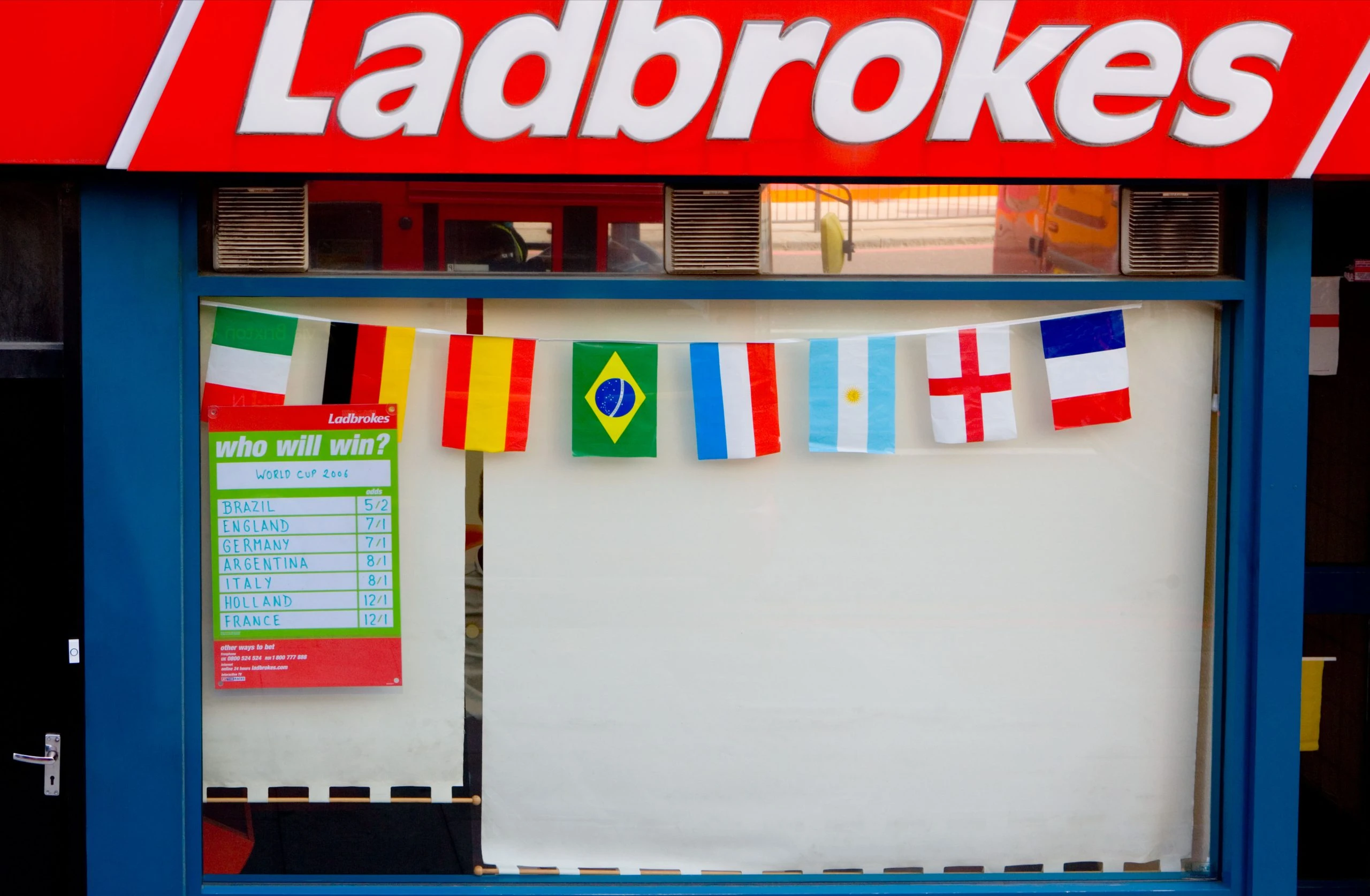
With global wagers projected to reach up to $50 billion according to a recent Macquarie report, the 2026 World Cup is a pivotal event for sports betting markets globally. But in Europe, the most established region for World Cup sportsbooks, what are the major players doing to capitalise? We’ve profiled 10 of the most prominent European sports betting brands as the tournament gets underway, and added expert insight through interviews with challenger brands DAZN Bet and DBET, plus leading sportsbook provider SOFTSWISS.
Bet365
Year founded: 2000
Parent company: Bet365 Group Ltd (privately held)
Primary markets: UK, Italy, Spain, Germany, Netherlands, Australia, and 20+ countries globally
World Cup marketing approach: Bet365 is running a “Matchday Reveal” promotion throughout the tournament, giving eligible customers a new offer to reveal each day. The promotion features a total prize pool of £600,000 in free bets, distributed across six prize draw qualification periods (£100,000 per draw). New customers can sign up using a bonus code to bet £10 and receive £30 in free bets.
Brand ambassadors: No confirmed World Cup-specific ambassadors.
Key product differentiators: Bet365’s in-play betting offering is strong, with live streaming available on a wide range of World Cup matches for eligible customers.
Paddy Power
Year founded: 1988
Parent company: Flutter Entertainment plc
Primary markets: UK, Ireland, Italy, Spain
World Cup marketing approach: Paddy Power and BBH London launched a campaign called “Nobody Does Football Better Than US” in May 2026. The campaign pits Rob Lowe as the face of American sporting culture against Danny Dyer as the voice of English football. The 60-second hero ad plays on cultural differences between American spectacle and English football fandom. The campaign runs across TV, digital, social and OOH, with 30-second edits running through to the World Cup final on 19 July. A special-build OOH went live in Hackney, London on 11 June.
Brand ambassadors: Actor Danny Dyer has been working with Paddy Power since 2024 and is the campaign’s lead. Former England player Peter Crouch and former Republic of Ireland manager Mick McCarthy also feature.
Key product differentiators: Paddy Power is offering England at 50/1 to qualify from their group as a new customer offer, alongside money-back specials, accumulator boosts and free bet clubs throughout the tournament.
“All the fanatics from different nations are waiting for this. It’s not similar to any other events”
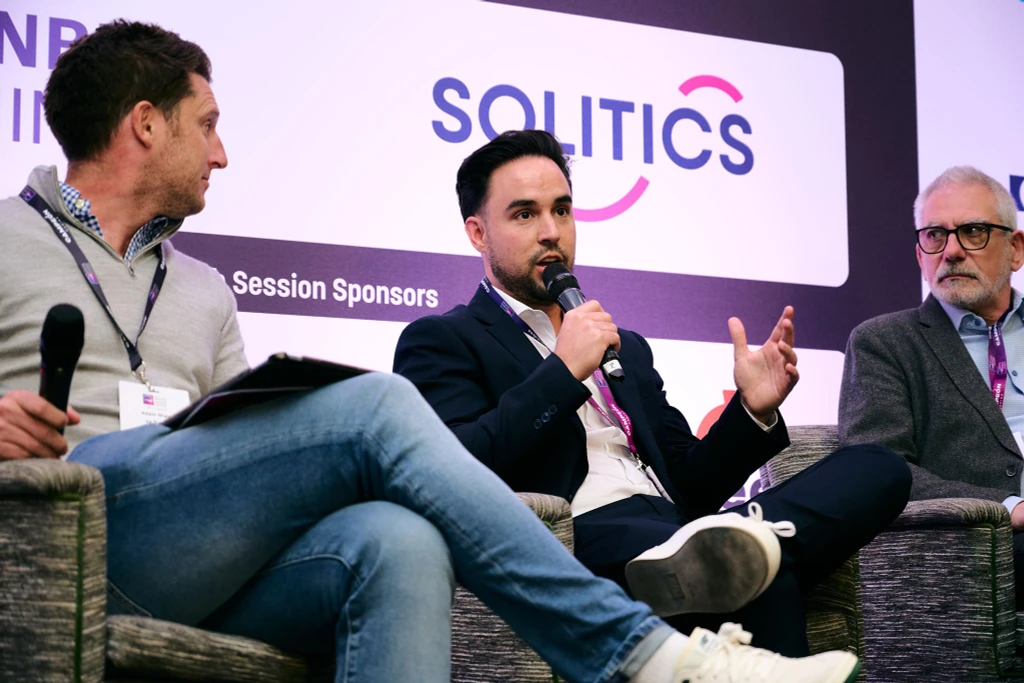
DAZN Bet’s managing director for Spain, Alejandro Diaz Contreras, sat down with iGB at the Gaming Leaders’ Summit in London to discuss the challenger brand’s World Cup plans. He explains how they are looking to take advantage of their relationship with the DAZN streaming service – which holds the rights to World Cup broadcasting in Spain.
How are DAZN Bet going about marketing for the World Cup?
It’s an ambitious project. We don’t have this content in all territories. But in Spain we’ll focus on the DAZN streaming. We’ll have some content there showing bet deals, the welcome offer, and the ‘two-way’. That is when users pay for a DAZN subscription and cross onto the DAZN Bet platform as well.
On top of that, we will have some agreements with streamers and tipsters. We will also use PPC, and some CRM strategy. It’s a good opportunity for us, because when the rest of the operators take a break, we have this exclusive content, so we must dominate this.
Are you launching any new products, features or promotions for the tournament?
Yes, we will have some exclusive games with some casino providers, and we have also launched esports betting at the start of this month. So we’re ready for the World Cup!
What would a successful World Cup look like for DAZN Bet? Have you got a target?
The target is just to smash it. We have an ambitious forecast for the whole year, of course. But we need to enjoy this opportunity and do better numbers, in terms of acquisition.
Do you think the time difference will be a challenge for European bettors?
We are focusing on Spain, and I guess that Spanish users will watch Spain. The match versus Uruguay starts at 2am in the night, okay? If I’m Spanish, I’m a fanatic of the Spanish national team as well, I will see it! It doesn’t matter if the next day I will work or not, because I’m a fanatic and I will see it.
Probably it’s true that some of the matches will be affected, though. Maybe if it’s Uzbekistan versus DR Congo at 2am, maybe I will miss this. Of course, we would prefer that the matches were in European time zones but this is what will be.
In-play betting will be affected. Football is the number one sport in Spain, and live betting is around 50% of the overall Spanish market. So we’ll be a little affected, but we trust that most of the users will still be betting, because the World Cup is only one time each four years.
We see this behaviour also with NBA. Games are all times of day for European bettors, but the players are still betting live.
Advertising restrictions are quite tight in Spain. How are you able to make an impact?
Here we have good news. Advertising restrictions apply to every single thing that you do – it doesn’t matter if it’s affiliates or PPC. We are following these rules, but the good thing here is that, with the new rule that you can only advertise gambling products on TV between 1am and 5am due to the Spanish regulations, we can use this during some live matches.
For the tipsters that we will send to the World Cup, we will pay them for content and they can stream it during these hours.
Will you be looking more for new player acquisition during the World Cup, or improving the engagement from your existing players?
Both. The acquisition part is key, we hope to succeed during the World Cup because we have exclusive content, with the coverage on DAZN. So we need to do that, but we cannot lose the direct registration, or the ARPU by player. It’s how you make the revenue in the first month so you don’t pay more in terms of acquisition.
DAZN Bet first launched in April 2022, and this is the second World Cup since. Have you taken any learnings from Qatar 2022 into this one?
The previous World Cup we were new, we were practically a start-up. I wasn’t in the company then but I imagine we are totally different. Our product before was completely different. Now we are more ready. We have all the pieces that the player wants. We have all the content the player wants in terms of casino and DAZN streaming. We are more than ready to give the users the best experience that they deserve.
What are you expecting to see from the wider sports betting industry with this World Cup?
We have immense brands in Spain that we are up against. Bet365 and Winamax, who are doing really well in the last few years, will be the kings. We cannot compete with them just at the moment, but I hope that during this period, and with the exclusivity and the traffic that we will have from DAZN, we can have some good acquisition and active players.
How does the World Cup compare to other major sporting events when it comes to betting?
It’s not similar to any other events. The World Cup, it’s only once in four years. It’s not similar to the Euros, it’s much bigger. It’s not the same as the Spanish League or the Champions League or anything like that.
All the fanatics from the different nations, they are waiting for just this. Me, as a Spaniard, we are supposed to be tournament favourites, but all the Spanish are waiting. The English, the Argentinians are the same! It’s only once in four years.
Alejandro Diaz Contreras was speaking to iGB at the Gaming Leaders’ Summit.
Betfair
Year founded: 2000
Parent company: Flutter Entertainment plc
Primary markets: UK, Ireland, Italy, Spain, Germany, Malta
World Cup marketing approach: Betfair’s World Cup campaign, created by Pablo London, takes punters on a nostalgic tour of football’s most heated disagreements — dodgy VAR decisions, Maradona’s Hand of God, pub debates — positioning Betfair as “the home of opinions”. Comedian Tom Davis is the lead talent. Betfair Marketing Director Lisa Marquis described it as “a new era” for the brand, saying it “harks back to our roots as a challenger brand.” The campaign is live across TV, digital, and social.
Brand ambassadors: Tom Davis, comedian and actor.
Key product differentiators: Betfair expanded its Exchange market offering for the World Cup to 54 outright markets (up from 42 in 2022), including enhanced England-specific markets, stage of elimination, and regional options. Passive bet delays have been extended to 100% coverage across World Cup fixtures. New customers can claim a bet £10, get £30 in free bets offer. A separate offer gives a £10 free bet for wagering £10 on the Exchange. For existing customers there are ‘daily super boosts’ on World Cup matches, and the #OddsOnThat feature allows customers to combine their own markets and request a price.
Ladbrokes
Year founded: 1886
Parent company: Entain plc
Primary markets: UK, Ireland (also operates in Belgium and other European markets via Entain group brands)
World Cup marketing approach: Ladbrokes is activating primarily through promotional mechanics rather than a high-profile above-the-line push. Entain published its “Patriotic Punter Index” ahead of the tournament, showing Portugal is the most patriotic betting market. This was a piece of data-led PR designed to drive coverage across Ladbrokes and Coral.
Brand ambassadors: No World Cup-specific ambassadors.
Key product differentiators: Ladbrokes’ headline new customer offer is Harry Kane to score at the tournament at boosted odds of 66/1, with winnings returned as cash and up to 13 x £5 free bets also in the package. An alternative welcome offer is ‘Bet £10 Get £50 in Free Bets’. Throughout the tournament, Ladbrokes is enhancing odds daily on match winners, goalscorers, and tournament specials, plus Bet Builder percentage boosts on selected matches. Ladbrokes and Coral are the brands most likely to keep accumulator-focused promotions front and centre throughout the tournament, with regular acca insurance and money-back specials.
Bwin
Year founded: 1997
Parent company: Entain plc
Primary markets: Germany, Austria, Spain, Italy, France, Belgium, and multiple other European regulated markets
World Cup marketing approach: No confirmed standalone bwin World Cup campaign identified at time of writing. As Entain’s primary continental European sportsbook brand, bwin is activating through localised market-by-market promotions – standard practice for Entain’s non-UK brands. No major above-the-line campaign has been publicly announced.
Brand ambassadors: No confirmed World Cup-specific ambassadors.
Key product differentiators: Bwin’s core strength is its depth of coverage across continental European regulated markets, particularly in German-speaking territories and Southern Europe. It offers live betting, virtual sports, and casino alongside its sportsbook.
“In a perfect world, 40% increase in betting revenues and Sweden win the World Cup!”
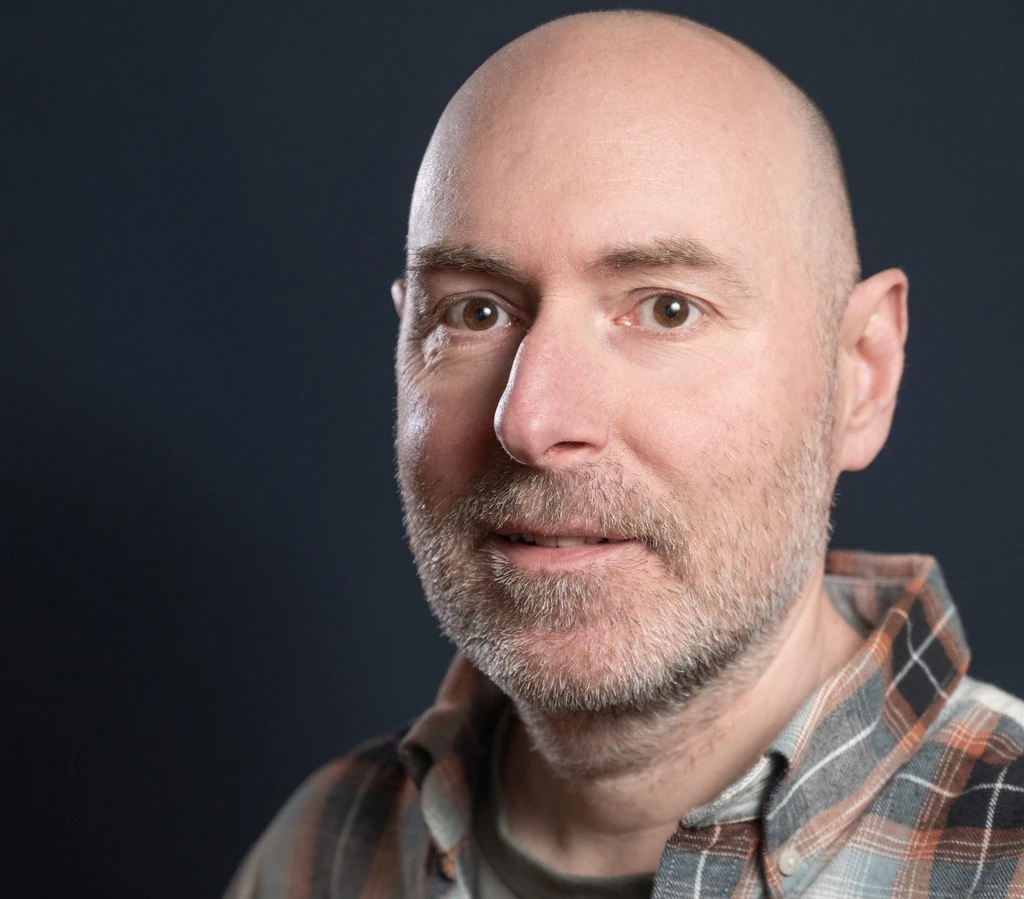
Marcus Adler, Nordics Director of DBET, a challenger brand based in Sweden that is part of Immense Group, caught up with iGB ahead of the World Cup. Having only launched in August 2024, and with Adler joining earlier this year, it’s an exciting time for the Scandinavian sportsbook.
How is DBET approaching its marketing for the World Cup and does that look different in the Nordics at all?
We’re almost 200% focusing on creating content. We have a YouTube podcast with Jonas Dahlquist, one of the most famous football reporters in Sweden. Normally it’s a weekly podcast with Anders Svensson, the most-capped Swedish player ever, called ‘All In Football’. Leading into and during the World Cup, they’re doing two or three episodes a week. We’re going to follow mainly the Swedish team, but also the whole World Cup, so that’s going to make a major impact for us.
Instead of competing with other betting brands buying TV commercials, we’re creating our own content. Since we have super credible personalities in football, I think that’s going to make a huge difference.
You have a product called Supertipset which I believe could suit the bigger 48-team tournament. Tell us about that.
Yes, in Sweden, we have Supertipset, which is syndicate pool betting. We have that every week, we call it Super 13 – it’s a 13-game bet. Now we’re going to have a lot of that during the World Cup. So, that’s a huge difference for us compared to most other betting companies out there. It suits the expanded tournament format brilliantly.
Sweden has such a long tradition of pool betting and betting on 13 games. It’s well-suited for the market, and the DBET brand, so it’s a perfect fit. It’s also something for our podcast as Anders and Jonas can speak about those games, include them in the conversations and make it easier to understand content and promote our product. I would say it’s a brilliant hit.
What would a successful World Cup look like for DBET?
We are looking at a 40% increase in revenues compared to the normal month.
It would also be super successful if Sweden go as far as possible. They probably won’t, but the longer they stay in, the better. In a perfect world, 40% increase in betting revenues and Sweden win the World Cup!
Sweden are back after missing the last World Cup. How significant is that for betting appetite in your primary market and how are you capitalising on it?
Well, I think that’s a major impact on everything we do. It makes a huge difference. I think with Sweden in it, we’re most likely going to double our income because the interest in the World Cup is completely different whether you’re in it or not.
The Swedish market is pretty tightly regulated. How does that shape what you can and can’t do from a marketing and promotion standpoint during a major event like this?
For us, as we’re creating content that speaks about the football and the World Cup rather than us as a betting company, it doesn’t make a huge difference. In everything we do we follow the regulations no matter what. We’re doing it here, too, and since our focus is clear on the content, it’s just business as usual. It’s been regulated for many years now, so it’s normal day-to-day business.
Will you be looking more at new player acquisition during the World Cup or is improving engagement from existing bettors a priority?
No, both. We are expecting a high increase in new players, but we’re also expecting our existing players to log in a lot. I think the average bet amount for players, is probably lower than normal, but they’re more active. Lower cost bets, but more bets. At least that’s how me and many others bet on an event like the World Cup.
Do you think the time difference from Europe could dampen the betting volumes compared to a more favourably scheduled tournament?
Yeah, probably. We just have to wait and see how that impacts. If the World Cup was in a European time zone, that would make everything easier for everybody. I think that’s going to impact it a bit but it’s hard to forecast in what way. But yeah, it’s not perfect when Sweden plays at 4am.
DBET launched in August 2024, so this is the brand’s first World Cup. Does that shape how you’re approaching it? Is it more about making a statement than optimising revenue?
This is a golden opportunity for us to work on our brand awareness which we, of course, need to do since we have just been around for a couple of years. But that’s an opportunity, not a problem. It’s perfect for us that we have a World Cup coming up and we have such a perfect set-up with Anders and Jonas and a super good brand, super good site and super good personalities that we can work with. For us it’s just perfect timing and a good opportunity. I couldn’t ask for more than the World Cup!
How does the World Cup compare to other major events in terms of betting behaviour in Nordic countries?
The World Cup is the holy grail, of course, but then we are like any other European market. The Euros are also super big, but perhaps in Sweden, the Rugby World Cup is not as big as in other countries, but we are very similar to the rest of Europe and it’s a huge event.
What are you expecting from the wider sports betting industry around this tournament? Are there any industry trends you’re watching out for?
Overall, what I’ve seen so far in Sweden, as such a mature market – everything starts to look pretty nice. Compared to 10, 15 years ago when we were unregulated, you were just bombarded with poor marketing. Nowadays, what I’ve seen so far leading into the World Cup, betting companies seem to have a pretty good understanding of what they’re doing. They have a pretty good understanding of legislation.
Everything looks like it’s good competition out there, I’ve seen some stuff that’s really good. Sweden is a mature market and you need to do pretty good marketing nowadays. In-your-face screaming marketing just doesn’t work like our industry did in the past. Overall it’s a feather in the cap for the industry that we’re doing things pretty well nowadays.
Unibet
Year founded: 1997
Parent company: Kindred Group (acquired by FDJ — La Française des Jeux — in 2024)
Primary markets: UK, Sweden, Belgium, Netherlands, Denmark, Germany, France, Romania and multiple other regulated European markets
World Cup marketing approach: No confirmed standalone TV campaign identified. Unibet is offering regional sign-up bonuses, money-back offers, free bet rewards and odds boosters, with exact promotions varying by market. This World Cup is the first major tournament since Kindred’s acquisition by FDJ, making it a significant test of the group’s European ambitions following a sluggish start to 2026.
Brand ambassadors: No confirmed World Cup-specific ambassadors.
Key product differentiators: Unibet highlights its “Action Betting” feature — ultra-fast bets settled in under 60 seconds — alongside Cash Out functionality and an extensive in-play market offering as its key tournament differentiators.
William Hill
Year founded: 1934
Parent company: Evoke plc (formerly 888 Holdings)
Primary markets: UK, Italy, Spain, Denmark and Romania.
World Cup marketing approach: William Hill’s headline World Cup activation is “Final One Standing: WC26 Edition” – a free-to-play survival game where players pick a nation to win each round; if the team loses or draws, they are eliminated. The game covers 12 pre-defined rounds from the Group Stages through to the Final, with a £250,000 prize pot. The supporting campaign launched with a 60-second film depicting fans being hit by footballs fired from cannons, running across TV, VOD, social, digital, press, OOH/DOOH, podcasts and radio.
Brand ambassadors: No headline celebrity ambassador confirmed for the World Cup campaign. The Final One Standing campaign centres on the game mechanic rather than a talent-led approach.
Key product differentiators: Final One Standing is William Hill’s primary engagement mechanic for the tournament — a free-to-play format designed to drive sustained engagement across all 12 rounds rather than relying solely on single-match promotions. New customers can claim ‘Bet £10 Get £30’ in free bets; existing customers have access to Epic Boosts and the Bonus Boost Drop on selected matches.
Betclic
Year founded: 2005
Parent company: Betclic Everest Group (privately held)
Primary markets: France, Poland, Portugal, Italy, Senegal
World Cup marketing approach: Betclic’s primary French activation centres on a collective image rights package acquired from the French Football Federation (FFF) in 2023, giving it the right to use images of French national team players. Ahead of the tournament, Betclic published a World Cup promotion featuring Kylian Mbappé, Rayan Cherki, Désiré Doué, Michael Olise, and Ousmane Dembélé – triggering a dispute with players who claimed they were not informed their images would be used by a bookmaker.
Betclic’s use of the images remains within the rules, as they were part of a World Cup promotion rather than a public advertising campaign. In Portugal, Betclic became the official partner of the Portuguese Football Federation and launched a campaign called “Lucky Us, Portugal Fans,” shot entirely across the Azores, created by Dentsu Creative Portugal.
Brand ambassadors: Ricardinho, the six-time world futsal player of the year, is a Betclic ambassador for the Portuguese market. In France, the FFF image rights deal gives Betclic access to the entire Les Bleus squad, though as mentioned above, this has proven controversial.
Key product differentiators: Betclic’s official federation partnership strategy — holding rights deals with both the French and Portuguese FAs — is its primary differentiator, giving it exclusive access to national team imagery in its two biggest markets.
“The operators who will look back on the World Cup positively are the ones who prepared a proper operational model before it started”
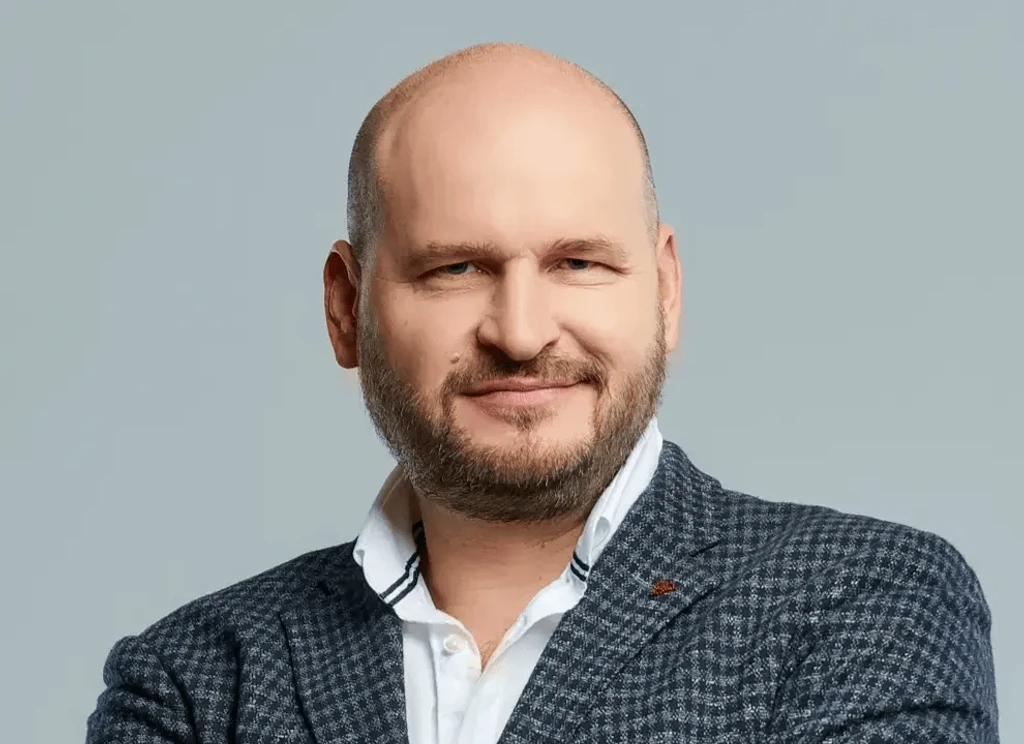
Alexander Kamentskyi, head of sportsbook at SOFTSWISS, shared his view on the European sports betting landscape ahead of World Cup 2026.
The 2022 World Cup was held at an odd time for European operators, in the middle of winter. 2026 is a summer tournament, but played in North American time zones, which could cause issues with matches staged throughout the European night. How much does the timing matter commercially?
Timing matters a lot, but I wouldn’t frame it as simply good or bad. It depends on where the operator sits and who their players are.
For European operators, late kick-offs create a real challenge. Fans can handle one or two late nights, but a month of them takes its toll. So some matches will draw smaller live audiences, even if the tournament itself stays commercially strong.
The more important question is how that impacts betting behaviour. When players can’t watch live, activity moves from in-play to pre-match. That changes live bet volumes, cashout usage, in-play engagement, and how well live promotions actually land. But it can also lift pre-match turnover and accumulator volumes, because the World Cup naturally lends itself to multi-match betslips, even for casual players.
From a commercial standpoint, operators need to prepare both parts of the product. A strong pre-match offering – with good markets, clean betslips, bet builders, boosted odds and CRM campaigns timed to kick-off – matters just as much as live coverage.
There’s a lot of talk about player acquisition around major tournaments, but many will tell you that World Cup bettors are poor long-term customers – casual fans who churn fast. Do you think that reputation is fair, and what does it tell us about how European sportsbooks should be approaching this?
I would say such a vision is too generalised. What you actually get during a World Cup is not one group of bad long-term customers, it is a wave of different player segments arriving at the same time.
Some are regular sports bettors. Others come from casino, from social gaming, or from simply watching a match at a bar and wanting a bit of skin in the game. For them, the World Cup is a social event as much as a betting one.
Will some of them leave after the tournament? Yes. And that’s normal. But can the operator tell the difference between who is likely to stay and who is not? The ones who came from casino might stay if the sports onboarding is good. The occasional bettor who placed three accumulators might become a regular if the CRM communication after the tournament points them towards the next football event on the calendar.
I wouldn’t call World Cup bettors poor long-term customers. I’d say they are a mixed audience. Operators who segment and convert them properly will tell a very different story in December than those who just measured registrations in July.
You’ve built features like the Sportsbook Network Jackpot specifically to import casino-style engagement mechanics into sports betting. Does a World Cup accelerate that kind of product thinking, or does it just reward operators who already have the basics right?
Both, and they are connected. The World Cup attracts a broader audience – regular bettors, casino players, casual fans. Casino-style mechanics work well for that mix. They make the sportsbook more engaging and more emotionally accessible. That is not about turning sports betting into a casino. It is about using proven engagement tools and adapting them to the sports context.
The numbers back this up. In our Network Jackpot campaigns, participating brands saw bets per player rise by 50%, ARPU increase by more than 51%, and ATPU nearly double. One of the top-tier participating brands recorded ARPU growth of over 155%.
But those mechanics only work if the foundation is solid. Weak UX, a slow betslip, payment problems, poor line depth, unstable platform – no jackpot fixes those. During a major tournament, they just become more visible.
The right model works on two levels. First, a strong sportsbook foundation: stable platform, good pre-match and live coverage, fast betslip, capable risk management, segmentation and CRM. Second, engagement mechanics on top: jackpots, missions, free bets, and tournaments.
European sportsbooks are operating in an increasingly fragmented regulatory environment. Does the World Cup expose that fragmentation as a commercial handicap, or do operators manage around it more than the debate suggests?
Yes, fragmentation is a real commercial challenge. But the handicap is wider than just bonus restrictions. During a major tournament, speed of execution becomes critical. Operators need to launch campaigns quickly, adapt communication match by match, adjust promotion mechanics, and stay fully compliant. In Europe, that is harder than it sounds. Germany, Sweden, Spain, and other markets each apply different rules on bonuses, advertising and responsible gambling. Managing all of that at tournament pace is a genuine operational challenge. It’s much harder than operating under a single rulebook.
The bonus restrictions, specifically, create an uneven playing field. A grey-market competitor can move faster and more aggressively. During a tournament when acquisition windows are short, that gap matters.
Mature operators can absorb regulation complexity, not by pushing against the rules, but by building a stronger operational model. Better player segmentation, personalised CRM and fast internal processes can compensate for a lot. The operators who treat compliance as an operational discipline rather than a constraint tend to find creative room within it.
From the provider’s perspective, the platform has to offer operators more than one universal promotion tool. They need a system that can manage each market on its own terms: different bonus rules, different restrictions, different player segments and a transparent audit trail.
If you had to identify one thing that separates the European sportsbooks that will look back on this tournament as a genuine success from those that will say it underdelivered, what would it be?
If I had to pick one factor, it comes down to this: whether the operator treats the World Cup as a one-off acquisition campaign or as a full business operation.
The big mistake is thinking the tournament will deliver success on its own. The traffic will come. But that does not automatically translate into commercial results or long-term value.
The operators who will look back positively are the ones who prepared a proper operational model before it started. Marketing, CRM, trading, risk, payments, product, support, analytics, and compliance functioning as one co-ordinated team. Not each department running its own World Cup in parallel.
For me, that’s more of a cultural decision, rather than a product one. Some operators approach a major event by launching bigger bonuses. Others map out the full tournament. Which matches matter to which player segments, what the pre-match and live scenarios look like for each group, how CRM flows connect to the post-tournament retention plan, and whether the platform can handle the load.
Success here is not just turnover during the group stage. It is how many casual players stayed active in August, how well existing players were engaged throughout the World Cup, and whether the tournament truly contributed to the sportsbook as a business vertical.
The operators who planned for that outcome in advance will have it. The ones who are still reacting once the first matches kick off will probably say it underdelivered.
Coral
Year founded: 1926
Parent company: Entain plc
Primary markets: UK, Ireland
World Cup marketing approach: No confirmed standalone Coral TV campaign identified at time of writing. Like Ladbrokes, Coral is activating primarily through promotional mechanics. Both brands are covered by Entain’s group-level “Patriotic Punter Index” PR exercise.
Brand ambassadors: No confirmed World Cup-specific ambassadors.
Key product differentiators: Coral’s headline new customer offer is England at 66/1 to top their group, with an alternative of Bet £5 Get £30 in Free Bets. Coral is leaning into accumulator betting throughout the tournament, with regular acca insurance and money-back specials. Coral and Ladbrokes share the same Entain technology stack and often run mirrored promotions; their distinction is largely one of brand identity and customer base.
Betsson
Year founded: 1963 (as AB Restaurang Rouletter in Sweden; Betsson brand launched in 2000s)
Parent company: Betsson AB (listed on Nasdaq Stockholm)
Primary markets: Sweden, Norway, Finland, Germany, Netherlands, Belgium, Greece, plus a major and growing presence across Latin America (Brazil, Argentina, Colombia, Mexico and others)
World Cup marketing approach: Betsson’s global World Cup campaign is titled “The Betsson Football Festival”, positioning the tournament as a celebration that brings fans together regardless of whether their national team is participating. The campaign was built around a TV commercial filmed in Argentina and a new football anthem, generating 15 core video assets and more than 100 localised versions adapted for different markets. AI tools were used to modify creative elements including team jerseys, colours and cultural references. Betsson also launched “Pride of a Nation”, an in-depth football talk show series featuring its sponsored clubs — Inter Milan, Club Brugge, Atlético Nacional and Racing Club — leveraging their combined 18 million Instagram followers.
Brand ambassadors: Television presenter Zaira Nara (Argentina) leads the campaign alongside other regional stars across localised versions. Former Uruguay international Edinson Cavani has featured in a separate Betsson responsible gambling campaign.
Key product differentiators: “The Betsson Football Festival” includes localised free bets, cashback promotions and loyalty rewards running across its 25 markets. The operator is expanding its bet builder offering for the tournament and introducing ‘Upside Betting’, a new product designed to increase in-play engagement during matches. Betsson has also highlighted its investment in personalisation and payment speed as key differentiators, with commercial director Andrea Rossi noting that “the experience is no longer just about competitive odds; users are looking for speed, personalisation, and entertainment at every touchpoint”.
Article Partner
SOFTSWISS
SOFTSWISS is an iGaming technology provider offering a full ecosystem of online casino and sportsbook software solutions and services.