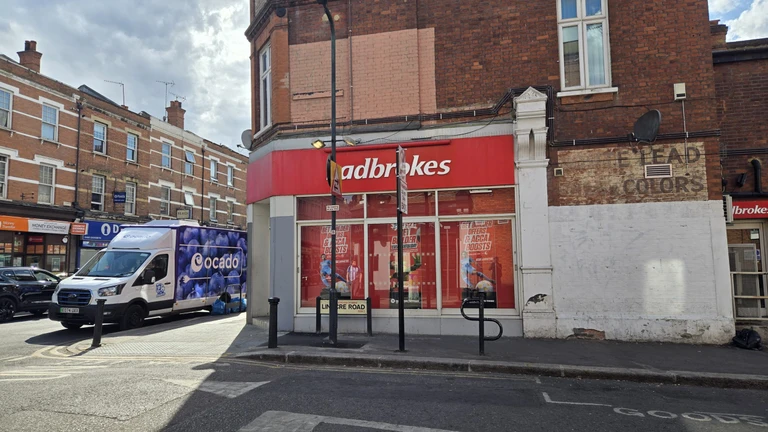
How to keep Africa’s gambling boom onshore
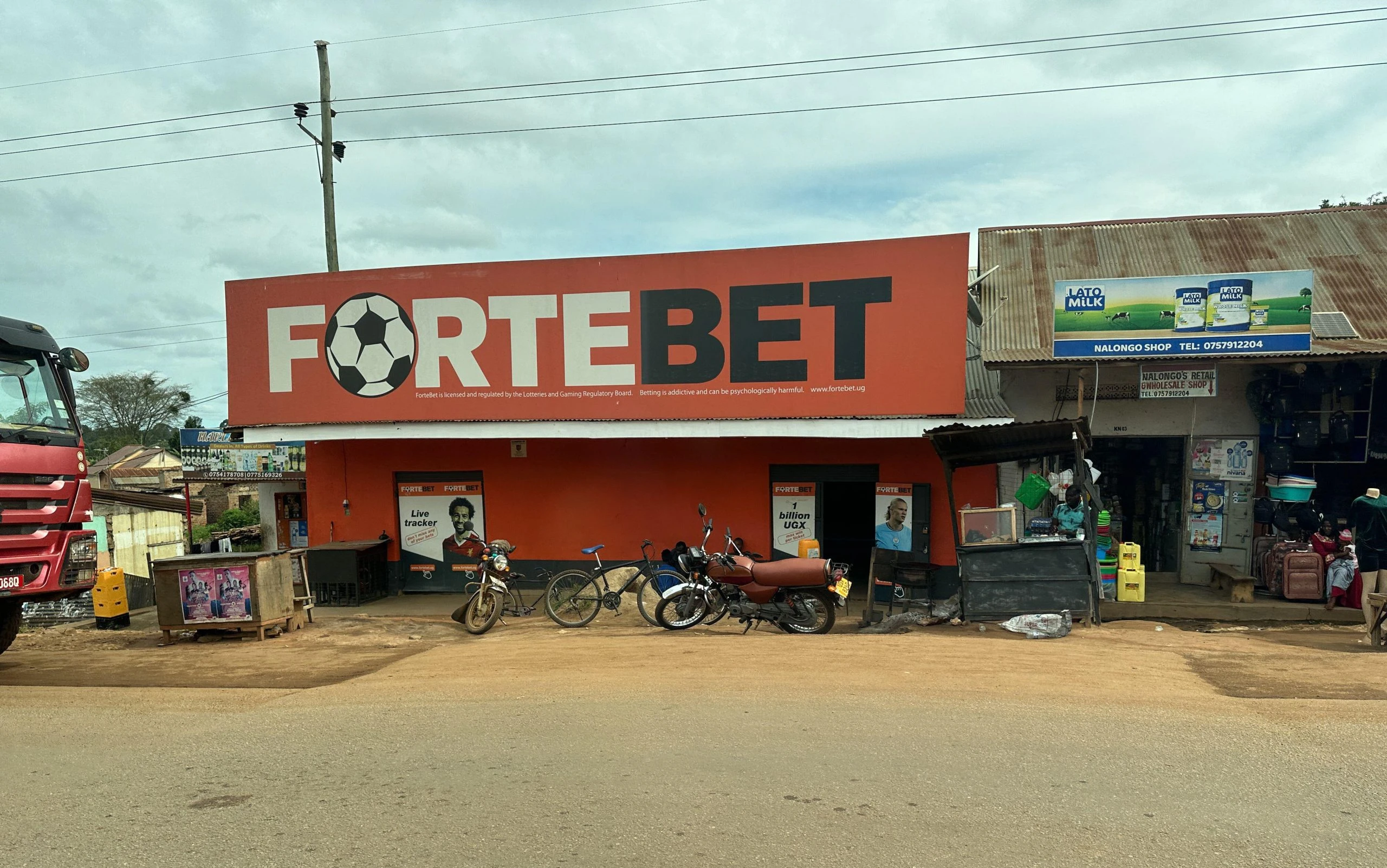
Africa today contains arguably some of the most untapped gaming growth potential in the world, and as the continent continues to trend towards regulation and codified licensing frameworks, few would argue there isn’t an exciting opportunity for growth in the region.
On the ground in Africa, across social media and mobile phones and betting kiosks, you can see the growth playing out, and figures from South Africa to Nigeria and beyond back it up; year-on-year growth is evident across both retail and online channels.
Business is starting to boom, and the boom will only get louder. What has not yet been decided, however, is how much of that boom will take place within the regulated portions of the African gambling industry.
The battle to keep mind share and market share within the regulated sector is nothing new and not a problem exclusive to Africa. The stakes, however, seem higher on the world’s poorest continent.
Onshore operations not only provide a source of much needed state revenue for African economies, but they also ensure customer protection and fair play, problems many African players grapple with daily.
South Africa an early template
South Africa in many ways wrote the book for what was to follow from regulators across the continent. The country remains the region’s leading market with a reported ZAR1.5 trillion ($89 billion) wagered during the financial year 2024-25.
According to Jon Russell, the former director of Betway Group, South Africa was the first to determine what gambling regulation in Africa looked like when it passed the National Gambling Act following the end of Apartheid in the late nineties.
“My years working with Betway from the launch of the product in South Africa through to its establishment as the market leading operator on the continent demonstrated what that model looks like at scale,” Russell tells iGB. “When I helped establish the first corporate spread betting operation on the African continent in 1997, the regulatory landscape was as fragmented as the continent itself.
“MultiChoice had the vision to run a sports betting operation from its Randburg office but the Gauteng regulator would not permit a corporate entity to hold a bookmaking licence. The solution was pragmatic. We acquired an established independent operator in the Western Cape and relocated the operation there.”
Russell says the Western Province has always been the most progressive regulator in South Africa, willing to accommodate corporate structures that other provinces reflexively blocked. This single regulatory distinction, a province prepared to think commercially about what regulated betting could look like, determined where the first serious corporate operation on the continent was built.
“This is a dynamic that has repeated itself across African markets ever since. Regulatory attitude, more than market size or consumer demand, determines where legitimate operators can build and where the informal market fills the vacuum.”
Regulation on paper vs reality
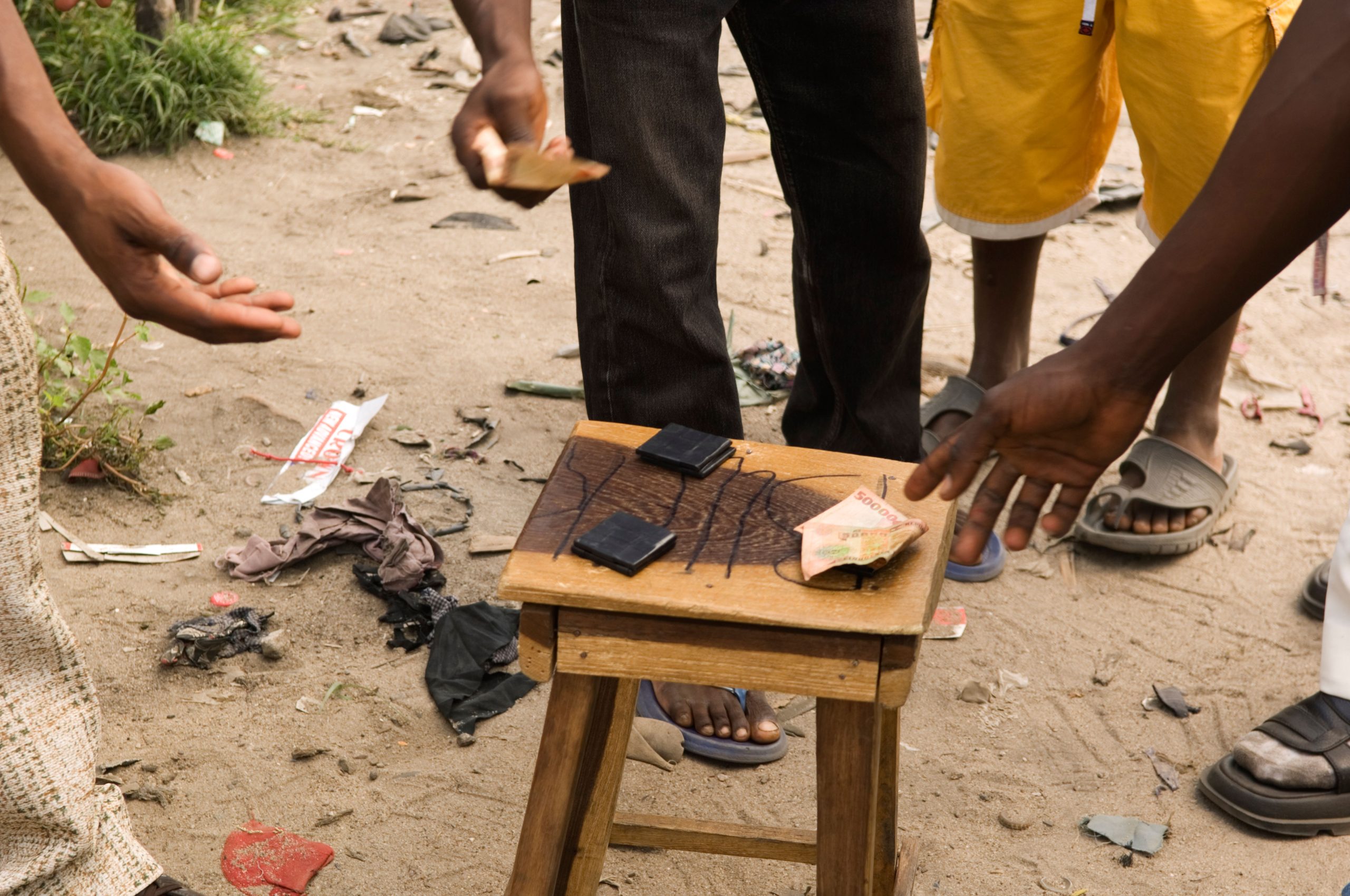
In some ways, Africa is much more progressive than other regions in the world in legislating for gambling. A surprisingly large proportion of Africa – an estimated 45 out of Africa’s 54 countries – have on paper legalised the activity, but the reality on the ground is often far more complicated.
A core challenge facing African markets is the discrepancy between what is on statute books and how those markets work in reality. One particularly notable example is DR Congo, where insiders recently told iGB that gambling regulation exists more on paper than in practice. A minister there recently estimated that iGaming operators had generated nearly $1.7 billion in annual revenue since legislation entered force, but that the government had reportedly only received about $1 million in taxes.
Depending on how one defines 'regulated', only a relatively small number of African jurisdictions currently have mature, actively enforced licensing systems
— Sean Coleman, CEO, South African Bookmakers' Association
Sean Coleman, CEO of the South African Bookmakers’ Association, believes a significant amount of gambling activity from African soil still largely occurs outside formal oversight.
“Depending on how one defines ‘regulated’, only a relatively small number of African jurisdictions currently have mature, actively enforced licensing systems with meaningful compliance oversight. Many countries either have outdated legislation, fragmented regulation, partial online regulation or enforcement frameworks that struggle to keep pace with technology.”
Coleman argues that there are probably fewer than 15 African jurisdictions that could currently be described as having reasonably functional modern gambling regulatory systems “in practical terms,” while a much larger number remain either partially regulated or effectively exposed to significant unlicensed activity.
Despite Africa still being relatively early in its overall regulatory journey, progress is accelerating swiftly. Russell compares the continent to where Europe was in the early 2000s, and in some respects where the United States was before the Murphy decision in 2018. “[Africa is] aware that the informal market needs structure, experimenting with different regulatory models and learning which approaches channel volume effectively and which simply redirect it underground.”
Product is important in trumping black market
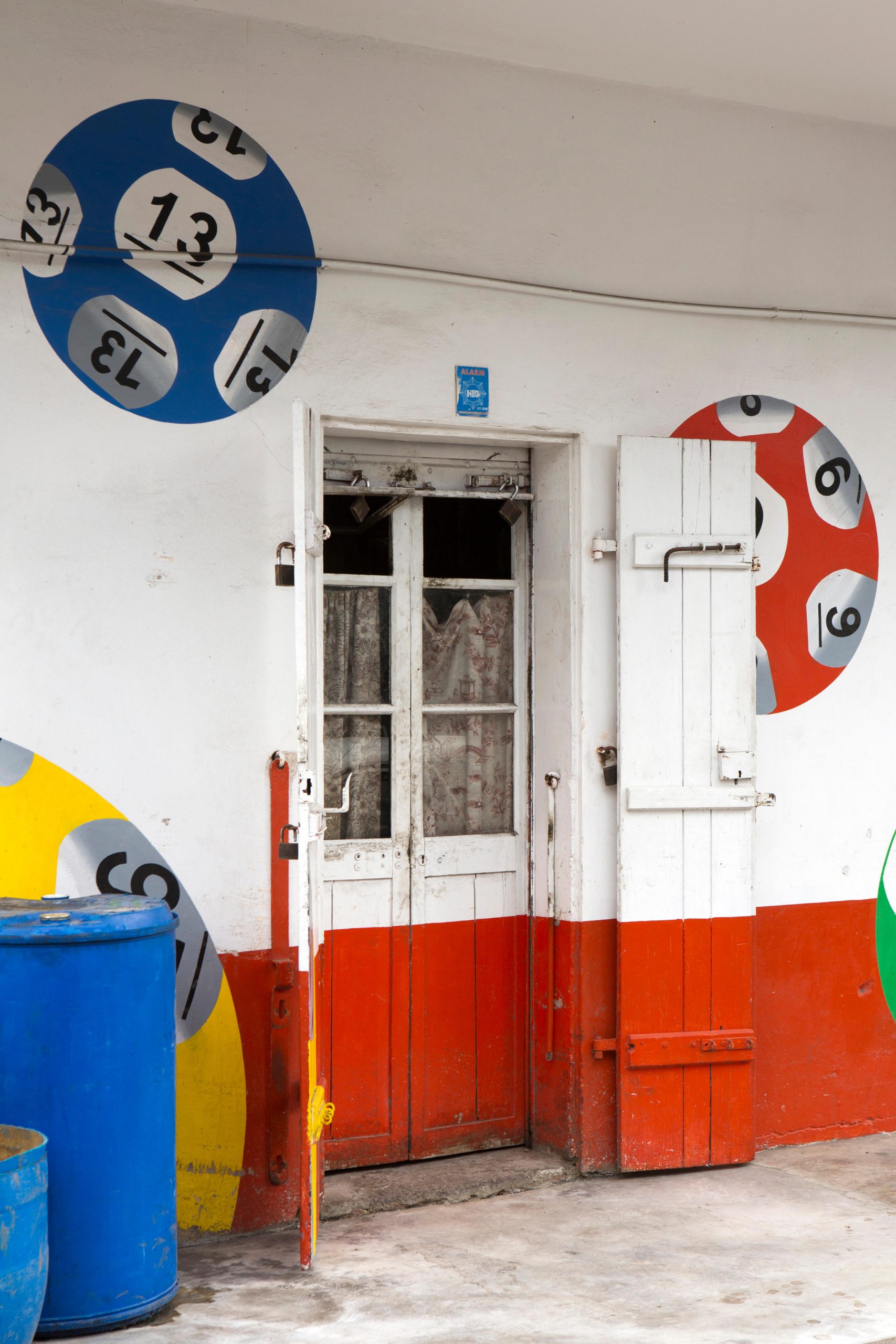
One of the key factors in keeping Africa’s gambling boom onshore is ensuring licensed options are appealing to players.
Whether or not regulated outfits can go toe to toe with the black market on user experience has a direct impact on channelisation, Russell stresses. “The black market threat in Africa centres on accessibility, payment rails, local language interfaces, cash handling, and product familiarity, rather than odds quality or price,” he explains.
“An informal local bookmaker offering the same accumulator with simpler cash mechanics is the genuine competition, and regulated operators need to meet that competition on its own terms.
“Effective channelisation therefore requires regulated operators to match the black market on accessibility while offering what the informal market cannot, namely security of funds, responsible gambling protections, and the integrity framework that protects the sports underpinning the product.”
According to Coleman, however, it is not always operators’ fault when their products fail to keep up with local expectations on user experience and usability. He argues that there is the need for gambling legislation crafted by governments to remain flexible enough to not burden licensed operators with highly stringent regulations, as overly prescriptive regimes can stifle innovation.
An informal local bookmaker offering the same accumulator with simpler cash mechanics is the genuine competition
— Jon Russell, former Betway director, founder of consultancy BetTrust Solutions
The difficulty in Africa, he adds, is that legislation was often originally drafted for land-based gaming, and the regulation is only slowly catching up with the reality on the ground of consumers gambling online, often through offshore sites, at scale.
“There is growing recognition across the continent that there is a need for regulatory balance as prohibition or over-restriction simply pushes consumers toward unlicensed offshore operators. Increasingly, regulators are beginning to focus on … creating regulated markets attractive enough that consumers choose licensed operators over illegal alternatives. In this regard product availability is key to creating the re-channelisation opportunity.”
Payments specifically are a sticking point. Both Jon and Coleman believe black market prevalence will not go away in Africa until the dynamics controlling it are more effectively tackled. Russel says payment infrastructure must be prioritised because the black market’s primary competitive advantage in most African markets is accessibility.
“Cash handling, mobile money integration, and local payment rails are where informal operators outcompete regulated ones,” Russel notes.
Coleman agrees, adding that payment systems remain a critical battleground. “If offshore operators can continue processing local payments easily, they will remain deeply embedded in African markets regardless of legal status.”

Make regulation easy, and tax simple
With Africa’s gambling revenue projected to scale up to $22 billion by 2029, per H2 Gambling Capital projections, the industry will continue to play a major role in the economy of most African countries. But messy regulation is undermining channelisation.
Research by H2 Gambling Capital has found that over a quarter of all online GGR generated in Africa is derived from unregulated sources. “We estimate that 74% of online GGR goes through licensed operators – so effectively one in every four dollars goes to unregulated operators,” Ed Birkin, Managing Director of H2, tells iGB.
According to Russell, the guidelines for effective regulation do already exist. “From nearly thirty years of direct experience in African markets, … the conditions that consistently produce effective onshore channelling are identifiable and consistent across markets,” he claims.
Russell argues licensing frameworks must be readily accessible. He strongly believes the markets that have attracted serious regulated operators are those where the path to licensing is clear, proportionate and predictable. Prohibitive application costs, opaque approval processes and indefinite timelines push serious operators offshore and leave the domestic market to informal participants who face no such barriers.
Africa’s recent obsession with turnover-based and withholding taxes, from Kenya to Lagos to Uganda, is one such threat.
“Taxation must be calibrated to GGR rather than turnover,” the former Betway director continues. “This is the single most consequential regulatory decision any African market makes. Turnover-based taxation is commercially lethal at African margin profiles. A regulated operator generating thirty percent gross margin on turnover cannot sustain a tax burden calculated on the full stake.
“Kenya demonstrated this with painful clarity. A taxation regime that moved from viable to confiscatory drove volume offshore almost immediately, reducing tax revenues, and strengthening the informal market it was designed to displace. GGR-based taxation aligns the regulator’s revenue interest with the operator’s commercial viability, and both benefit when the regulated market grows.”
Coleman for his part concurs, stressing that keeping African gaming growth onshore ultimately comes down to whether regulated markets are competitive, credible and enforceable.
“The problem arises when regulated operators are overtaxed, heavily restricted or unable to compete commercially against offshore platforms that ignore local rules entirely. The most effective strategy is balanced regulation, not excessive regulation.”
Yet operators also have responsibilities, Coleman adds. Goodwill builds trust. He argues licensed operators should invest more visibly in responsible gambling measures, anti-money laundering controls, age verification and player protection if they want long-term regulatory credibility – credibility which could prevent punitive changes in the future.
What should African regulators prioritise?
What should regulators focus on to ensure their regulated markets prosper? Sean Coleman, CEO of the South African Bookmakers’ Association, sets out seven key principles he believes regulators should prioritise.
- Creating clear licensing frameworks specifically for online gambling
- Ensuring tax models are commercially sustainable
- Providing concrete tools for enforcement against illegal offshore operators
- Blocking illegal payment channels
- Cooperation between gambling regulators, telecom authorities, financial intelligence bodies and law enforcement
- Improving responsible gambling and consumer protection systems
- Providing regulatory certainty and stability
Enforcement capability a key barrier
One of the biggest challenges to tackling illegal gambling in Africa is enforcement capability. In many instances across African markets, gambling legislation spells out what is prohibited, but lacks effective enforcement mechanisms.
Many regulators simply do not yet have the technological resources, cyber-investigative capacity or cross-border enforcement mechanisms needed to combat sophisticated offshore operators.
Coleman believes much of this is down to regulatory fragmentation, which he considers a major problem. Different countries, and sometimes different authorities within the same country, often apply inconsistent approaches to licensing, taxation and enforcement – thus creating loopholes that offshore operators exploit.
Russel puts it sternly that enforcement needs to be credible for any headway to be made. “A licensing framework without enforcement capability is decoration,” he says. “The markets where informal operators face genuine consequence for operating outside the regulatory framework are the markets where the regulated sector has grown.”
The effectiveness of Kenya's new regime will depend on the regulator’s ability to deploy and operationalise technology
— David Sarinke, managing partner, McKay Advocates
Kenya made notable progress on this front in April 2025. It cracked down on over 50 betting companies who were operating without Gambling Regulatory Authority licences, instructing mobile network Safaricom to suspend PayBill payments and other related services for dozens of operators.
David Sarinke, managing partner at Nairobi-based law firm McKay Advocates, is using Kenya’s recent regulatory changes as a yardstick to see how enforcement capability will affect onshore gambling.
“Kenya made notable progress in 2025 by repealing its legacy betting framework, signalling a decisive shift toward a more modern and coherent regulatory architecture,” Sarinke tells iGB.
“However, legislative reform is only the starting point. The immediate priority now lies in regulatory capability. The effectiveness of the new regime will depend on the regulator’s ability to deploy and operationalise technology at scale.”
Where is the regulated growth happening?

The regulated side of Africa’s growth story this year is playing out in three key regions. While mobile-first mass market expansion is massively reshaping West Africa, East Africa is entering a period of regulatory maturation following years of overcorrection. Meanwhile, Francophone Africa is at the early stages of meaningful market development as the regulatory conversation begins in earnest.
“Nigeria is the continent’s most significant untapped opportunity by population and by the scale of existing informal betting activity,” Russel notes. “Ghana has made genuine regulatory progress and the market is growing [but] enforcement remains the binding constraint. The framework exists but the capacity to act against non-compliant operators is limited. As that capacity develops the regulated market will strengthen.
“For East Africa, Kenya is in a recovery phase following the taxation overcorrection. Volume that migrated offshore during the punitive taxation period is gradually returning as the regulatory environment has moderated. The mobile money infrastructure that made Kenya the continent’s most accessible betting market remains intact. M-Pesa’s integration with betting operators created a consumer experience that the informal market cannot replicate. The structural advantages of the Kenyan market have not disappeared and it remains one of the continent’s most important markets and most instructive case studies.”
Sarinke adds that what will define the success of the new Kenya reforms is the ability to bridge the gap between what the law prescribes and what can be monitored and enforced in real-time. “The introduction of a 30% local ownership requirement was grounded on the fact that locally embedded operators are typically more accountable, more responsive to domestic consumer dynamics, and less likely to disengage abruptly under regulatory pressure,” he says.
Meanwhile, Tanzania is developing, but at an earlier stage, adds Russell – he says the regulatory framework is less mature and the market smaller but the growth trajectory is consistent with the broader East African pattern.
“Francophone West and Central Africa, regarded as the emerging frontier, represents the least discussed and potentially most significant medium term opportunity. These markets are at an early stage of regulatory development, where South Africa was in the mid-1990s and where East Africa was a decade ago.”
Coleman adds that South Africa will continue growing strongly beyond 2026, particularly in online betting and digital gaming channels because of its relatively mature consumer market and established gambling ecosystem. Zambia and Angola are also being closely watched as potential medium-term growth jurisdictions, he says.
“The next major phase of growth will likely come not only from customer acquisition, but from product diversification. Historically, sports betting dominated African gambling markets. Now operators are increasingly expanding into online casino, live gaming, virtual sports and entertainment-led gaming products like crash games.”
Political volatility drives concerns
As maturing regulations promote viable operating conditions, there is every chance growth will continue. But a key risk to that growth is regulatory overcorrection, driven by political pressure around gambling harm or revenue maximisation.
It is difficult to measure the cost of regulatory or tax clampdowns directly, but Kenya saw a noticeable increase in offshore activity when it significantly hiked taxes.
“The markets that avoid overcorrection by building credible responsible gambling frameworks and maintaining open dialogue with regulators will sustain their growth,” Russell says. “The markets that do not will repeat the Kenyan experience.”
Coleman highlights the role stable, sensible regulation plays in driving sustainability. He argues that growth will not continue indefinitely at current rates without stronger regulation and sustainability measures.
The markets that avoid overcorrection by building credible responsible gambling frameworks and maintaining open dialogue with regulators will sustain their growth
— Jon Russell, former Betway director, founder of consultancy BetTrust Solutions
“Markets that become over saturated, poorly regulated or dominated by illegal operators may experience instability, political backlash or aggressive regulatory intervention. Long-term sustainable growth depends on building properly regulated ecosystems that balance economic opportunity with consumer protection.”
Russell puts it clearly that the answer to sustainability depends almost entirely on regulatory decisions being made at the moment across the continent.
“Governments that see a revenue opportunity and move to extract it faster than the market can sustain, and operators that prioritise growth over governance in markets where enforcement is limited, tend to produce the same outcome: the black market wins.”
“The continent’s betting markets will be significantly larger in 2036 than they are today. The shape of that growth, who captures it, under what governance frameworks, and with what consumer protections and integrity, is determined by the decisions being made in licensing offices and government ministries across Africa right now.”
Join us at
iGB L!VE
Join the iGB team for iGB L!VE 2026, taking place July 1st-2nd in London. We're bringing iGB's content to life across two days of networking and learning.