
Your tech partner’s brand is telling you something. Are you listening?
I’ve said before that the name you choose for your company is a statement of intent. We didn’t call ourselves Number Three Tech or Aspiring Tech. We called ourselves GR8_TECH – because that’s the standard we hold ourselves to: championship performance, or nothing.
That philosophy doesn’t live only in what I say in interviews. It has to be embedded in how the company operates, communicates and shows up at every touchpoint.
That’s why, when we recently evolved the GR8_TECH brand identity, I watched the process closely – not as a creative exercise, but as a business one. Because a brand isn’t decoration. For a technology partner, it’s a signal. And as an operator evaluating who to build your business with, you should be reading it.
What the brand signals, and why it matters to you
The iGaming technology market is more mature than it was five years ago. Operators aren’t just buying features anymore. You’re buying a long-term relationship with a company that will need to grow with you, adapt with you and stay coherent as both your business and the industry change.
That means the questions you ask during evaluation have shifted. Not just “can they build this?” but “will they still be the right partner in three years?” Not just “do they have the product?” but “do they think at the level we need them to?”
Fragmentation in how a company presents itself usually mirrors fragmentation in how its products are built and managed.
A company’s visual and communication identity – how it presents itself, how it organises complexity, how it handles scale – reflects how that company actually thinks. The two are rarely as separate as people assume.
The problem with most tech brands in this industry
Here’s something worth being honest about: many technology brands still operate with visual systems built for a different era. Designed for static presentations and brand books, not for dynamic ecosystems that move across products, interfaces, events and subsidiaries.
As companies scale, two failure modes appear. Some become visually and operationally overloaded – every new product introduces another disconnected design language, and suddenly nothing speaks coherently. Others drift too far in one direction: either so corporate and sterile that the energy is gone, or so entertainment-forward that credibility suffers.
For operators, those failure modes have a practical consequence. Fragmentation in how a company presents itself usually mirrors fragmentation in how its products are built and managed. Coherence is harder to fake at scale than most people think.
Why we moved toward a sharper, more minimalistic system
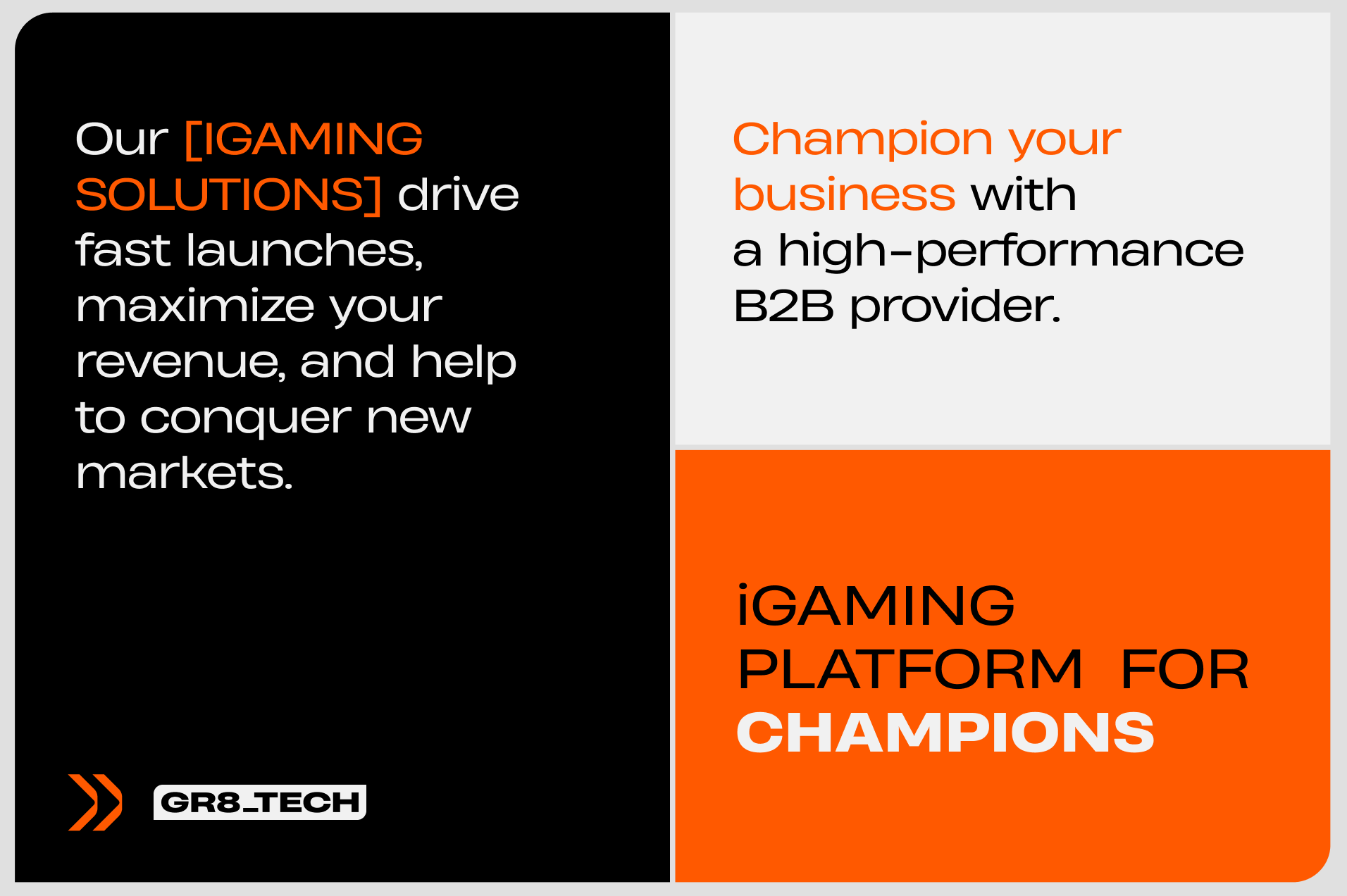
Our team made deliberate choices in the redesign. Black as the dominant environment – not as an aesthetic preference, but because it creates focus and feels native to the technical, screen-based world our products operate in.
We didn’t rebuild the brand to produce a static brand book. We built a living framework
Orange is preserved as an accent, not a dominant color, because emphasis should feel intentional. A typographic system drawn from the logic of digital interfaces and coding languages.
When I look at those choices, I see the same instinct that drives how we build products: clarity is performance. In the environments operators work in, where trust, speed and decision quality matter constantly, the signals around you should reinforce those qualities, not compete with them.
A living system, not a frozen brand book
The more important story behind the visual evolution is structural. We didn’t rebuild the brand to produce a static brand book. We built a living framework – one that can evolve alongside the company, adapt across formats and support future ecosystem growth without losing coherence.
That same logic applies to how our product ecosystem is organised. GR8_SPORTSBOOK was the first solution to be fully aligned with the new system – not just visually, but in how it’s structured, communicated and experienced.
The best partnerships produce conditions for the other party to win. That’s what we want to be for operators.
The rest of the product portfolio followed: GR8_TURNKEY, GR8_CRYPTO TURNKEY, GR8_CASINO AGGREGATION. The goal was a unified, system-driven ecosystem where every solution feels like it belongs to the same coherent architecture.
For an operator, that matters. It means you’re not inheriting a patchwork. You’re building on something designed to scale.
Championship thinking, embedded
Through our partnerships – from Ready to Fight by Oleksandr Usyk to José Mourinho – we’ve consistently aligned GR8_TECH with a championship mindset. Not as marketing imagery, but as a genuine reflection of how we approach the work.
The best partnerships produce conditions for the other party to win. That’s what we want to be for operators.
The brand evolution was the right moment to make that philosophy visible at every level of the company – not just in the products we sell or the names we partner with, but in the standards we hold for ourselves internally. The details matter. The system matters. How you show up consistently, at scale, under pressure: that matters.
Come talk to us at iGB L!VE
If you’re evaluating technology partners or want to see how this thinking translates into product, we’d like to have that conversation in person.
The GR8_TECH team will be at iGB L!VE on 1-2 July. Book a meeting with us or come find us in the B2B Hall, at stand T30. With a new style, we’re pretty easy to spot – and equally easy to talk to.
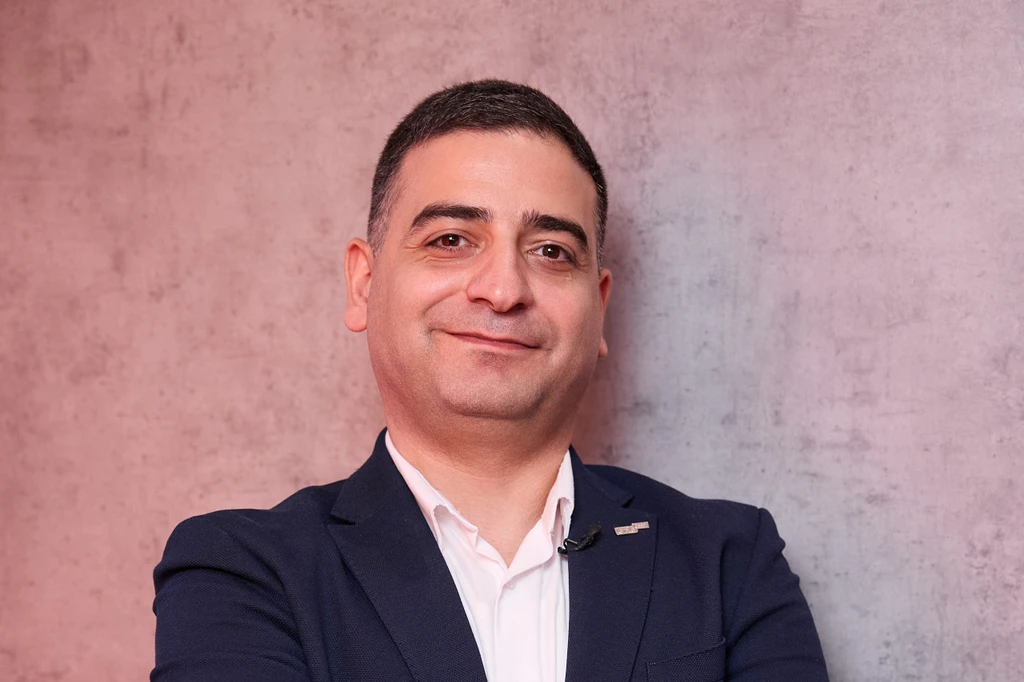
Sergey Ghazaryan, chief revenue officer, GR8_TECH