
Banijay Gaming enters French land-based sector with JOA acquisition
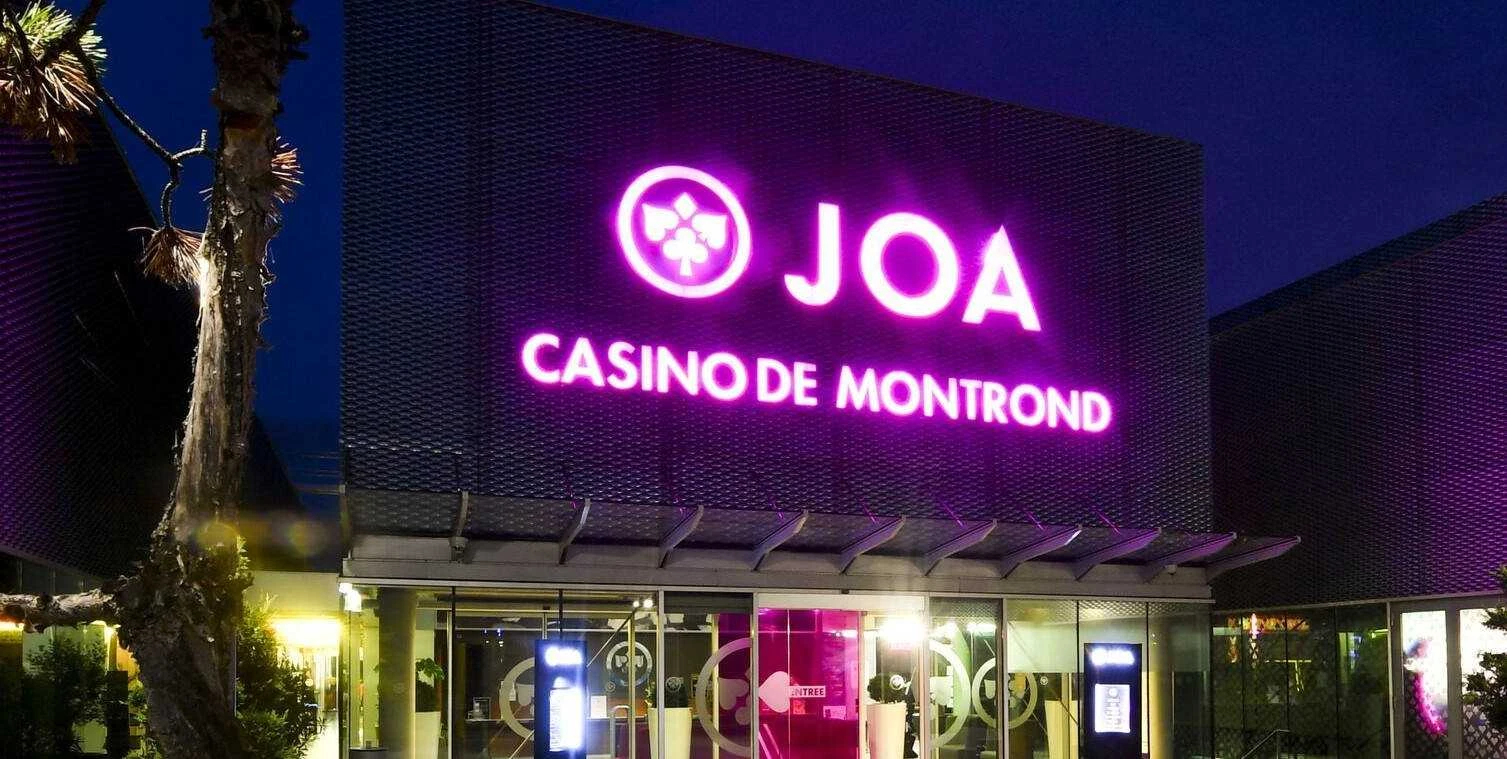
Tipico and Betclic-owner Banijay Entertainment’s gaming arm has acquired JOA’s network of 33 regional casinos across France, in a deal it said would bolster its omnichannel capabilities.
The deal is expected to complete in the second half of this year, subject to JOA’s employee representatives’ consultation and customary regulatory approvals, including merger control and casino gaming regulatory approvals.
Banijay did not disclose any financial details, except that the acquisition would be supported by funds managed by Blackstone and Kings Park Capital.
François Riahi, CEO of Banijay Group referenced the group’s Tipico acquisition, which Riahi said had “transformed” the business into “a diversified omnichannel European leader in gaming”.
“The acquisition of JOA is fully relevant with this evolution. As in Germany and Austria, we will become a leader in land-based gaming in another of our core countries: France,” he said.
“We welcome happily the JOA teams in Banijay Group, where they will find a positive entrepreneurial environment to continue their growth and create value. Very happy also to enlarge our set up in France, with assets and people all over the country.”
JOA’s chairman, Laurent Lassiaz, said in a statement that Banijay’s “expertise in technology and digital innovation” would help it accelerate its omnichannel development, “while allowing us to preserve the entrepreneurial spirit and local roots that have always been our strength”.
Lassiaz will continue to lead JOA alongside the existing management team, ensuring continuity for employees, customers and local stakeholders.
Lassiaz supports iGaming omnichannel opportunity
France’s casino culture is significant, as Lassiaz told iGB in a recent interview. Notably, as the French casino industry is aimed at locals, it is more resilient than a destination resort might be and is therefore less exposed to influences such as the cost of fuel.
“For the French population, the casino is a local leisure destination; it’s part of the local list of leisure activities that you can do. And that’s the reason why it resists a poor economic environment so well,” he said in a June interview.
According to H2 Gambling Capital data, France’s casino turnover hit €32.2 billion in 2025, while retail betting reached €10.5 billion, slightly lower than €11 billion in 2024.
Today iGaming is not regulated in the market and a combination of lobbying efforts from the land-based sector and political uncertainty have meant that any policy change is unlikely in the short-term.
However, Lassiaz told iGB that iGaming was not a threat to France’s thriving casino business. “We basically bring so many things on top of gaming that help us to resist this potential proposition,” he said. Lassiaz instead admitted the French industry could benefit from online licences tethered to land-based casino operations.
“My view is that it would be a huge new vertical for us, and I’m the defender of the evolution from brick-and-mortar to click-and-mortar. I think it would be a natural extension of what we already do on a regular basis.”
Banijay to integrate Tipico after World Cup
This is the second significant acquisition for Banijay in the last year, after it bought Tipico in October, and revealed plans to merge the German operator with its Betclic business, to become the fourth largest European sports betting and gaming player.
During its capital markets day in March, the operator hinted at further M&A that would improve its leading position in its core markets, including France and Germany.
But at the time CEO Riahi noted the group would wait until after the World Cup to integrate the Tipico business, to ensure it “focused on preparing new features in the application and to have everything ready to make the most of the [event]”.
The JOA deal, which further cements Banijay’s position in France, also supports the view that gaming giants in Europe are leaning into heavily regulated markets to drive consolidation and avoid regulatory volatility in less mature markets.
Gaming veteran Vaughan Lewis told iGB in November: “This demonstrates that significant value creation is being driven by regulated markets. Regulatory challenges create barriers to entry, which tends to increase the value and sustainability of the leading operators.”

Nicole Macedo
Nicole cut her teeth in local news rooms at home in Gibraltar, and helped to establish the peninsula’s first online-only broadcaster.