
Netherlands gambling ad ban will ‘hand the entire stage to illegal operators’ warn experts
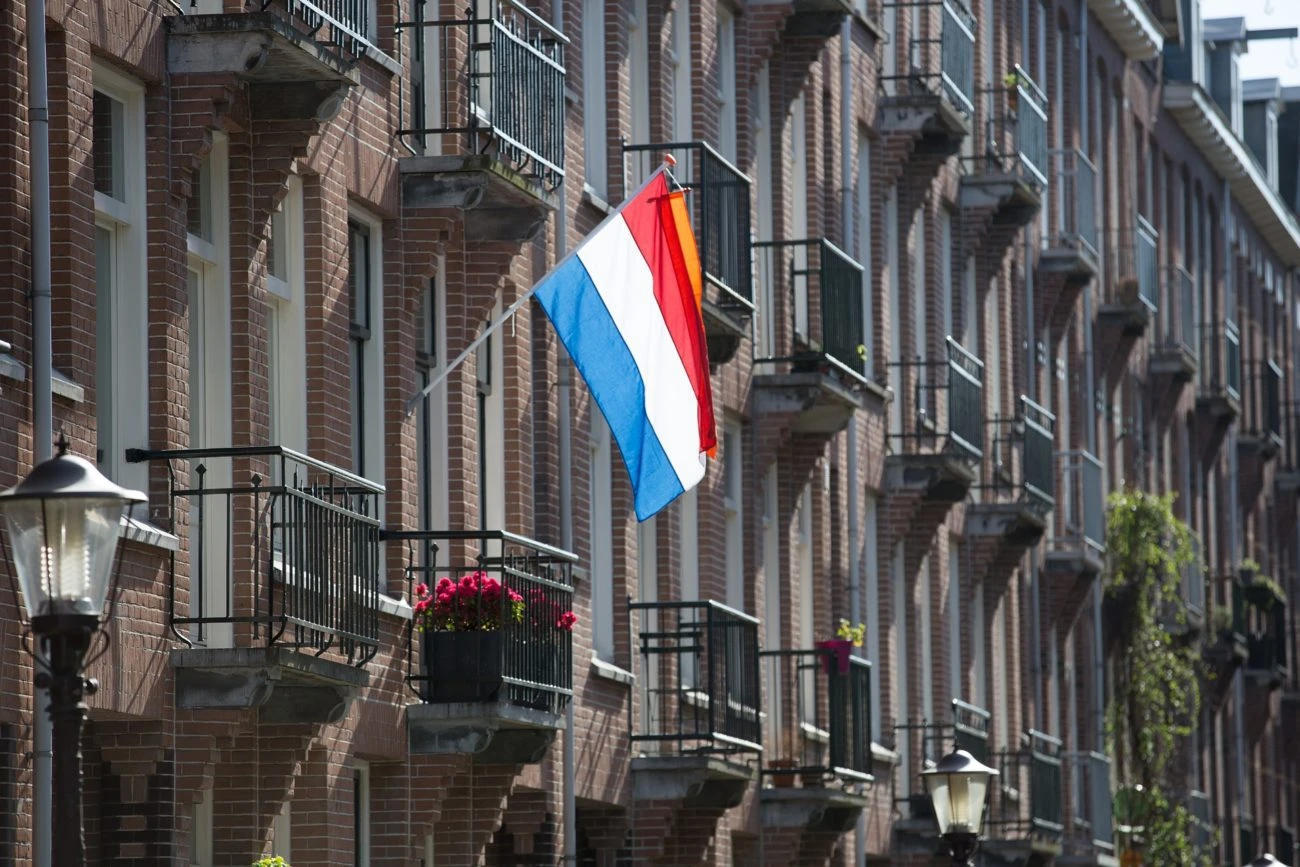
The Dutch state has decided that the best gambling advertisement is no gambling advertisement. In June, the cabinet proposed a near-total ban on online gambling advertising, with only narrow exceptions. The package assembled by Claudia van Bruggen, state secretary for legal protection, goes further still: an end to sign-up bonuses such as free bets, an overarching deposit limit spanning all operators, a strengthened CRUKS self-exclusion register and a promised clampdown on illegal activity.
“I find it particularly concerning that more and more people, and especially young people, have started gambling online and are getting into trouble as a result,” Van Bruggen said announcing the measures in June. “It is high time to reverse this trend.”
The proposal is less a new policy than the latest move in a gradual tightening. The Netherlands banned role models from gambling adverts, prohibited untargeted advertising from July 2023 and outlawed sports sponsorship from July 2025. Each measure was meant to be sufficient; officials have now concluded that none cut public exposure enough. When a medicine fails, The Hague’s instinct is to increase the dose.
The quiet death of channelisation in the Netherlands
Something more fundamental than the advertising rules has shifted. When the Dutch online market opened in 2021, the stated purpose of regulation was channelisation: steering players toward licensed, supervised operators.
Ask Justin Franssen, partner at Amsterdam gaming law firm Franssen Tolboom, whether that objective has been quietly abandoned, and his answer is clear: “Yes, I think it has – and actually, not even that quietly,” he says, noting that the former state secretary, Teun Struycken, had already alluded to the change. “The new mantra is the prevention of gambling harm.” The objective is no longer to channel existing players into the regulated market, but to shield players and non-players alike from gambling-related harm.
The timing of the retreat is telling, because by previous standards the policy is failing. The regulator, the KSA, has acknowledged that the legal market’s share of gross gaming revenue fell to roughly 49% in early 2025; trade bodies last year put the black market at around a quarter of all Dutch gambling activity. Licensed operators blame a gaming tax now at 37.8% of GGR – and the very advertising restrictions the government now wishes to complete.
Evidence, anyone?
What evidence suggests a total ban will succeed where partial ones failed? “It’s a very simple answer, there is no evidence,” says Franssen. “There is no evidence that it will succeed.” He points out that the KSA itself has expressed concerns about a total ban and advised against it.
It is a matter of numbers: most gambling advertising on Dutch social media is already illegal. “I would estimate that around 95% of those advertisements come from the black market,” Franssen says.
“There is no evidence [a total ad ban] will succeed”
Justin Franssen, partner Franssen Tolbloom
In June, trade association VNLOK sued Meta and lodged a complaint with the European Commission over a flood of illegal gambling adverts. In the final quarter of 2025 alone, VNLOK counted more than 70,000 gambling ads on Meta platforms, over 95% of them from unlicensed operators; less than 5% were removed. The KSA files thousands of complaints with Meta monthly; offending ads stay live for around a day and a half, then reappear under altered names. VNLOK now reckons the illegal Dutch market exceeds €1 billion a year – as large as the regulated one.
Ban the licensed half of that equation, Franssen argues, and the result writes itself: “What you ultimately achieve with a total ban is that you hand the entire stage to illegal operators while preventing licensed operators from informing consumers that a legal, regulated and protected alternative exists. In my view, it’s one of the worst policy ideas I’ve seen in many years.”
Postcards from Copenhagen and Rome
The Dutch are not the first to travel this road. Denmark – which considered and rejected a blanket ban – passed its own tightening package last October: a whistle-to-whistle ban on ads around live sport, prohibitions on public transport and near schools, no under-25s in marketing and an end to free-bet offers, phasing in by January 2027.
Yet even under mere restrictions, rather than prohibition, the Danish market is leaking. “The growth of the unlicensed market is massive,” says Morten Rønde, outgoing director of Danish online gambling association Spillebranchen. “The unlicensed market has grown almost exponentially over just three years and the channelisation rate has dropped from 90% to 70% in 2025.” It is a slide he attributes to advertising restrictions alongside high tax and limits on the games licensed operators may offer.
The mechanism, Rønde argues, is structural: restrictions bind only those who obey them. “While it limits the visibility of licensed operators it leaves the unlicensed operators untouched as we currently have no way of keeping the unlicensed operators from advertising on search engines and social media. So, unintentionally unlicensed operation is strengthened.”
Licensed firms, squeezed between each other and untaxed rivals, respond with what he calls “a negative spiral where the volume of advertising keeps growing”.
Illegal market in Italy is thriving
Italy ran the full experiment. Its Dignity Decree has imposed a near-total ban on gambling advertising and sponsorship since 2018, and Quirino Mancini, partner at WH Partners Italy, is withering about the results. The “Italian-style, draconian regulatory approach entailing an outright advertising ban” is, he says, “quite short-sighted and superficial and indeed highly likely not to achieve the scope of effectively tackling illegal gambling while protecting channelisation and the legal and licensed operators”.
Eight years on, he points to the “hard and undisputable fact” that illegal gambling in Italy is thriving – worth an estimated €22 billion. And the ban’s measurable impact on channelisation to the licensed market? “Very minimal indeed.”
Nor has the prohibition proven watertight. Its operational guidelines – written by Italy’s telecoms watchdog rather than its gaming regulator – left, Mancini notes, plenty of loopholes: the restrictions have been “skilfully navigated and legally played around”, through perfectly compliant sites that carry a gaming operator’s trading name and brand while offering only infotainment, odds comparison, sports news and live scores rather than real-money gambling.
The tools that actually worked
The irony is that Dutch policy contains its own counter-evidence. The deposit regime introduced in 2024 under Van Bruggen’s predecessor Franc Weerwind – loss limits of €150 a month for 18-to-23-year-olds and €350 for older players, with affordability checks at €300 and €700 in deposits – delivered measurable results. The share of players breaching their monthly allowance fell from 9.7% to 2.2%, and average monthly losses dropped 31%, from €116 to €80. Targeted, testable and effective: precisely the kind of instrument a harm-prevention agenda claims to want.
Franssen is careful not to dismiss the ambition. “The underlying idea is not necessarily bad. On the contrary, the objective is player protection, and that should absolutely be applauded.”
His concern is about the overall effect: successive advertising curbs, tax rises and mounting obligations have already pushed black-market GGR past the licensed market’s – an outcome the regulator itself has acknowledged. Pile on more, he warns, and “they will not improve the situation. On the contrary, they could very easily push even more players toward the black market. Ultimately, I think the proposals are likely to be counterproductive.”
Like quicksilver
The government’s answer to tackling the black market is enforcement: new tools for the KSA. Franssen is unmoved. “The black market is like quicksilver – it always finds a way around enforcement measures,” he says. He points out that it goes for both when it comes to avoiding to pay fines, or circumventing payment blocking or ISP blocking.
One consolation for licensed operators: a total ban requires primary legislation, which could take two years or more. But two years is also long enough for the trends already in motion – a growing black market and a channelisation rate stuck at around 50% – to deepen.
Asked whether the Dutch approach risks more than a regulated market can sustain, Mancini needs eight words: “Absolutely so. This is quite a safe bet.”
Rønde, watching from Copenhagen, offers the bleakest verdict on where the Dutch experiment ends. “Everything indicates that the Dutch policymakers have already gone too far,” he says. “When surveys show that the channelisation rate is down to 50%, this tells me that the market is already not working. However, it seems like some stakeholders are willing to put the last nail in the coffin and bury the hope of a viable gambling market.”
The Hague may yet discover that when the licensed market falls silent, the conversation about gambling does not stop. It simply moves somewhere the regulator cannot hear it.