
Austria advances draft gambling law to EU review in next step for open licensing
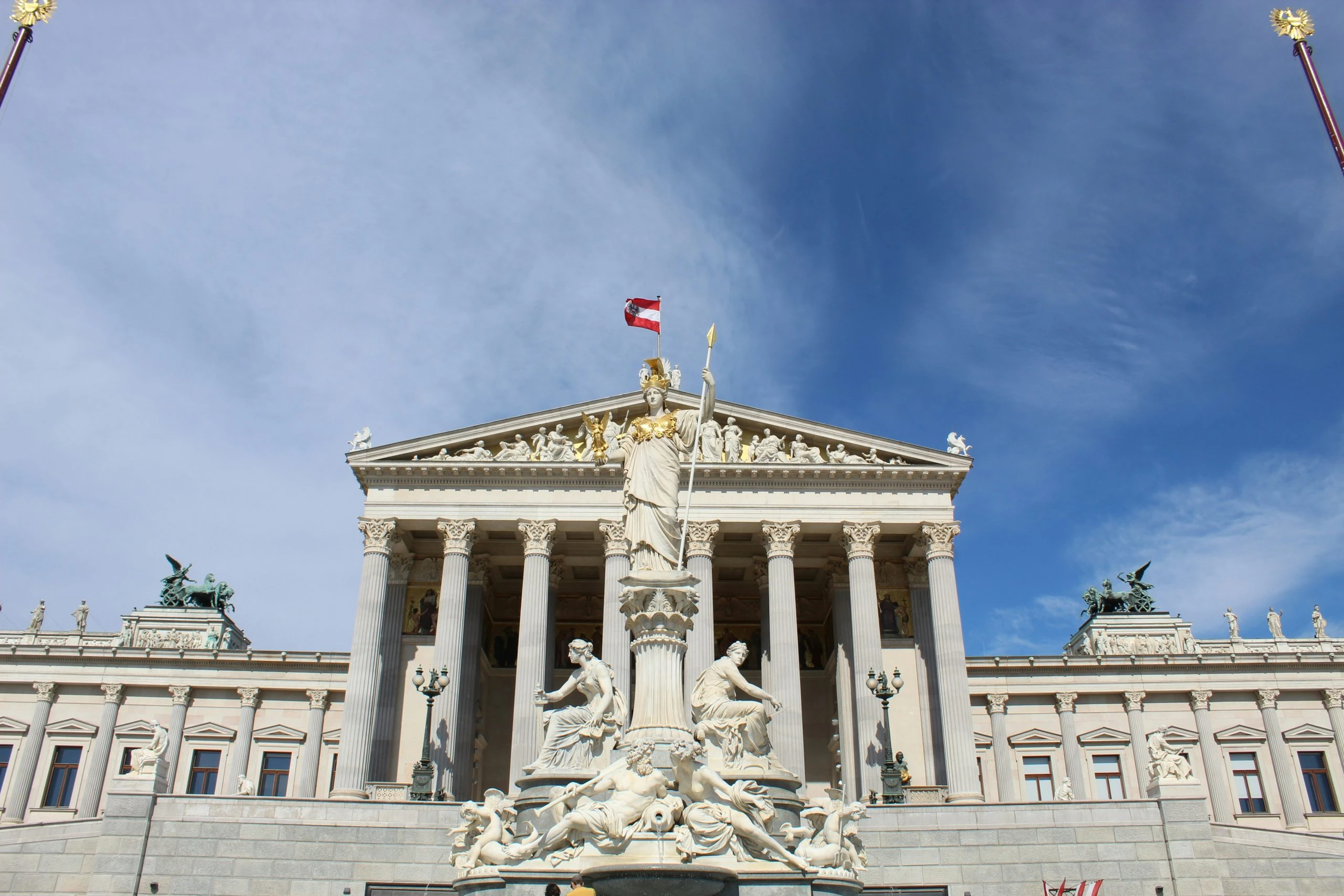
On Tuesday, Austria’s Ministry of Finance formally submitted a comprehensive draft overhaul of its gambling regulations to the European Commission, initiating a mandatory three-month standstill period before the legislation can be officially enacted.
The step triggered a review phase during which the Commission may raise concerns related to state aid or single market regulations. Austria’s parliamentary processes are allowed to continue in parallel.
The proposed legislation represents one of the most significant shifts in Austria’s gambling framework in recent years. It would primarily address tighter controls on online gambling, enhanced player protection measures and a modernised system for licensing and supervision.
What was in the draft law?
Austria would introduce a national exclusion register to incorporate self-exclusions and operator-imposed bans across casino gaming, slot machines and online gambling platforms. The register would aim to prevent excluded players from switching among different gambling products or operators to circumvent restrictions.
The draft also mandated deposit limits specifically for online gambling and slot machines, with stricter (lower) limits applied to young adults aged 18 to 26. This measure targeted increased protections for more vulnerable younger players.
The legislation proposed lowering maximum stakes and slowing game speeds for slot machines. Furthermore, it mandated a cooling-off break after 90 continuous minutes of play to combat excessive gambling.
Operators will be legally required to conduct analyses of the addiction potential of their gambling offerings, supporting broader research initiatives and policymaking on gambling harm reduction.
Opening up the market
The government plans to introduce open licensing for online gambling operators with transitional rules. Operators who currently provide services illegally must cease their operations by 1 January 2027 in order to be immediately eligible for a licence.
Non-compliance will impose an enforced waiting period of 18 months (rising to 24 months from 2030). Applicants will also need to resolve outstanding tax liabilities and unpaid claims from approximately 20,000 affected players, a move designed to address historical enforcement gaps.
The Austrian Betting and Gaming Association (OVWG) is sceptical that the transitional period will lead to high channelisation to Win2Day or legal land-based operators. Instead, it predicts that the black market could emerge as the biggest winner.
The reform encompassed a digital supervisory platform with a central, operator-independent deposit limit. Enforcement tools such as payment blocking, blacklisting and network blocking are intended to prevent illegal operators from serving Austrian customers and thereby steer players towards the licensed market.
‘We believe its quite unfair’
The law sets a maximum of 13 casino licences, which may be allocated in packages. Licensing authorities are instructed to prevent excessive competition among casinos and ensure balanced geographical distribution, thereby reinforcing player protection.
Former Casinos Austria employee Niklas Sattler suggested offering individual concessions would be the fairest way to open the market.
Casinos Austria, the current monopoly for casinos, has been publicly calling for the retention of the packages. Instead of two packages of six, he predicts that one package of six and one of seven could later be up for tender. This would allow a second giant, such as Merkur, to enter the market, but would effectively shut out smaller players.
“We believe it’s quite unfair,” Sattler added.
“Given how slow political processes in Austria can be, I’m sceptical about whether they will be able to hand out licences within 12 months,” political analyst Felix Geyer said to iGB. “Especially since I don’t expect them to begin before the law actually comes into force.”
If all goes to plan, the market will open up in October 2027.

Kathryn Evans
Kathryn covers bitesize breaking news with a primary focus on EMEA and US legislation. A proud North Walian, fluent Welsh speaker and lifelong Wrexham FC fan – long before Hollywood came calling.