
UK High Court extends interim protection to Spribe in Aviator game dispute
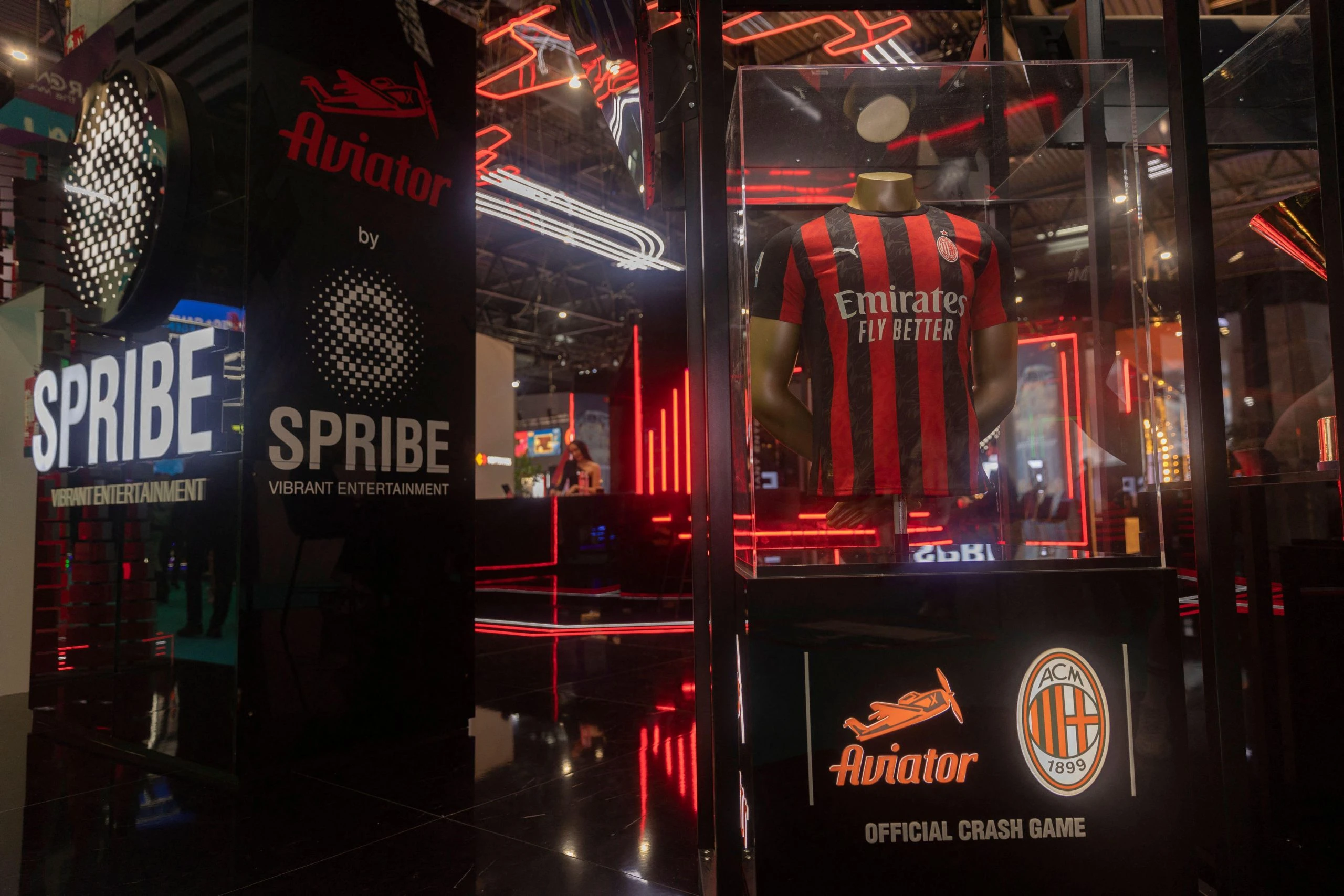
The UK High Court has extended interim protection for game developer Spribe in its dispute with companies behind a rival game called Aviator. This will restrict the rival game’s expansion on some platforms in three countries and require advance notice of launches in two others.
The order, published on Monday, applied to two Georgian companies, both named Aviator LLC, and Malta-based Aviator Studios companies. While the case proceeds, they may not make the game available on additional platforms in Colombia, Serbia or Romania.
Both Aviator parties must give Spribe advance notice before launching it in Canada or Italy, allowing the developer time to seek legal protection there.
An interim injunction is a temporary measure made before a full trial; it does not determine whether the rival game infringes Spribe’s rights or amounts to passing off or unfair competition.
Likely to cause confusion
Estonia-based Spribe says the rival title copies its Aviator Crash Game, in which players watch a multiplier rise during a flight and choose when to cash out. It alleges that the games use the same name and similar logos, creating a risk of confusion.
The judge said that two crash games using the name Aviator and very similar logos were “very likely” to confuse customers and potentially divert them from Spribe.
The court also said it was unlikely to be consistent with “honest commercial practices” to promote a confusingly similar name and logo in a territory where a competitor had built a substantial business and reputation.
Spribe launched its Aviator Crash Game in Georgia in 2019 and had expanded to several other markets, including the UK, by 2021. Spribe sought copyright in the same year.
The alleged ‘copycat’ game, created by Aviator LLC and Aviator Studios, was launched in March 2025.
Spribe can pursue international claims
The ruling allows Spribe to pursue international claims within the existing UK proceedings, rather than starting separate cases in each market.
Those claims concerned South Africa, Kenya, Mexico, Canada, Italy, Colombia, Ghana, Romania and Serbia.
The High Court had previously issued an injunction covering the UK. Spribe also said the Maltese courts have granted an order covering European Union countries.
The judge allowed Spribe to add counterclaims based on passing off and unfair competition. Passing off can arise when a business misrepresents its goods or services in a way likely to lead customers to believe they are connected with another business.
The judge indicated that the case should proceed to trial quickly, citing the alleged risk of consumer confusion.
Spribe to receive further protection
In a press release provided by Spribe, the company’s founder David Natroshvili said the ruling provided further protection for the company’s brand and players.
“We are grateful that the UK High Court has issued a ruling that provides Spribe with further protection, recognising the likely confusion caused by the copycat game.
“We have invested years into building the Aviator brand and earning the trust of players worldwide. This ruling sends an unequivocal message to copycats: you cannot hide behind borders.”
The main trial is scheduled for October 2027, brought forward from the original date of spring 2028. The judge found a real need for an earlier resolution, given the potential harm to both sides while the rival games remain in the market and because the existing UK injunction prevents the Aviator parties from launching their game there.
Brazil had other ideas
A contrasting ruling was reached in Brazil, where Judge Andrea Epaminondas Tenorio de Brito revoked Spribe’s preliminary injunction, effectively the same as interim protection, earlier this year.
The court concluded that the factual and legal basis supporting the previous preliminary injunction no longer exists. The decision followed a ruling by the Federal Court in Brasília, which provisionally suspended the legal effects of Spribe’s registration of the AVIATOR trademark in Brazil.
The Pernambuco Court emphasised that its previous decision was based on the presumption that Spribe’s trademark registration with the Brazilian Property and Trademarks Office was fully valid and effective.
Since the Federal Court subsequently suspended the legal effects of that registration, the Court held that the grounds for the preliminary injunction had undergone a substantial change, requiring its revocation pursuant to Article 296 of the Brazilian Code of Civil Procedure.

Kathryn Evans
Kathryn covers bitesize breaking news with a primary focus on EMEA and US legislation. A proud North Walian, fluent Welsh speaker and lifelong Wrexham FC fan – long before Hollywood came calling.