
Armed Pokémon card robberies in Denmark sharpen the spotlight on a market edging into gambling
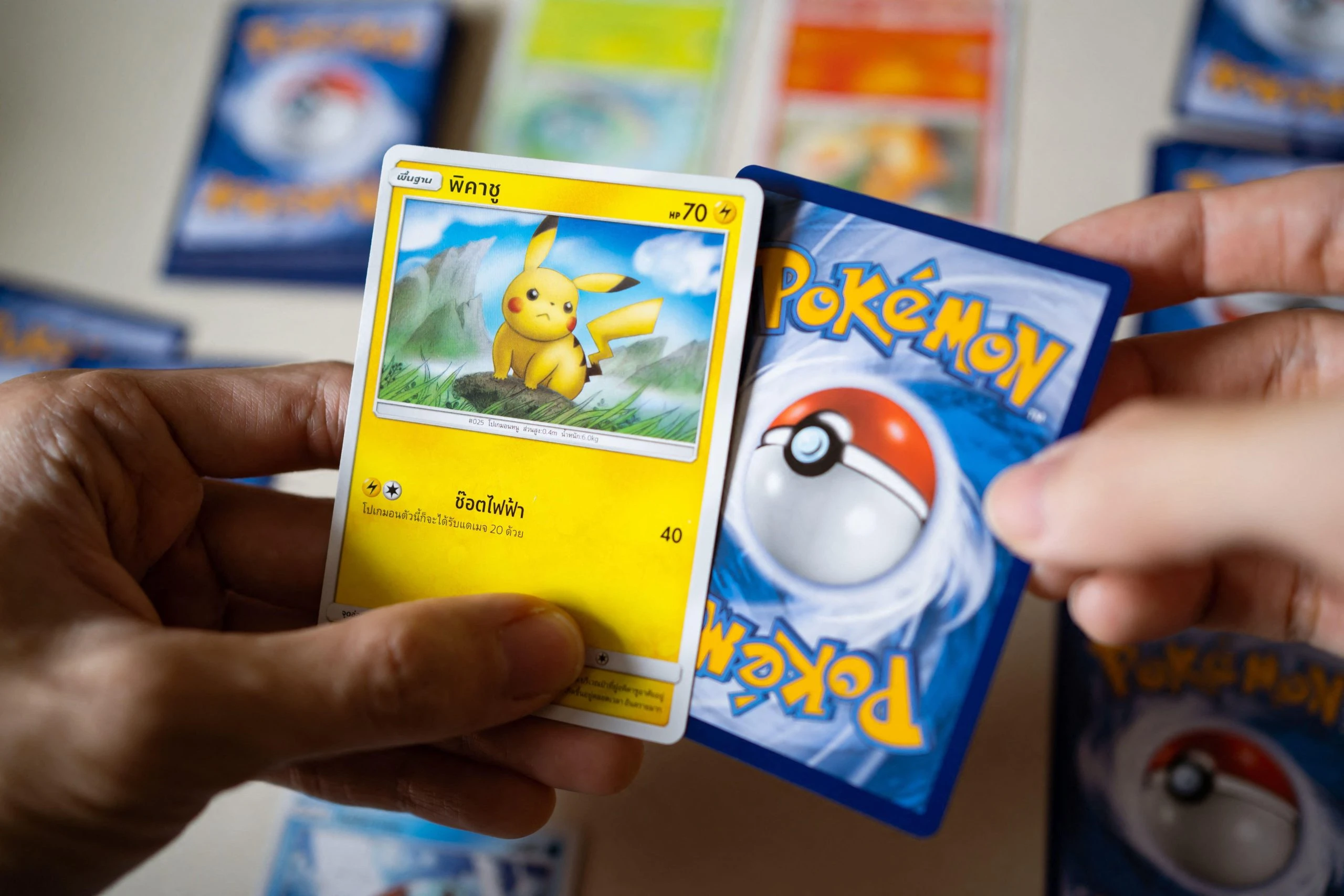
On 15 November, masked robbers threatened staff with a pistol-like object at the collectable card shop Rogerz in the Lyngby Storcenter shopping centre on the outskirts of Copenhagen. They smashed a display case and escaped with Pokémon cards police valued at about DKK 1 million (€134,000). Five suspects were arrested. Three have been remanded in custody until 17 December. The other two, an older man and a woman, had their arrest extended by 72 hours after appearing in court on Thursday.
The robbery was just the latest incident in a wave of Pokémon card crime in and around the Danish capital.
In January, a couple in Faxe Ladeplads, about an hour from Copenhagen, were stabbed in a home robbery. A collection of cards worth at least DKK 300,000 (€40,000) was taken. Two Swedish men have been arrested.
Morten Kratz, co-owner of the Copenhagen Pokémon shop Pocket Monster, said card prices have “gone completely berserk”. He now keeps his rarest stock in a bank vault for fear of being robbed.
Cards as currency
Mads Hauge, the police officer who led the Faxe Ladeplads investigation, told Danish newspaper Politiken that police found some criminals use valuable cards to launder money or as currency. Officers will now check whether large card hauls are legitimate.
Meanwhile, Swedish police say gangs use cards to pay young people to commit crimes.
A card small enough to slip into a pocket can be worth a fortune, and the prices behind that are set largely at US auction houses, where records keep falling.
In 2021, a Blastoise prototype card sold for a then-record DKK 2.2 million at Heritage Auctions in Dallas. In February of this year, a Pikachu Illustrator card fetched $16.49 million at a Goldin auction. Prices also swing wildly: a PSA 10 Cresselia card sold for $6,000 in September, and two weeks later a pending sale valued it at $960,000, prompting claims of manipulation.
In an op-ed, Copenhagen Business School researcher Nicolai C. Jepsen argued that the companies around the market win either way, earning fees on every card graded or traded. He singled out grading firm PSA, whose 1–10 scores can multiply a card’s value, and said graders should not also run price indices, storage and trading.
Betting apps start ripping packs
A “rip” is opening a card pack in the hope of pulling a rare one. Lucas Lima, co-owner of Copenhagen card shop Matraws, says opening packs on livestreams has become big. Digital rips go further: customers buy a pack online that reveals a real card, which they can have shipped, stored or sold back.
Betting operators are piling in. PrizePicks launched PrizePicks Packs on 21 October, with packs from $1 to $2,500, and OG.com and Crypto.com followed. Fanatics and Underdog already sell rips, FanDuel is testing them via Arena Club. DraftKings has invested in Rips by Triumph, and sweepstakes operator Crown Coins sells Pokémon packs.
Bank of America calls rips “a natural new vertical” for betting operators, iGB reported last week. Weekly users have jumped from about 50,000 to more than 1.7 million in a year, annual revenue is nearing $2 billion and 58% of rips involve Pokémon. BofA estimates operators keep 5-10% of what customers spend, similar to slots, and one in five users is aged 18-24.
SBTech founder Shalom Meckenzie has launched Grail Network, which supplies rip operators with cards from a $20 million stock.
Gambling or shopping?
No gaming regulator oversees digital rips, which operators sell as e-commerce. In California, consumers have filed dozens of arbitration demands. They allege that randomised card breaks violate state lottery laws. In Texas, deputies raided alleged gambling rooms that paid out Pokémon cards instead of cash.
Child psychologist Julie Bek of Danish children’s charity Børns Vilkår warns that rising values make the hobby a game for the few.
In the UK, Lord Foster has challenged the Gambling Commission’s view that buying Pokémon cards falls outside the Gambling Act 2005. The regulator says resale value alone does not make a sale gambling, though the new Gambling Policy Commission is reviewing the Act. The EU’s draft Digital Fairness Act would regulate paid “variable reward systems”, including card packs.
For now, the line between collecting and gambling is being drawn by operators, lawyers, and armed robbers – not by regulators.