
Íslandcasino.com examines Iceland’s unique gambling market
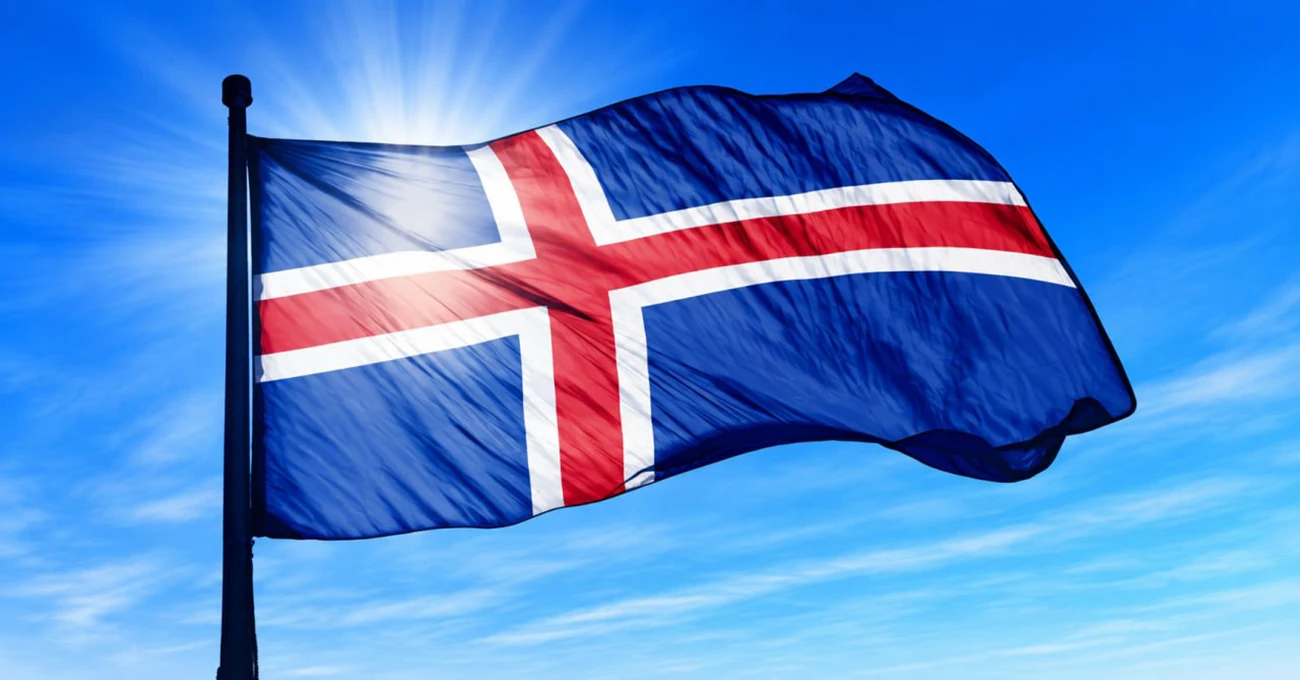
Íslandcasino.com has examined the current state of Iceland’s gambling market, highlighting how the country continues to follow a markedly different regulatory path from several of its Nordic neighbours.
Under Icelandic law, gambling is generally prohibited unless specifically authorised. Certain forms of gambling are permitted under specific legislation, creating a system based around exemptions rather than an open commercial licensing framework for online casino operators.
That makes Iceland a distinctive market at a time when gambling regulation across the Nordic region continues to evolve.
A market built around specific exceptions
Iceland permits certain gambling activities, including lotteries, sports betting and other specifically authorised forms of gaming.
However, the country does not operate a conventional competitive licensing system through which international online casino companies can obtain domestic licences comparable to those available in markets such as Denmark and Sweden.
This distinction is particularly important when assessing gambling in Iceland, as international gambling websites can still form part of the online landscape despite the absence of a broad domestic licensing framework for private online casino operators.
For operators and industry observers, Iceland therefore needs to be assessed independently rather than treated simply as another Scandinavian gambling market.
Iceland stands apart from Nordic liberalisation
The contrast has become more pronounced as neighbouring Nordic markets have modernised their gambling frameworks.
Denmark has operated a competitive online gambling licensing system for more than a decade, while Sweden moved to its re-regulated market in 2019.
Finland is also moving towards licensed competition, with its reformed system expected to open online casino and betting to licensed operators in 2027.
Iceland, meanwhile, continues to rely on specifically authorised gambling activities alongside restrictions on unauthorised gambling.
Online gambling complicates the model
The growth of online gambling creates an additional challenge for restrictive regulatory systems.
Domestic legislation determines which gambling activities and businesses are authorised within Iceland, while the internet gives consumers access to services operating internationally.
This creates a distinction between Iceland’s formally authorised domestic gambling sector and the wider online gambling environment encountered by Icelandic consumers.
It also makes the size of the broader market difficult to establish.
Without a competitive licensing system requiring multiple commercial operators to report local activity, publicly available data does not provide the same picture of online gambling participation that can be found in some regulated European markets.
A different Nordic gambling model
The regulatory gap between Iceland and its Nordic neighbours could become increasingly visible as Finland implements its new licensing model.
For gambling companies assessing opportunities across the Nordic region, the developments underline the importance of treating each country individually.
Iceland currently represents a fundamentally different model: a relatively small market where specific gambling activities are authorised rather than a jurisdiction offering broad commercial online casino licensing.
Whether that approach changes in the future remains uncertain, but for now Iceland continues to stand apart from the wider Nordic trend towards competitive online gambling regulation.