
If interest rates keep rising, how will that impact the US gaming industry?
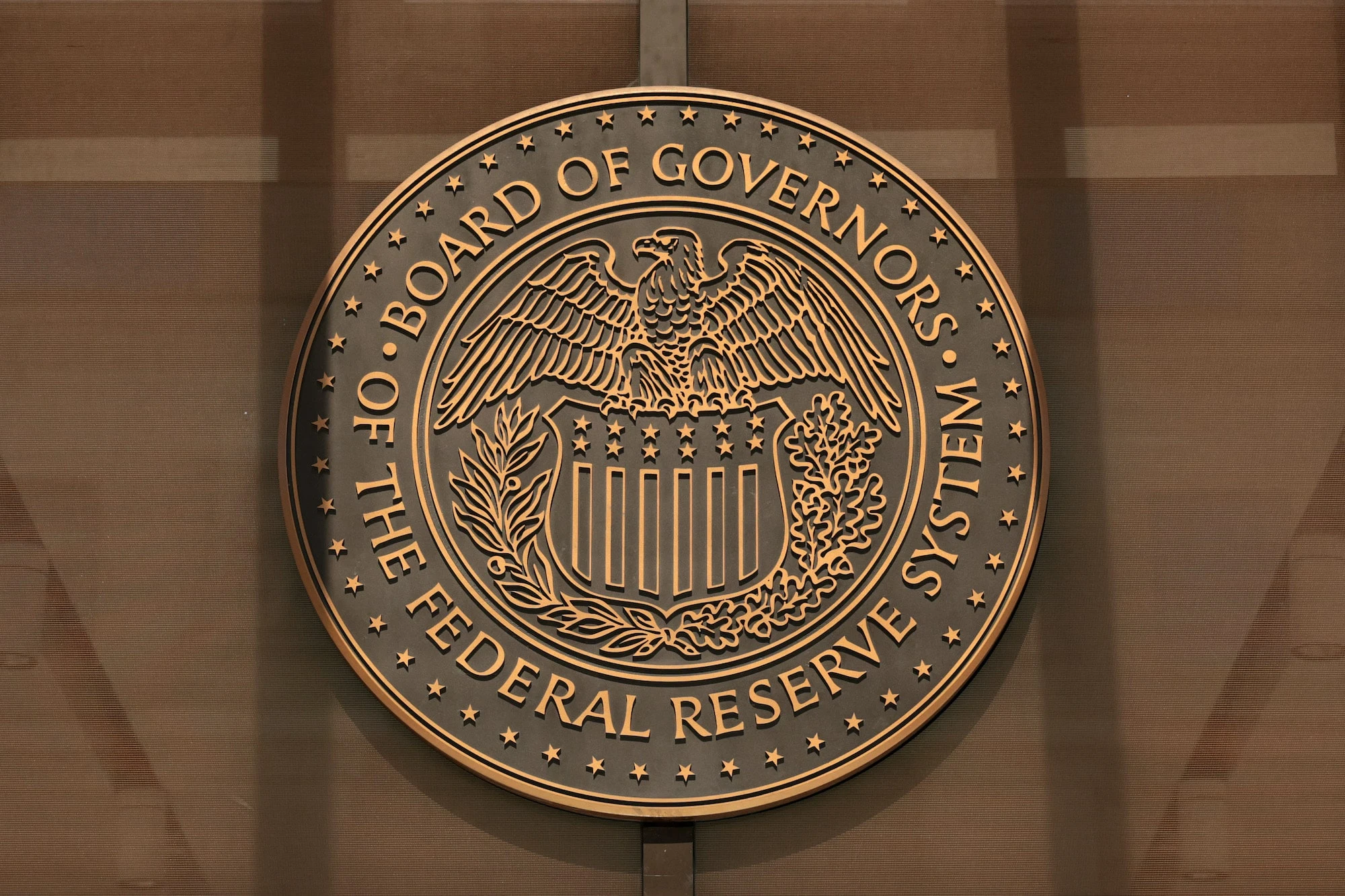
The US Federal Reserve raised the effective federal funds rate by 0.25% to a range of 3.75%-4% on Wednesday, representing its first rate hike in three years as the economy grapples with sticky inflation, record-high energy prices and rising bond rates with no end in sight to the ongoing war with Iran that kicked off in February.
Investors began 2026 expecting multiple rate cuts, which tend to juice capital markets and spur dealmaking activity. But on 28 February things changed quickly after joint US-Israeli attacks on Iran largely curtailed traffic through the Strait of Hormuz, the vital Middle East waterway where some 20% of the world’s oil transited before the conflict began.
Several factors weighed heavily on the decision to raise rates. The average nationwide gas price now is $4.36 compared to $3.18 a year ago, per AAA, and the average diesel price of $6.31 is a record. Brent crude oil has crested over $100 per barrel compared to about $68 a year ago. Inflation was 3.4% in August, compared to 2.9% last year. And US 10-, 20- and 30-year Treasuries have reached their highest rates in decades.
Federal Reserve Chair Kevin Warsh assumed the top role in May, and the central bank held rates steady for all of Warsh’s first three meetings. The decision to stand pat at the start of Warsh’s tenure came despite increasing calls for a hike as inflation remains solidly above the Fed’s 2% target. Those calls became too loud to ignore, prompting the first rate hike since August 2023.
“The decision we made today was the right decision to deliver on the remit that Congress gave us to ensure stable prices… Some months ago I said we will deliver stable prices, today’s action is consistent with that,” Warsh said at the Fed press conference.
Air out of the balloon
For the gaming industry, the marked economic shift over the course of 2026 and a return to an elevated interest-rate environment after years of post-Covid easing could dissipate some of the optimism that prevailed at the onset of this year.
Many top gaming stocks have underperformed relative to the broader market in recent years, and most of the M&A activity has been facilitated by private equity and other institutions that can more readily capitalise on depressed valuations. There had been hope that rates would start to fall and help alleviate those pressures.
“Publicly traded valuations are a reflection of the current interest rate environment,” Chad Beynon, lead gaming analyst for Macquarie, told iGB. “Whether it’s a long-term financial model on a growth company, you’re going to discount that back at a higher rate, or if it’s just a standard four-wall business, the cash flows in a higher interest rate environment are worth less.”
According to data from Yahoo Finance, the resort and casino sector is -41% over the last five years, and the overall gambling sector, which includes major sportsbooks and online operators, is +7%; the benchmark S&P 500 index, by comparison, is +71% during that span.
Fertitta had bet on lower rates
Two blockbuster developments in the casino space earlier this year seemed to indicate an increasingly bullish bet on the sector, including Fertitta Entertainment’s acquisition of Caesars Entertainment in May. The other is a subsequent takeover offer of MGM Resorts from its largest shareholder, Barry Diller’s People Inc. But a negative shift in market conditions could affect both deals.
In July, Fertitta’s General Counsel Steven Scheinthal told the Nevada Gaming Control Board that the company had a letter of intent from banks to finance the transaction but was waiting for better borrowing conditions. Fertitta is assuming nearly $12 billion in Caesars’ debt and is committed to a $6.6 billion financing package.
“Our hope is that in the next few months there will be a window of opportunity where the market will be hotter and [it’s] a more interest rate friendly environment where we can go raise the money and then just put it in an escrow account,” Scheinthal said at the time.
That window Scheinthal had hoped for seems to be moving further away. Caesars’ proxy filing showed that even during negotiations in the spring, Fertitta refused to go above its $31-per-share offer “due to higher financing costs and increased macroeconomic risks”. From the end of 2025 to late April of this year, higher borrowing costs had resulted in “approximately $40 million per year in additional costs from when the process started”, the filing said.
Diller, for his part, lodged an all-cash, $48.30-per-share offer for MGM days after the Caesars deal broke. People Inc. finished Q2 with $1.1 billion in cash, but between the 74% of shares it would acquire, as well as MGM’s long-term debt of over $6 billion, some level of financing would be required. MGM appointed an independent committee to review the bid but has said nothing since.
More hikes ahead?
Moving forward, history suggests that this month’s rate hike might not be the last. During hawkish periods, the FOMC has paused after an initial rate hike just once since the 1990s, per the Wall Street Journal. Over that period, the US Central Bank has typically lifted rates six to seven times throughout an upward cycle. Warsh has signalled optimism in the economy’s stability moving forward.
“Economic activity is expanding at a solid pace,” he told reporters on Wednesday. “While uncertainty remains elevated, owing in part to geopolitical developments, domestic spending has been resilient, productivity growth is strong and capital investment is robust.”
Following the decision, the odds of one additional rate hike this year jumped to 48% on Wednesday afternoon on Polymarket. The contract asks traders to predict whether the upper bound of the Fed Funds Rate will hit 4.25% by the end of 2026. There is now a 21% chance that the Fed will stand pat for the remainder of year, with a slightly lower probability that the upper bound will reach at least 4.5%.
According to Multiples.VC, the average enterprise multiple (EV/EBITDA) of top US-listed gaming companies is currently 10x. Data from New York University last updated in January pegged the overall market average at 23.9x and 19.7x among EBITDA-positive firms, suggesting the sector is undervalued relative to other industries. In a report released Monday, Fitch Ratings said most North American gaming companies hold “Stable” outlooks with “adequate rating headroom” despite consumer headwinds.
Macquarie’s Beynon agrees with that sentiment, pointing to the relative stability of gaming companies through tough economic stretches such as the Covid-19 pandemic. Bankruptcies in the sector have been low relative to the broader market, he notes, and both land-based and digital companies have reason for optimism moving forward.
“It’s certainly not lost on us that this sector has underperformed for several years in a row just because it doesn’t have either the growth of say, tech companies, or the perceived free cash flow-insulated businesses, which we believe it does…We’ve thought there’s been value in the sector for a few years, particularly this year,” he told iGB.

Jess Marquez
Jess has covered the global gaming industry since 2022. A native of Reno, Nevada, he’d like to note that it’s Ne-va-da, not Ne-VAH-da.