
Seven questions Brazil needs to answer to become investable again
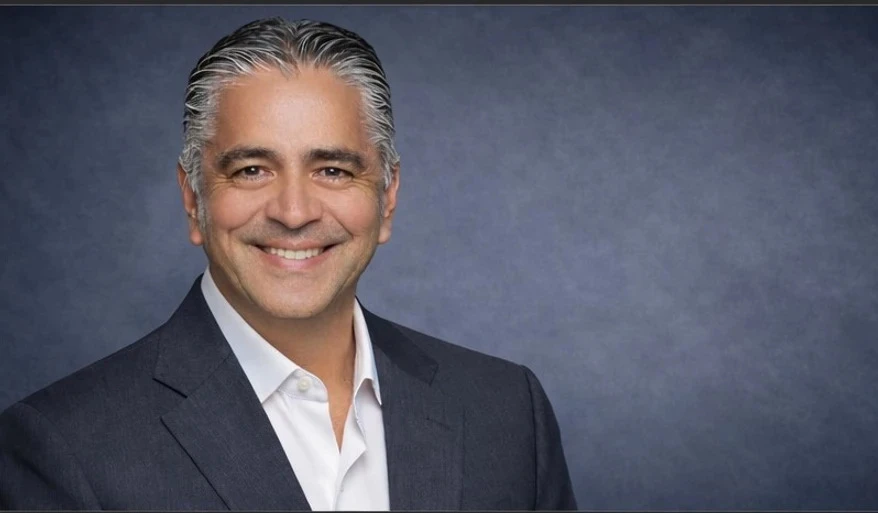
Alex W. Pariente points to the stability of regulations as a central condition for Brazil to regain investor confidence in iGaming.
Given the expiration of licences and disputes surrounding Provisional Measure 1,394, the author organises the analysis into seven questions.
Using international examples, Pariente argues in this exclusive article for iGaming Business that legal certainty and enforcement capacity outweigh advertising or low taxes subject to change.
Without advocating for a more open or restrictive model, he maintains that Brazil already has the legal, regulatory and professional foundations to rebuild the sector. The challenge, according to him, is to preserve structures and offer lasting solutions that transform crisis into a new investment opportunity.
Seven questions Brazil needs to answer
Since 25 October, Brazil no longer has an authorised betting market.
The 85 licenses issued under Law 14.790, totaling BRL2.55 billion ($476.2 million) in grants, expired without refund.
Provisional Measure 1.394 remains in effect. Congress has not yet established the joint committee that will analyse it. And Minister Luiz Fux, of the Supreme Federal Court (STF), will hear from the government, associations, and clubs in a public hearing on 3 November before deciding on the requests for suspension.
Those evaluating Brazil from the outside are currently observing. In my experience, an investment committee’s analysis typically revolves around seven questions.
1. Will the liabilities arising from Provisional Measure 1,394 be resolved?
No top-tier operator enters a market where previous investors are still disputing in court the BRL2.55 billion they paid. Any future model, whether iGaming or land-based gaming, begins with addressing these licensing issues and the 19 ongoing lawsuits.
2. Will the rules come by law?
Structural changes made by law, with transitional measures and compensation rules, carry a different weight. In Spain, the Supreme Court annulled advertising restrictions established by decree in 2024, ruling that limitations of this scope require a law approved by Parliament.
3. Will there be a regulator capable of bypassing governments?
The United Arab Emirates created its federal regulator in 2023, before issuing its first licence in 2024. Singapore also structured its regulation before opening its resorts. Brazil already has a Secretariat for Prizes and Bets, with data and payment control systems set up in less than two years. The challenge is to give it a technical mandate and stability.
4. Is the concession model compatible with the investment timeframe?
Macau renewed its concessions in 2022 for 10 years, with investment commitments revised by the government. Italy has started granting online licences for up to nine years. For integrated resorts, where the cycle between decision and opening was three to seven years in Singapore, Japan, and the Emirates, the renewal period and rules need to be clear from the outset.
5. Will the tax burden remain stable?
Colombia, through an emergency decree, created a 19% VAT on online gambling, but the Constitutional Court overturned it in 2026, ordering the return of the collected funds. In practice, investors prefer a predictable tax to a low tax that can change at any time.
6. Will capital be able to enter and leave safely?
The country has a modern exchange rate framework, in effect since the end of 2022. What investors want to know is whether it will apply without exception to this sector, including dividend remittances.
7. Who will meet the continuing demand?
Projections from H2 Gambling Capital indicate that the unlicensed market could grow from approximately BRL17 billion to BRL42 billion. The Philippines, which banned online gambling operators targeting foreign markets in 2024, needed a specific law in 2025, with penalties of up to 12 years in prison, to uphold the ban. Any model needs to address how it will handle this demand and how much it will cost to regulate it.
What does this mean now?
These questions apply to any model, whether more open or more restrictive, and all revolve around the stability of the rules. Brazil already has some of the answers. A 2023 law, a regulator with data and systems, an exchange rate framework, and a generation of professionals trained in compliance, responsible gaming, and payment methods, many of whom are now seeking opportunities both within and outside the country.
Pariente Advisory does not take sides on the path Brazil chooses for the game. The election is over, and the decision rests with the institutions. For those looking at the country from the outside, the answers to these seven questions will weigh more than the announcements. If they are good, the 2026 crisis could mark the beginning of a market worthy of Brazil.