
Australian government pushes last-minute opt-out gambling ad register despite inquiry warnings
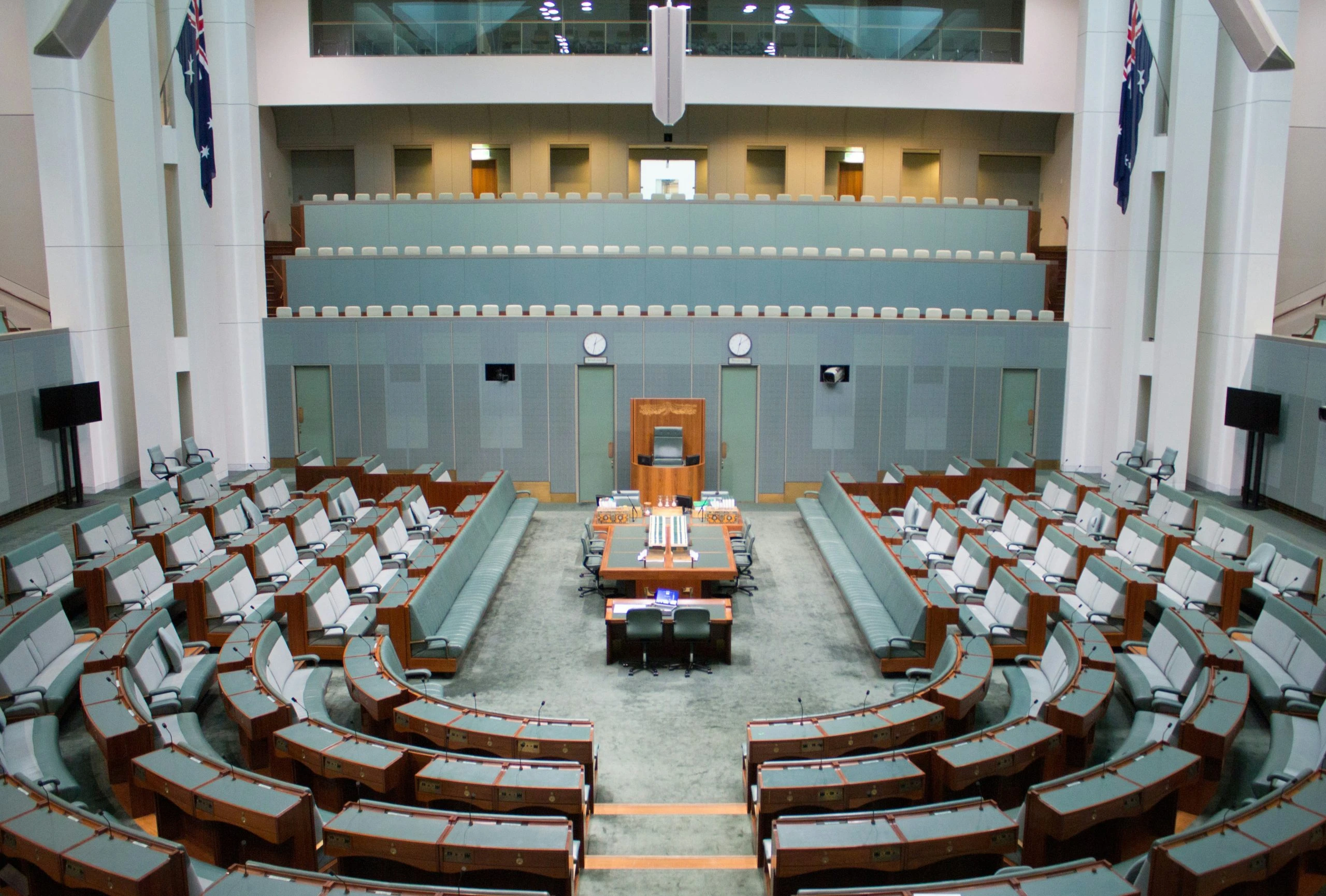
The Australian government has introduced last-minute amendments to its gambling reform bill, as a Senate inquiry delivered a critical report on the legislation on Monday night.
In Parliament on Monday, Communications Minister Anika Wells unveiled legislation aimed at establishing a national register that would allow individuals to opt out of receiving gambling promotions.
The Interactive Gambling Bill amendments, proposed a mechanism enabling Australians to register their preference to avoid exposure to gambling advertising across multiple platforms.
This initiative is part of an agreement with the opposition Coalition and aims to reduce the reach of gambling marketing, especially among children and young people.
Opt-out is on the outs?
The reforms extend to digital gambling platforms, where a “triple lock” system would be mandated before displaying promotions. This includes requiring users to have a logged-in profile, undergo age verification, and have access to an opt-out option for gambling advertising.
Streaming services such as 9Now and 7plus will be regulated under the same advertising restrictions that apply to free-to-air television.
This was, however, still not enough according to Monday’s Senate inquiry report.
The joint inquiry into these reforms received 97 submissions and featured testimonies from public health experts, gambling harm survivors, broadcasters, wagering industry representatives, regulators, and state government officials.
Experts and submitters in the report argued the opt-out approach is generally ineffective, as behavioural research indicated low rates of changing default settings. This would therefore potentially expose vulnerable users, including minors and people in recovery.
In addition, endorsements by celebrities, athletes, and social media influencers promoting gambling will be banned to curb targeted advertising tactics.
Furthermore, the ACMA gains authority to direct online content services to introduce or display opt-out and related features, with penalties for non-compliance within a 30-day timeframe.
Curbing wagering ads by another hour
Wells also extended the pre-match blackout period for wagering advertisements around live sports events from five minutes to 15 minutes.
Additionally, the daily broadcast prohibition on wagering ads has been moved forwards by one hour, starting at 5.00am instead of 6.00am, effectively restricting such advertising for a 15.5-hour window until 8.30pm.
The Senate report however noted evidence that many children continue to watch live sports events past this 8.30pm watershed and so would still have access.
No more commissions
In addition, wagering providers will no longer provide commissions, bonuses or other performance-linked payments to employees, agents, or third parties if these payments relate to acquiring, reactivating, retaining or managing customers.
This followed the Senate inquiry that revealed inducements offered by bookmakers, including cash payments, were targeted at high rollers.
As cited in the inquiry, former rugby league player Luke Bateman expressed that betting companies encourage players to spend more through ‘clearly harmful activity’
“Before getting there, your VIP manager would go: ‘Hey, mate, what drugs do you want? Do you want a couple of bags for this weekend? We’ll organise that for you. We’ll have that ready for you when you get here’. “
Breaches attract civil penalties of up to 1,000 penalty units, with an anti-avoidance clause imposing fines up to 7,500 penalty units for attempts to circumvent these rules.
Notably, this anti-avoidance provision operates extraterritorially, capturing offshore schemes.
Past political problems
Despite these advances, the legislation stops short of imposing a total ban on gambling advertising, as recommended in the 2023 parliamentary report You Win Some, You Lose More.
In the Senate’s recent report, some argued that only a full advertising ban would effectively reduce demand.
Back in 2024, the Green Party actually filed a blanket gambling ad ban to the Senate in October of 2024.
“Such a ban has been recommended time and time again by experts and there is wide public support. It is what the community expects,” the bill read.
Opposition continues
The bill has not been without its opposition however, with Responsible Wagering Australia (RWA) expressing disappointment that the reforms will push players “into the hands of criminal cartels running illegal offshore gambling sites”.
RWA CEO Kai Cantwell put specific emphasis on the issues around the opt-out advertising register, remarking that it undermines measures such as BetStop.
“This new global opt-out system, akin to BetStop, is proposed to be designed, developed and implemented in less than four months. Betstop, which is a simpler concept, took more than four years from inception to implementation”.
What now?
As part of the published report from the Senate, the committee actually recommended the passage of two key bills but urged amendments to strengthen critical provisions aimed at reducing gambling-related harms.
The Australian Prime Minister, Albanese confirmed that the bill would indeed be passed to a third reading after the bill was agreed upon by both government and Coalition.
He described the bill as “the most significant gambling advertising reform by any Australian government ever” and emphasised that it would “increase protections for people who are most at risk of gambling harm while continuing to allow those who enjoy a bet to do so.”
“I commend the amended legislation to the House, and I’m very pleased that, after what’s been an extensive debate today, reform will move forward,” he concluded.
It is expected to be put into practice on 1 January 2027.

Kathryn Evans
Kathryn covers bitesize breaking news with a primary focus on EMEA and US legislation. A proud North Walian, fluent Welsh speaker and lifelong Wrexham FC fan – long before Hollywood came calling.