
New commission opens review into whether UK needs a new Gambling Act
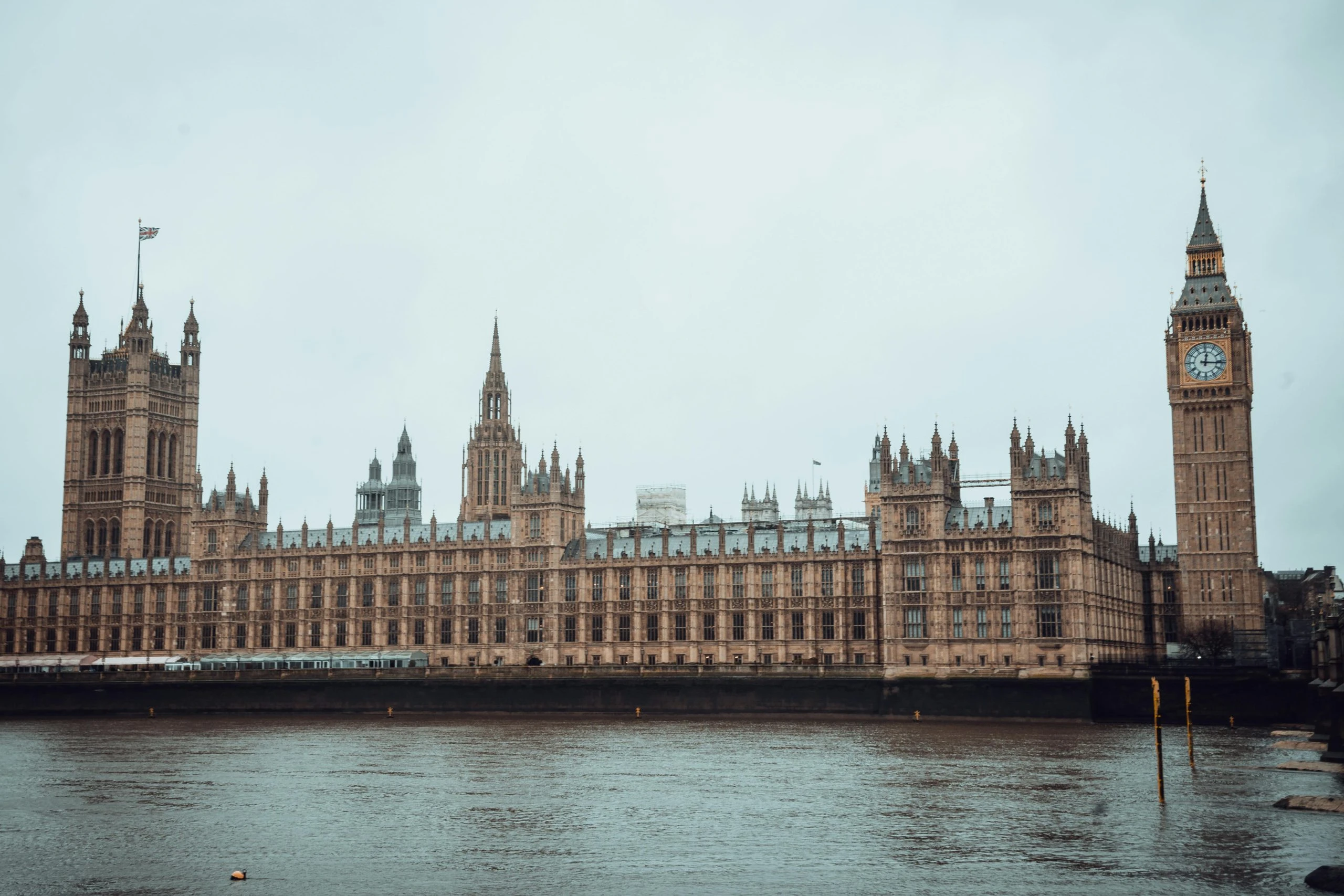
A newly formed independent commission has opened a review of gambling laws and regulation in the UK. It will ask whether the framework established by the Gambling Act 2005 remains fit for purpose or whether new legislation is needed.
The Gambling Policy Commission (GPC), whose establishment ties in with the launch of this review, has invited evidence from researchers, consumers, industry leaders, regulators and policymakers.
The review comes more than 20 years after the Act was passed. The Act remains the main statutory framework for commercial gambling in Great Britain. It established the Gambling Commission, the licensing objectives and the system for regulating operators.
A new Gambling Act?
The commission will consider the case for a new Gambling Act, including whether current rules can adapt to prediction markets, artificial intelligence, cryptocurrencies and gambling-like features in digital products.
Will Hutton, president of the Academy of Social Sciences, said the growth of prediction markets showed how technology was challenging the existing framework. “Everything from consumer protection to appropriate tax policies need urgent review,” he said.
It will also examine the boundary between gambling and financial activity, and how regulators should respond to products that cross between sectors.
The review follows the Government’s 2023 Gambling White Paper, which set out a programme of sector reforms. The commission intends to assess the effects of those reforms, including whether they have produced measurable results and whether they were proportionate and supported by sufficient evidence.
The impact of taxation
Taxation will form a central part of the inquiry. The commission will examine how recent changes to gambling duties affect operators and consumers. It will also consider how taxation interacts with other policy measures, including the statutory levy for gambling research, prevention and treatment.
The sector’s economic contribution will be part of that assessment.
The Department for Culture, Media and Sport estimates gambling contributed £5 billion to UK gross value added in 2024 and supported about 75,000 jobs in 2025. HM Revenue & Customs recorded £3.9 billion in betting and gaming duties in the 2025/26 financial year, while the Office for Budget Responsibility expects receipts to continue rising.
The commission noted, however, that gambling’s contribution to gross value added is the lowest among DCMS sectors.
Just last month, the UK government raised Machine Games Duty (MGD) by 5% to 25% in its Autumn Budget. The money, according to the Chancellor, will pay for greater support for high streets, including business rate relief for high street businesses.
Assessing the effectiveness of enforcement
The commission will investigate the scale of illicit gambling, including offshore and unlicensed activity, and why consumers may use it. It is seeking evidence on the effectiveness of enforcement involving payments, websites, search engines, social media and app stores.
It will also consider whether some forms of remote gaming should continue to be offered through conventional commercial licences, or whether alternative models, including restricted licensing or public provision, should be examined.
A Gambling Commission survey published last week found that 2.5% of adults in Great Britain who had gambled online in the previous year used an illegal gambling website in the four weeks before being surveyed. This was out of 14,257 online survey respondents and 3,569 people who had gambled online in the previous year.
This number was questioned by Gambling Compliance International (GCI) president Ismail Vali.
“The percentage of people reporting illegal gambling is not the percentage of gambling revenue captured by crime,” Vali said. “A relatively small audience, particularly one concentrated around vulnerable, repeat or high-value gambling behaviours, can generate substantial criminal revenue.”
Gambling-related harm is another major focus. The commission will review evidence on its scale, causes and distribution, as well as the effectiveness and costs of existing interventions. It will also assess how the new statutory levy is supporting research, prevention and treatment.
The inquiry will consider whether future reform of the Act should allow civil liability for gambling-related harm. The commission says evidence on harm has often been contested, making policy decisions, treatment provision and questions of legal responsibility more difficult.
Should there be a Sports Betting Levy?
The relationship between betting and sport will also be reviewed, with particular attention to British horseracing, which has established statutory arrangements and close economic ties with betting. The commission will consider whether sports should have economic rights over betting on their events, and whether part of the General Betting Duty should be replaced by a statutory Sports Betting Levy.
Another objective is to assess whether gambling policy is sufficiently coordinated across government. The commission will examine whether current arrangements lead to overlaps or conflicting approaches, and whether a more formal cross-government structure is needed.
The call for evidence closes on 12 February 2027. Evidence gathering and commissioned research are expected to continue through 2027, with the final report planned for 2028.
A quarter of a century since previous review
The commission is chaired by Chadha, with Professor James Reade of the University of Reading as chief economist. Its members include economists, legal and public-policy specialists, academics, and people with experience in sport and regulation.
Commission chair Professor Jagjit Chadha, an economist at the University of Cambridge, said the last comprehensive independent review of gambling legislation had taken place about a quarter of a century ago.
“Since then, both the gambling market and the wider technological environment have changed considerably,” he said. “Our purpose is to examine the evidence carefully and independently: to understand how the existing framework has operated, assess the impact of more recent reforms, and consider what legislative and regulatory framework will be appropriate for the years ahead.”

Kathryn Evans
Kathryn covers bitesize breaking news with a primary focus on EMEA and US legislation. A proud North Walian, fluent Welsh speaker and lifelong Wrexham FC fan – long before Hollywood came calling.