
Africa Summit at iGB L!VE 2026: Experts unpack tax, localisation and growth
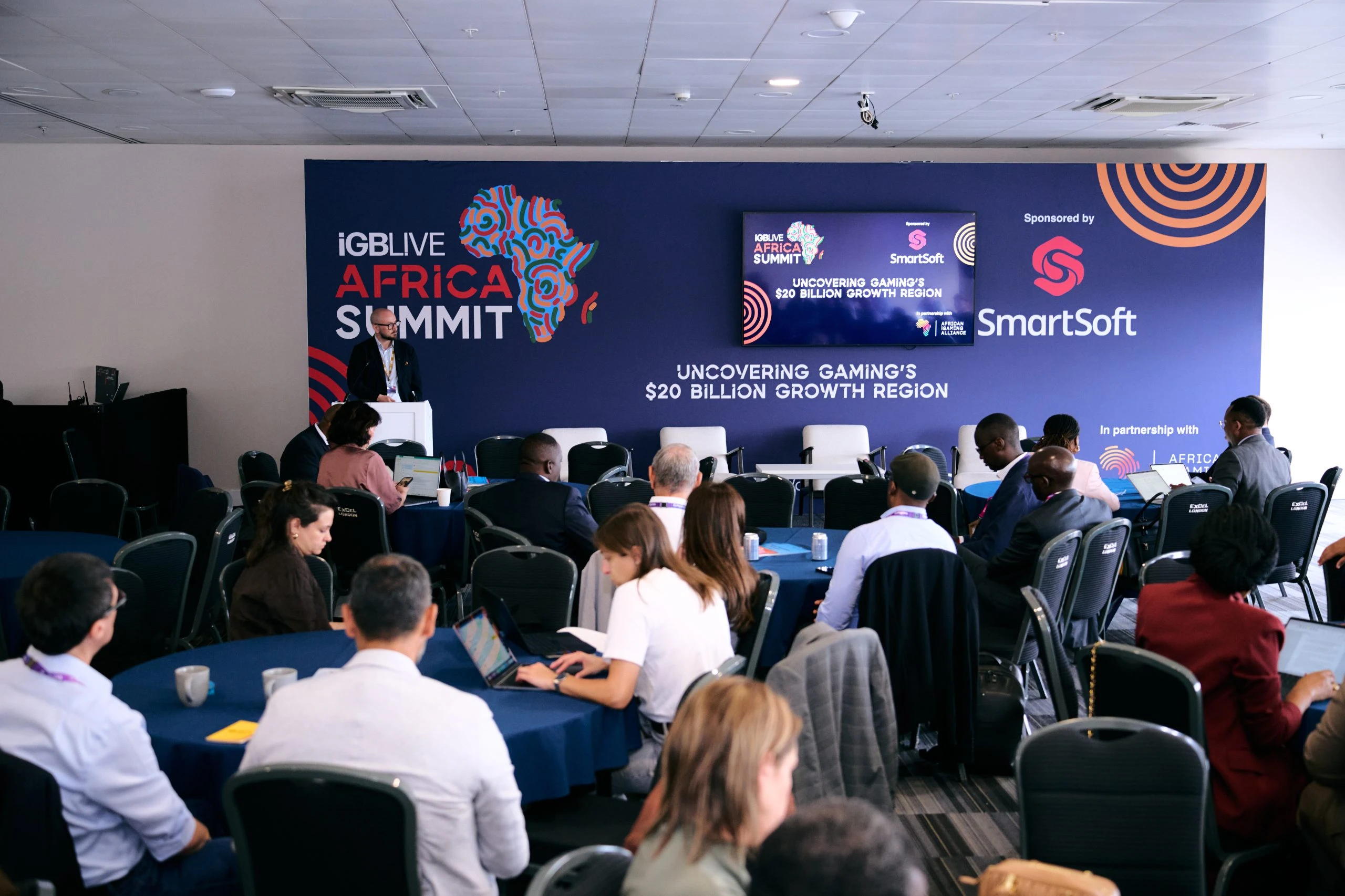
Panel discussions ranged from the importance of localisation, collaboration among the sector and payments, as well as the future of sports betting and the fight against the illegal market.
Panel 1 – Towards Cooperative African Gaming Markets: Enabling Growth through Best Practice
The first panel of the day, moderated by iGamingBusiness’ Global Content Director Robin Harrison, featured the South African National Gambling Board CEO Lungile Dukwana, Lagos State Lotteries and Gaming Authority CEO Bashir Are and Olabimpe Akingba, head of responsible gaming at pawaTech.
The discussion focused on regional harmonisation, regulatory cooperation and balanced taxation within Africa’s gaming sector.
Akingba emphasised that operators must stay flexible because “there’s really no one size fit all” across the continent.
The panellists advocated for collaborative regional networks on low-hanging fruit. Dukwana suggested the simplest route to harmonisation is “sharing the standards on the simpler issues like consumer protection.”
The speakers warned that overly aggressive fiscal policies are counterproductive, with Are pointing out: “When you have a regime in which the taxes are very high, the market will not survive.”
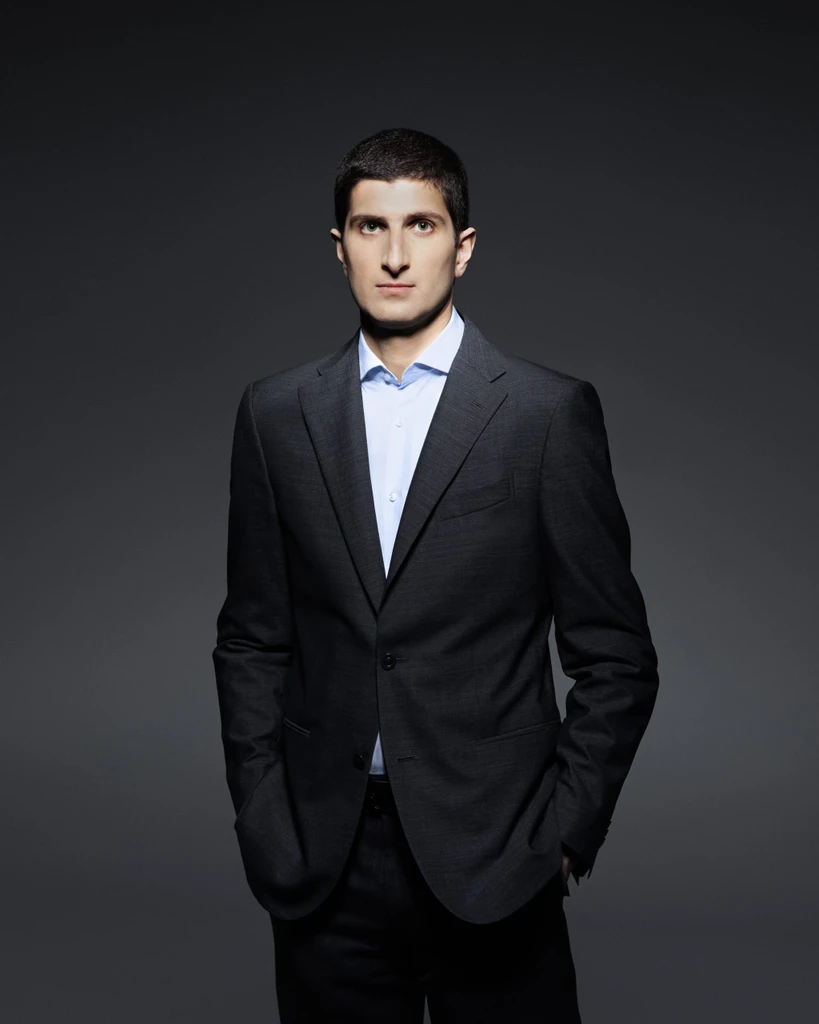
SmartSoft’s perspective – CEO Guga Gotsadze believes viewing Africa as a single market is the “biggest mistake” companies could make.
“Rather than building one regional strategy, we develop market specific approaches,” he told iGB. “Understanding those differences is what creates sustainable growth.”
Key quote – “Regulators, operators, we need to work together to ensure that the tax authorities, the legislative arm of government, are also knowledgeable about the industry to understand that there’s a level at which you can tax that could completely wipe out the industry.” — Olabimpe Akingba
Panel 2 – The Future of Taxation, Channelisation and Sustainable Market Growth
H2 Gambling Capital Managing Director Ed Birkin was joined by pawaTech CCO Dan Thomson and Dukwana to discuss the delicate balance between tax policy and channelisation.
Dukwana explained that local enforcement remains highly proactive, stating: “There is no illegal operator or offshore operator that should be comfortable in the South African space.”
Thomson, meanwhile, revealed that pawaTech had exited three African jurisdictions over the previous 18 months due to unviable tax rates.
“This is an industry that could grow for the next 20 years, where there’s a load of operators happy to pay significant levels of tax,” he said. “But if it’s squeeze, squeeze, squeeze, we are not NGOs, we are commercial entities. We are here to ultimately turn a profit.”
SmartSoft’s perspective – Gotsadze feels the key is transparent and balanced regulation that benefits everyone.
“It gives operators the confidence to invest, encourages responsible innovation and creates a healthier, more sustainable iGaming ecosystem where suppliers, operators, regulators and players all have aligned interests,” he said.
Key quote – “We want to make investments on a three-to-ten-year time horizon, and if we go, ‘well, I just can’t rely on the numbers for the next five years because everything could blow up’… frankly we’re just going to invest less there.” – Dan Thomson
Panel 3 – Localisation & Cultural Considerations of Adapting Global Products for Local Audiences
Next up was a discussion on how the industry should adapt to diverse African markets, led by Gaming Advisory Partners Co-Founder Lois Bright.
Bright was joined by Split the Pot CEO Christian Rajter, Virgin Bet’s South Africa General Manager Gail Odgers and Playtech’s Africa Managing Director Simon Munsamy.
Odgers emphasised the operational complexity of navigating multicultural demographics even within countries.
She said localisation comes “by starting and continually evolving your product based on your insights, continually updating your creative, your language, so it’s inclusive, and learning from that.”
In Rajter’s view, localisation comes from communicating with those in the market, saying: “You should listen to the players, should listen to the market, talk to the smart people that actually live there and actually will be consuming your product.”
While Munsamy said not everything needs to be localised, he advised companies to remain highly agile, warning against a one-size-fits-all strategy.
SmartSoft’s perspective – Gotsadze warned localisation should “never compromise product quality or identity”.
Gotsadze said: “Our objective is to preserve the core experience that players enjoy while making it feel more relevant to the local audience.”
Key quote – “Before you even soft launch, make sure that your product is fit for market, fit for purpose, and then get insights to deliver that valuable data so that you can develop and further localise your product.” – Gail Odgers
Panel 4 – Cracking African Payments: Mobile Money, KYC, AML and the Compliance Puzzle
The penultimate panel centred on payments and the transformative role of mobile money in African gambling.
The panel was chaired by Africa Gaming Expo CEO Charles Ekundayo, who was joined by Super Group’s Head of Regulatory Affairs and Licensing Anthony Prissman, Ugandan National Lotteries and Gaming Regulatory Board CEO Denis Mudene Ngabirano and Conor O’Donovan, Africa partner at Tekkorp Capital.
Prissman started by detailing how mobile money had “changed the dynamic of transactions” for Africa.
The trust that came with mobile money was key, with Prissman explaining: “If you’re not trusted, no one’s going to come and bet with you.”
However, O’Donovan highlighted some drawbacks with the rise of mobile money.
He noted while in certain markets it’s a cost-efficient payment channel, this isn’t always the case.
Ngabirano also shared that Uganda’s high gambling age threshold of 25 inadvertently pushed youth into the black market, prompting a shift toward risk-based KYC onboarding.
On the idea of pan-African KYC technology, Prissman said: “That idea is a long way away.”
SmartSoft’s perspective – Gotsadze pointed to digital payments becoming more accessible as a key reason behind Africa’s huge growth potential.
Key quote – “If you get your payments, your AML, your KYC right, you build a successful business, because ultimately you reduce friction.” – Anthony Prissman
Panel 5 – Sports Betting in Africa: Combining Local Passion with Product Innovation
To round out the summit, iGamingBusiness’ Emerging Markets Editor Kyle Goldsmith chaired a panel on the African sports betting landscape.
The panel featured Gaming Advisory Partners Co-Founder Martin Sack and William Scott, non-executive director at Ithuba Holdings.
Both panellists agreed that football was the main driver of sports betting growth in Africa.
The panellists also noted the importance of technology in Africa’s sports betting growth, with Sack saying: “I think it’s more about infrastructure. I think it’s more about the way payments have improved, the way infrastructure has improved, the way mobile adoption has improved. All of those things together provide growth in the sportsbook.”
Addressing sports sponsorship, Sack dismissed the notion it’s uniquely effective in Africa, labelling it an amplifier rather than a fix for structural flaws.
“If you have a bad product, you can’t put lipstick on a pig,” Sack said. “You have to back this with solid execution in your brand.”
SmartSoft’s perspective – Gotsadze echoed the importance of football in Africa, stating: “Football is unquestionably the dominant sport across most African markets.
“It is deeply embedded in everyday culture and naturally drives engagement across the entire gaming ecosystem.”
Key quote – “Sustainable engagement to me is not just about responsible gaming. For me, it’s really about creating long-term value for both the customer and the operator… building trust with fair products, CRM, fast payments and responsible gaming.” – Martin Sack