Will Lula’s gambling ban sway Brazil’s election?
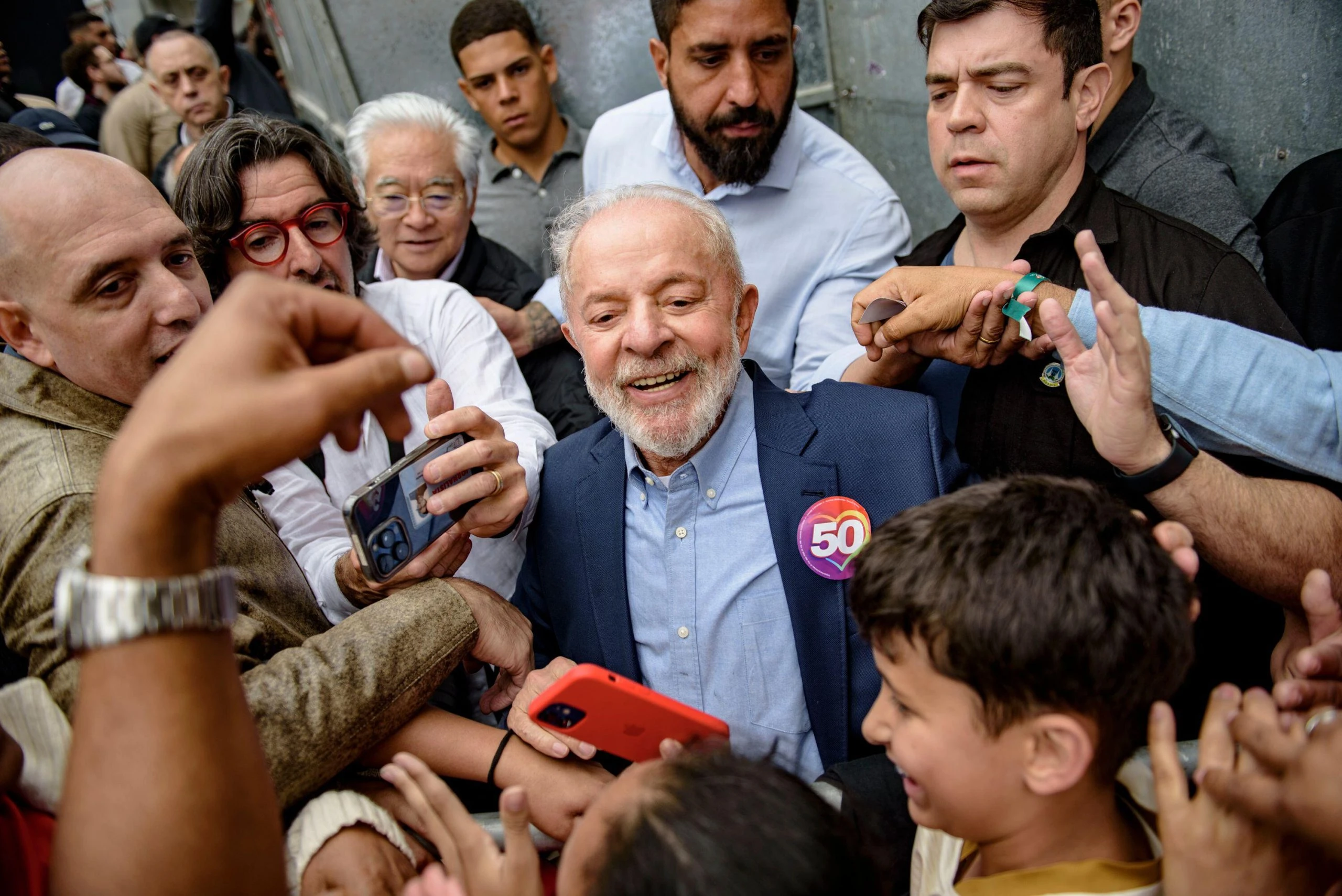
President Luiz Inácio Lula da Silva and his allies have been levelling threats at Brazil’s gambling industry for almost as long as its regulatory regime has existed, but the sudden move to entirely ban online gambling in the country through a provisional measure has nonetheless caused dismay and disorder across the sector.
Lula signed the order on 25 September. It took effect immediately but will expire within 60 days unless approved by Congress within that time, with the possibility of a further 60-day extension. Operators have expressed their intentions to challenge the order through legal routes, with trade bodies already bringing action to the Supreme Court.
The timing of the measure is completely populist
— Bruno Centurion, political analyst, Fatto Inteligência Política
Needless to say, the ban comes with dire consequences. Brazil’s regulated market is, or was, worth approximately $7.7 billion according to H2 Gambling Capital data. The sector is estimated to employ approximately 15,000 people directly and indirectly, and government data shows it generated $1.87 billion in federal tax revenue from January through to August this year. Brazilian football clubs have also been vocal about the effect lost gambling sponsorship revenue will have on the country’s league and scene.
“From a business perspective, this puts Brazil in a bit of a bad light because when there is no certainty, the businesses are not going to flow in,” Blokotech co-founder Alberto Alfieri tells iGB. “There was not much thinking about the consequences.”
The gambling ban has been widely interpreted inside the industry as a cynically populist move to court voters in the crucial final days in a tight presidential election campaign between President Lula and his political opponent Flávio Bolsonaro.
First-round voting results: Bolsonaro has all the momentum
Since no candidate received over 50% of the vote outright in Brazil’s presidential election, a second round runoff election takes place between the two top placed candidates. Despite polls projecting a clear lead for Lula in round one, Bolsonaro won 47% of the votes to Lula’s 45%, giving him the momentum going into the runoff election on 25 October.
“I think it’s a bit of a political move by the president with nine days to the election,” adds Alejandro Navarro, founder of Panama-based operator Betski.
Bruno Centurion, a partner at Brazilian political analysis firm Fatto Inteligência Política, tells iGB that it is slightly more complicated than that. “The measure by itself is not populist, but the timing of the measure is completely populist.”
He points out that such a measure has been in discussion within Brazilian politics for years, is underpinned by genuine (if highly contested) arguments, and enjoys public support. But Lula’s decision to pull the trigger just one week before the election, he says, is certainly designed to maximise short-term political gain.
Gambling ban proves popular domestically
The ban may have been a political gambit, but it was not a blind bet. Public support for banning gambling appears to be high in Brazil.
Research conducted by AtlasIntel and Bloomberg shortly before the ban was announced by Lula found that 75% of the public agreed with banning gambling while only 17% supported legalisation. An overwhelming 88.5% believed legalised gambling to be harmful to society, the research found.
Post-announcement, in the context of the polarised race between Lula and Bolsonaro, support for Lula’s ban was slightly weaker but still substantial. Surveying conducted by polling firm Quaest after the provisional order was published found 62% of Brazilians supported the gambling ban, compared to 38% who disagreed with it.
Of those figures, 40% had heard about the ban and supported it while 22% had not heard of it but supported it; meanwhile, 28% had heard about the ban and disagreed with it, while 10% had not heard the news but disagreed with it.
That being said, AtlasIntel’s research also found 36% of people placed responsibility for the spread of gambling in Brazil on Lula, while only 25% saw Bolsonaro as responsible and 16% saw the National Congress as responsible.
Brazil's gambling ban, at a glance
It has been a frantic week since Lula’s provisional order banning online gambling. Here are the main developing stories ahead of the pivotal election.
Two industry trade bodies filed a claim with Brazil’s Supreme Court to get the ban overturned. In response, the attorney general’s office has asked the court for 72 hours to respond to the legal challenge.
After asking for more time to respond to the industry’s legal challenge to the ban, the attorney general’s office has itself filed claim against 17 betting companies for public health damages stemming from betting.
Hundreds of new illegal gambling sites were created within just a few days of Lula’s provisional order banning gambling. Over 500 have been taken down, the Ministries of Justice and Finance said.
As they scramble to work out impact on revenue and long-term plans, the industry claims it will fight the ban through the courts.
Women, Catholics, low-income voters are target demographic
Bruno Centurion says the ban must be understood within the broader context of the wider package of policy proposals by Lula in recent weeks, which include a landmark 15% increase in the value of the Bolsa Família family welfare benefit, free obesity jabs and other promises.
The popularity of Lula’s government has been heavily impacted by the cost of living, and while gambling cannot be fully blamed for that, it is viewed within the country as having absorbed the spending power of many households.
Taken together, the measures may make a compelling case that Lula is tackling the cost of living. “When you put all these measures in a basket, it can change the vote,” he says. “Or maybe not change the vote, but it’s going to make some undecided people decide.”
The Quaest poll appears to back up Centurion’s theory. In an X thread Quaest director Felipe Nunes said the increase in Lula’s polling numbers among women, low-income voters and welfare benefit recipients appears to be associated with the package of measures the government announced in recent weeks.
Quaest’s data showed support for the gambling ban among women, Catholics and low-income voters in particular, although higher-income voters also surprisingly backed the ban.
When you put all these measures in a basket, it can change the vote
— Bruno Centurion, political analyst, Fatto Inteligência Política
More broadly, recent policy pledges have also achieved a subtler goal for Lula. News coverage in recent weeks had been defined by largely negative coverage for Lula’s government around corruption and the economy.
“A lot of small [anti-Lula] things were coming together and making the front main page of the news,” Centurion explains. “We have the news talking about negative stuff about Brazil, the system, the corruption and things directly related to the president, even if it’s not the president’s fault.”
The gambling ban, and other electoral promises, have acted to flip the media narrative in Lula’s favour by moving the conversation on to popular policy announcements.
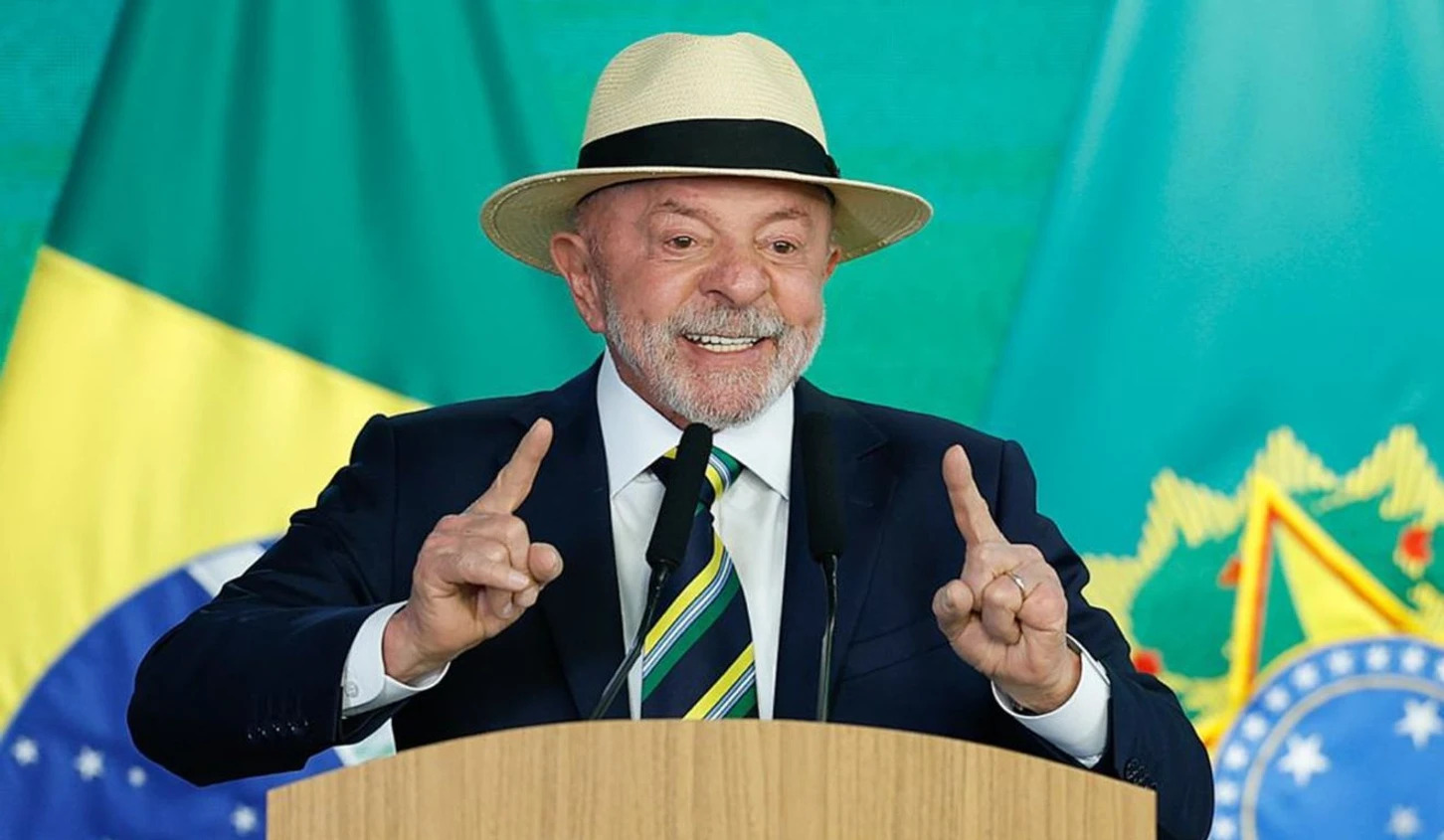
Is the gambling ban affecting the presidential election race?
Polls conducted after the gambling ban announcement showed Lula with a slight lead or statistically tied in a second-round runoff election with Bolsonaro. Lula’s polling numbers appeared to show a slight improvement compared to before his ban was announced.
However, despite a clear lead in first-round election polling, Lula suffered a surprise loss to Bolsonaro in the first round of voting on 4 October. If the ban did have a positive impact for Lula, it did not do enough to save him from a poorer than expected performance.
The election now moves to a head-to-head runoff election on 25 October. Given the eliminated candidates from the first round predominantly lean right, Bolsonaro has all the momentum going into the head-to-head runoff on 25 October.
News may still be travelling of the gambling ban and its impact could still help Lula going into the runoff election amongst key voter groups, especially given Bolsonaro has criticised the gambling ban, albeit cautiously.
However, Centurion notes that with such a stark contrast in visions for the country offered by the two candidates, it is difficult to distil the impact of any one policy announcement on its own. “I don’t think it is this decision [the gambling ban] that’s going to be the main factor for people to change or decide their votes – but it is part of the decision,” he says.
Most importantly, it is appealing to the key demographics that both candidates need to win – women (particularly poorer women) and religious voters, in the south east (covering populous regions like São Paulo and Rio de Janeiro).
On the flip side, Lula could also face negative backlash from people affected by the ban. 15,000 jobs is a lot of angry voters, and nearly $2 billion in lost tax revenue will make for a lot of angry budget balancers – although Brazil is a big and populous country.
Prediction markets still favour Bolsonaro
Prediction markets, meanwhile, put Bolsonaro firmly in front. Initial figures showed little to no impact on election outcome probabilities around the time of the ban. Lula’s chances rose slightly on major platforms after his polling improved in the subsequent days, though have plummeted since he lost the first round of voting.
As of 5 October, Polymarket and Kalshi markets for presidential election winners give Bolsonaro an 84% and 83% chance respectively of winning, compared to 17% each for Lula. Bolsonaro’s chances of winning the presidency have jumped around 20 percentage points on the platforms compared to the day before voting started.
But Centurion cautions not to read too far into the prediction markets’ current forecasts. He says prediction markets – which are illegal and blocked within the country – are not as prominent in Brazil and the markets tend to be dominated by financial firms who have their own biases.
Before the first round of voting took place, he put the election outcome odds at 55%-45% in Lula’s favour, although he said he wouldn’t be surprised by any outcome.
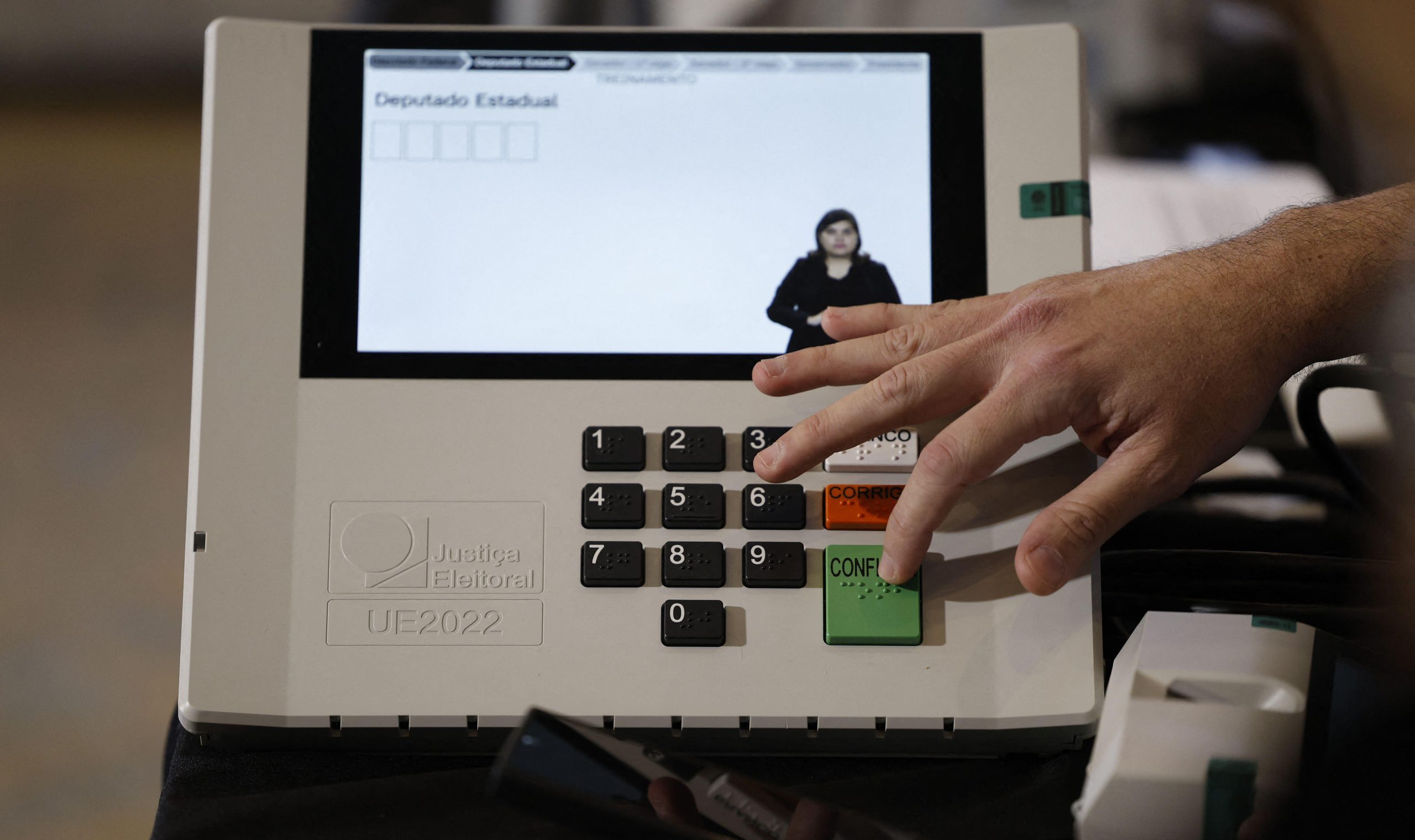
Bolsonaro seen as more gambling-friendly
An outcome where Bolsonaro wins the presidency is viewed as more favourable to industry than a Lula win. Experts told iGB in March that a right-wing government in Brazil would be preferred by operators.
Indeed, in response to Lula’s provisional order Bolsonaro labelled the measure “populist, hypocritical and politically motivated” at a campaign rally, Reuters reported. Bolsonaro has told local journalists that he would keep fixed-odds betting legal but keep casino banned.
“Flavio Bolsonaro is going to be more permissive,” says Centurion – although a Bolsonaro win does not necessarily give the all-clear for re-legalisation.
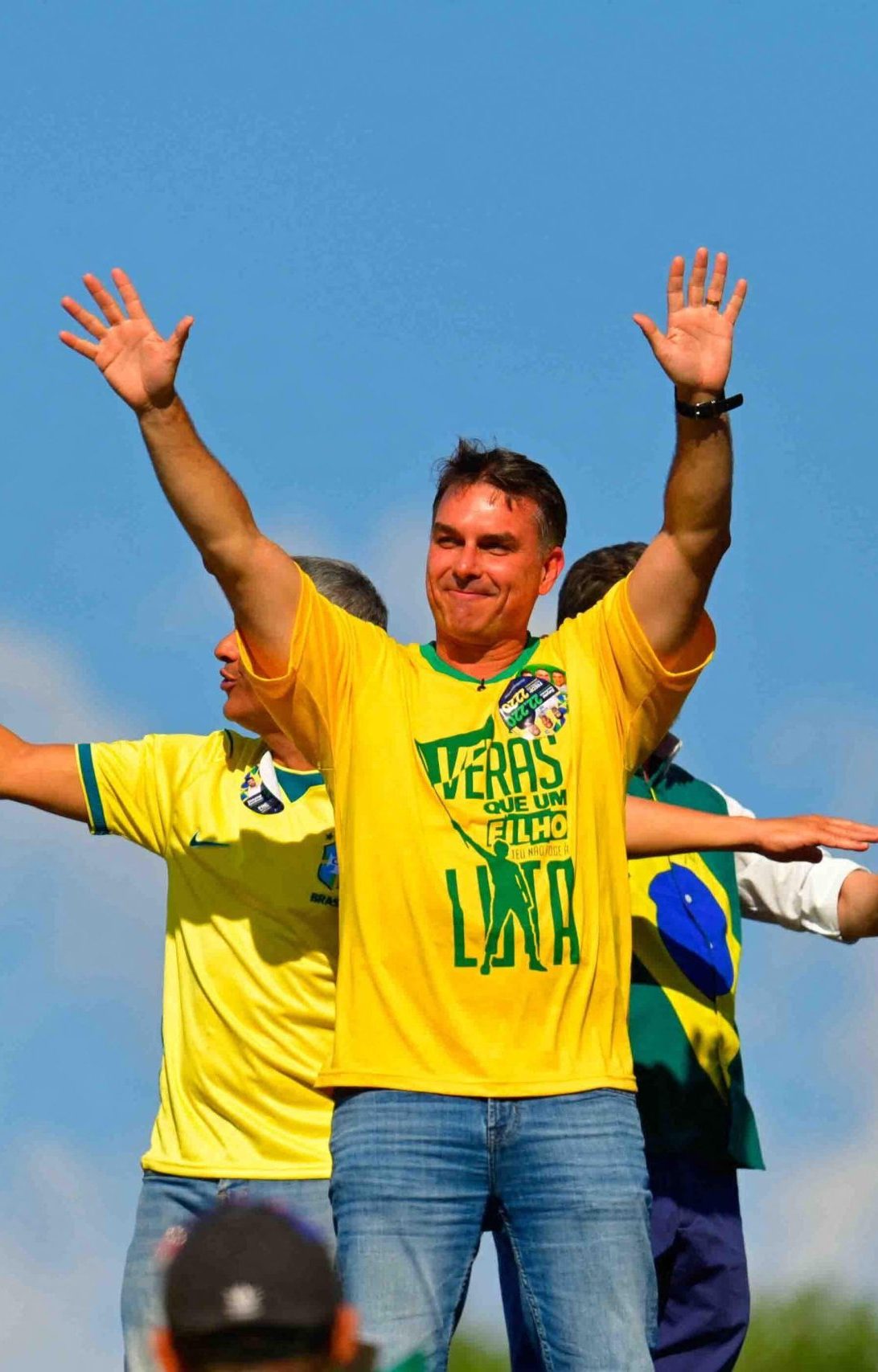
Brazil’s National Congress, whose members are also being elected on Sunday, holds significant power, arguably more than the presidency itself. Within Congress sits a strong religious group that has been responsible for blocking matters relating to tobacco, alcohol and gambling in the past.
What happens next “also depends on the construction of our Congress,” Centurion notes. Right-wing parties, which form the bulk of the evangelical voting bloc, performed well in Sunday’s congressional election, according to the FT.
Former BBC LatAm correspondent Andrew Thompson also told iGB in March that the evangelical community, which has close ties to conservative politicians, poses complications for a right-wing government given its staunch anti-gambling position.
What happens next?
Centurion predicts that a Lula win would see a strong fight against full re-legalisation by the left-wing veteran politician.
“Lula is going to fight against any kind of legalisation, but he is going to be open to listening to problems from the industry, especially regarding jobs, [especially because] the economy ministry is really concerned about the taxes,” he adds.
Meanwhile, under a Bolsonaro presidency, it would depend more on the outcome of the Congressional election and the extent to which its religious voting bloc can influence the right-wing leader.
You pay $5 million for a licence… and a president can come from one day to another and make a decision [to shut you down]
— Alejandro Navarro, CEO, Betski
With either candidate, the industry should expect a tough fight ahead, especially to return to the status quo ante of full legalisation. Going forward we may see advertising restrictions or bans, or potentially see betting permitted but casino banned, Centurion says.
Whatever happens, even if we see a full reversal, many believe irrevocable damage has been done that will affect trust in Brazil’s gambling industry and business sector more broadly.
“You pay $5 million for a licence for a five-year term, and you expect to be able to operate and get the ROI on that, and a president can come from one day to another and make a decision like this,” Betski’s Alejandro Navarro reflects. “I think it’s got to have a big impact.”
Lula's gambling ban: How did we get here?
While the provisional order outright banning gambling overnight came as a surprise, President Lula has been sounding off about the dangers of online gambling for months, with increasing ferocity. We’ve put together a timeline of his evolving threats throughout the year.
- March 8th: Lula calls for online gamlbing ban in International Womans Day speech
- April 14th: 65 of Lula’s lawmakers introduce bill banning iGaming in Brazil
- May 28th: In a TV interview, Lula pledges to ban gambling in his reelection campaign
- August 20th: Lula calls gambling “scourge of lies” as he ramps up criticism of the sector on the campaign trail. Anti-gambling rhetoric has firmly become part of his campaign narrative
- September 7th: CNN reports Lula is preparing measures to tighten advertising restrictions and ban online casino
- September 13th: Lula again threatens to ban online betting, blaming it for mounting social problems and questioning whether authorities are doing enough to protect vulnerable gamblers.
- September 17th: Brazilian football clubs launch manifesto titled 'The End of Brazilian Football', opposing a potential ban in response to Lula's growing threats.
- September 19th: Lula steps up attacks on bookmakers in the final stretch of his reelection campaign, He called it a "disease" and again argued it led to indebtedness, compulsive behaviour and 'distorted' relationships in football.
- September 23rd: Lula says he'd "take great pleasure in putting an end to the betting sites." Reports suggest Lula will announce some restrictive measures but their extent is not known.
- September 25th: A complete ban on online gambling is announced by Lula alongside a provisional measure which takes effect immediately.
Editor’s note: This article was initially published on 2 October. It was updated on 5 October to include the results of the first round of voting in Brazil’s presidential election.