
Remote operator agrees to pay £900,000 over withdrawal delays as GC hones in on ‘consumer trust’
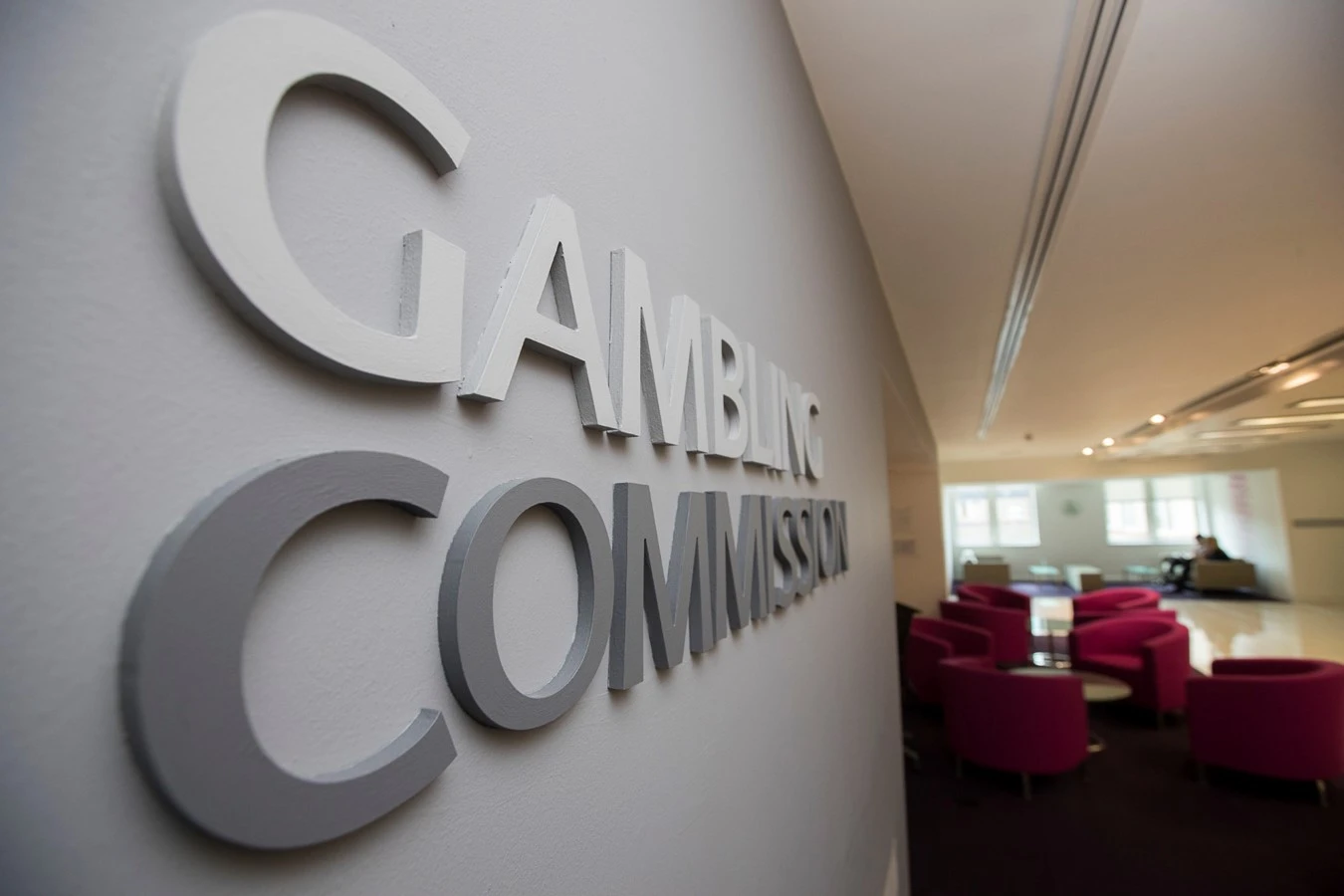
On Wednesday, operator L & L Europe Limited has agreed to make a payment of £900,000 ($1.2 million) to the UK Gambling Commission following an extensive regulatory review that uncovered multiple failings.
These included practices that unlawfully delayed customer withdrawals, insufficient anti-money laundering (AML) controls, and inadequate protections for vulnerable gamblers.
The Gambling Commission initiated its compliance assessment of L & L Europe’s remote operating licence (No. 038758) , which covers seven gambling sites such as allbritishcasino.com, casinocasino.com, and hypercasino.com , after identifying concerns during an audit.
The breaches occurred between October 2024 and October 2025.
Withdrawal restrictions and unfair terms
The Commission criticised L & L Europe for a clause in its terms and conditions allowing only “one withdrawal at any time,” which required customers to await authorisation of a previous withdrawal before submitting another request.
The regulator ruled this clause “unfair within the meaning of the Consumer Rights Act 2015.”
Further, a manual review process was applied irregularly, with some customers having every fifth or tenth withdrawal scrutinised. This resulted in customers being asked for additional, sometimes untimely, information at withdrawal rather than earlier in the process.
Sue Young, executive director of operations at the Gambling Commission, commented,
“As a regulator we expect consumers to be treated fairly. A basic expectation is that when you have winnings you can withdraw those swiftly without hindrance from unfair terms and conditions or the operator failing to carry out checks at an earlier stage.”
Young emphasized the regulator’s wishes for protecting consumer trust as well as any anti-money laundering breaches.
“That is essential to consumer trust… We hope this case sends a clear reminder to the industry that, although much of our enforcement action frequently relates to anti-money laundering and social responsibility failings, we will not hesitate to act when we see incidents of gambling not being fair and open.”
AML failures
The review exposed significant weaknesses in L & L Europe’s AML and counter-terrorist financing controls. These included an over-reliance on financial thresholds and sampling for risk assessment. This resulted in unclear risk scoring and insufficient differentiation of UK-based customers from others.
Additionally, there existed inadequate policies addressing disproportionate spending and insufficient mitigation of risks presented by high-spending customers.
Customer due diligence procedures were not followed. This included acceptance of a customer’s source of funds without adequate evidence.
These shortcomings breached Licence Condition 12.1.1, which mandated appropriate risk assessment and implementation and review of AML controls.
Safer-gambling failures
The Commission found that L & L Europe’s protections for vulnerable customers were lacking.
Safer-gambling alerts were mostly tied to financial thresholds and inconsistently applied across sites, requiring multiple indicators within a single day to trigger action.
The system also had sparse automated responses to “strong indicators of harm,” with only one such indicator (losses within 24 hours) in use during the assessment.
Manual reviews were often minimal and failed to assess the impact of earlier interventions properly. No comprehensive evaluation process was in place for the effectiveness of the overall customer-interaction strategy.
Concrete cases highlighted by the regulator included a customer with 84 failed deposits in seven days going unflagged. It also included a 21-year-old who lost £6,500 in three days without timely intervention. An 18-year-old who lost £4,000 in eight minutes with inadequate safeguards.
A repetition of failures
Instead of a formal fine, L & L Europe agreed to pay £900,000 to the consolidated fund, along with covering investigation costs.
The Commission noted aggravating factors such as the seriousness and repetition of failings previously flagged to the industry, alongside mitigating factors including the operator’s cooperation, prompt remedial action, and early acceptance of the regulator’s findings.
The Gambling Commission has also promised a crackdown on land-based AML failures, with the Rank Group agreeing to pay a financial settlement exceeding £5 million earlier this month.

Kathryn Evans
Kathryn covers bitesize breaking news with a primary focus on EMEA and US legislation. A proud North Walian, fluent Welsh speaker and lifelong Wrexham FC fan – long before Hollywood came calling.