
Betting ban could cost Brazilian football clubs BRL2 billion, CBF warns
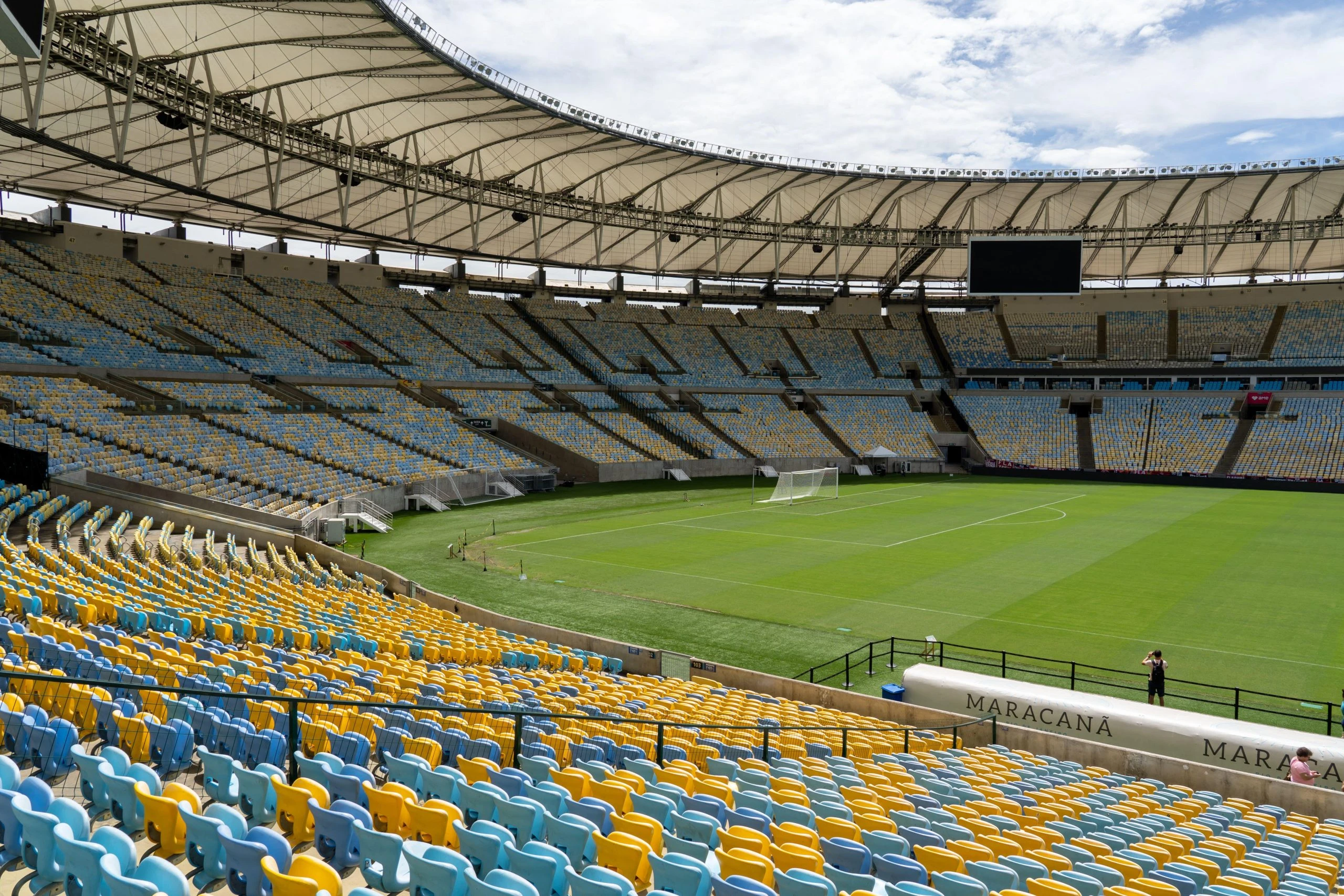
On Tuesday, the Brazilian Football Confederation (CBF) held its fifth meeting in Rio de Janeiro with representatives from Série A and Série B clubs of the Campeonato Brasileiro.
One of the key topics was the ban on betting platforms enacted by the federal government through a provisional measure. At the meeting, the CBF warned that the restriction could result in approximately BRL420 million ($71 million) in lost revenue in 2027. That amount accounts for 16% of the confederation’s projected budget for the year. Factoring in 2026 contracts and projections through 2030, the cumulative financial hit could exceed BRL2 billion.
The confederation’s budget, approved in early 2026, had already projected a BRL270 million deficit. With the betting ban now in place, that shortfall is expected to widen further. The CBF also reported that BRL215 million expected from this year’s contracts will not be collected in full.
According to the CBF’s assessment, the fallout from the betting ban extends beyond the departure of sponsors. The governing body warned that advertising market rates are likely to decline as betting money exits the ecosystem. The CBF itself is taking a direct hit in both the Copa do Brasil and the Campeonato Brasileiro. Betano, which held the naming rights to both competitions, had been paying between BRL150 million and BRL200 million per year.
Cuts have already begun
The first cost-cutting move, announced earlier this week, was the suspension of the Copa Sul-Sudeste. The state federations of São Paulo, Minas Gerais, Rio de Janeiro, Paraná, Santa Catarina, and Rio Grande do Sul have already been notified that the tournament will not be held in 2027.
The CBF now faces the challenge of securing new sponsorships to offset part of the lost Betano revenue. Another revenue stream that has dried up involves other pitch-side commercial assets, such as perimeter advertising boards. The confederation had previously stated that only three of its properties operate at a surplus. The Brazilian National Team did not have a betting sponsor and was unaffected by the Provisional Measure. The other two profitable properties, however, are precisely the Copa do Brasil and the Campeonato Brasileiro.
During the meeting, participants discussed alternatives to mitigate the effects of Provisional Measure 1,394. The Premier League’s approach, which featured a gradual phase-out period, was cited as a reference. In 2023, England’s top flight agreed to end front-of-shirt betting sponsorships with a three-year transition window. The obstacle in Brazil is that the provisional measure outright banned betting companies, as well as all betting-related advertising and sponsorships. Unless the PM is overturned, discussing the English model is moot.