
Czech Republic bans Polymarket, mandates ISP blocking
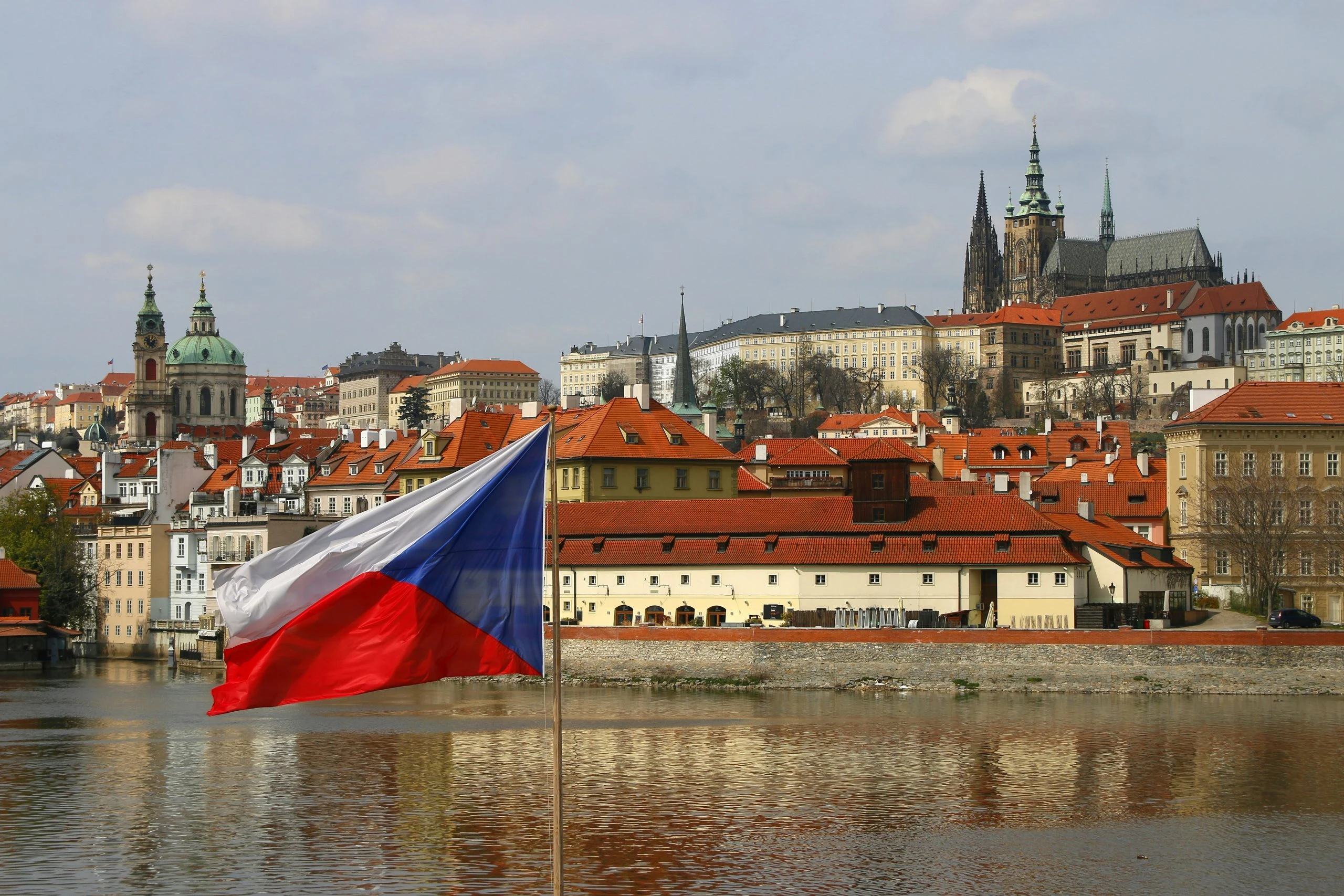
The Czech Ministry of Finance has officially placed the decentralised prediction market platform Polymarket on its list of unauthorised internet games, obliging internet service providers across the country to block access to the site within 15 days, as stipulated by national law.
Announced on Tuesday, this move signalled the Czech Republic’s alignment with a widening European regulatory trend targeting prediction markets.
In a statement the Czech Ministry of Finance confirmed that Polymarket’s offering falls under unauthorised gambling activities under Czech law.
It cited research highlighting that Polymarket is projected to handle approximately $220 billion in volume in 2025, with a monthly turnover estimated at between $10 billion and $11 billion. Such scale has prompted regulator calls for formal oversight.
What are the reasons?
Two central issues around prediction markets constituting gambling were repeatedly raised by both regulators and academics and cited by the Czech trade body the Institute for Gambling Regulation.
The ministry flagged the potential for outcome manipulation or misuse of non-public information.
Jan Řehola, director of the Institute for Gambling Regulation, emphasised that if a product functions as betting then it should be regulated as such.
“They involve betting on real-world events, often without clear accountability to the state, without standard player-protection measures and without the rules that apply to legal gambling,” he said.
He added: “If something looks like a bet, functions like a bet and allows people to win or lose money depending on the outcome of an uncertain event, we cannot stop treating it as gambling simply because it is called a contract.”
The challenges are heightened by Polymarket’s decentralised, blockchain-enabled architecture, which prioritises global access and minimal user identity verification.
Řehola insisted the move to block the vertical was “not about banning innovation” but rather “ensuring that the same rules apply to everyone who offers betting for money”.
“Player protection, the prevention of money laundering and effective market supervision must not depend on what an operator chooses to call its product,” concluded Řehola.
European regulation
In the last couple of years regulators in Germany, Belgium, Romania, Switzerland, Poland, Greece, Cyprus, Portugal, Spain and Ukraine have restricted or blocked access to Polymarket for consumers.
Notably, the Netherlands’ Kansspelautoriteit (KSA) ordered the platform to cease operations from 17 February. Polymarket was a day late complying with this deadline and is now receiving sanctions from the regulator despite filing an appeal.
According to Dutch gambling laws, both “event betting”, which includes bets on political results and other non-sport outcomes, and traditional sports betting constitute gambling activities that are subject to licensing requirements.
In June nine European regulators formed a joint initiative to crackdown on unlicensed prediction markets.
In a unified statement, the European authorities highlighted various consumer protection and market integrity risks associated with these platforms, particularly those operating without local gambling licences.

Kathryn Evans
Kathryn covers bitesize breaking news with a primary focus on EMEA and US legislation. A proud North Walian, fluent Welsh speaker and lifelong Wrexham FC fan – long before Hollywood came calling.