
Most Influential Women 2026 winners: Part 1
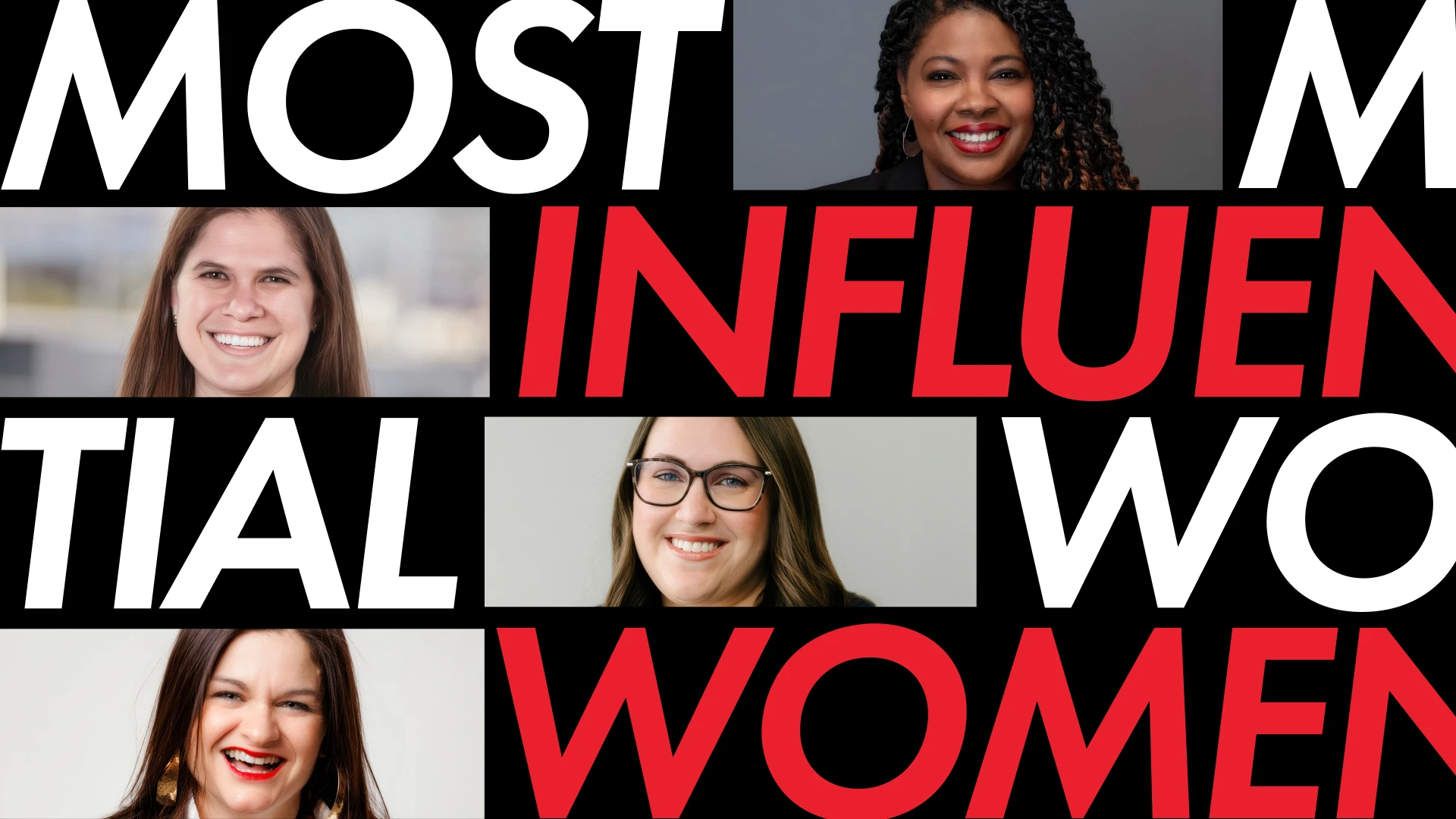
Each year, iGB’s Most Influential Women campaign offers an opportunity to recognise the breadth of contributions women make to the gaming industry and reflect on the progress they continue to drive.
Melanie Ellis, a partner at Northridge Law and one of this year’s judges, believes recognising that breadth is particularly important in areas such as compliance and product development, where greater diversity of experience and perspective can make a difference.
Having spent 20 years in gaming, Ellis has witnessed significant cultural shifts, though she believes there is still progress to be made.
While acknowledging how far the industry has come, Ellis stressed that gender parity remains some way off. She believes initiatives such as Most Influential Women are important in recognising achievement and providing entrees with sector visible role models.
“It’s very obvious at any of these conferences that the majority of attendees are still men in suits,” she told iGB. “But I think we’ve come a long way, and I think it’s really important to have initiatives like this to continue to recognise women in the sector and to provide role models for women who may be just starting out.”
Meet the first four of the 10 women recognised in iGB’s Most Influential Women 2026 campaign:
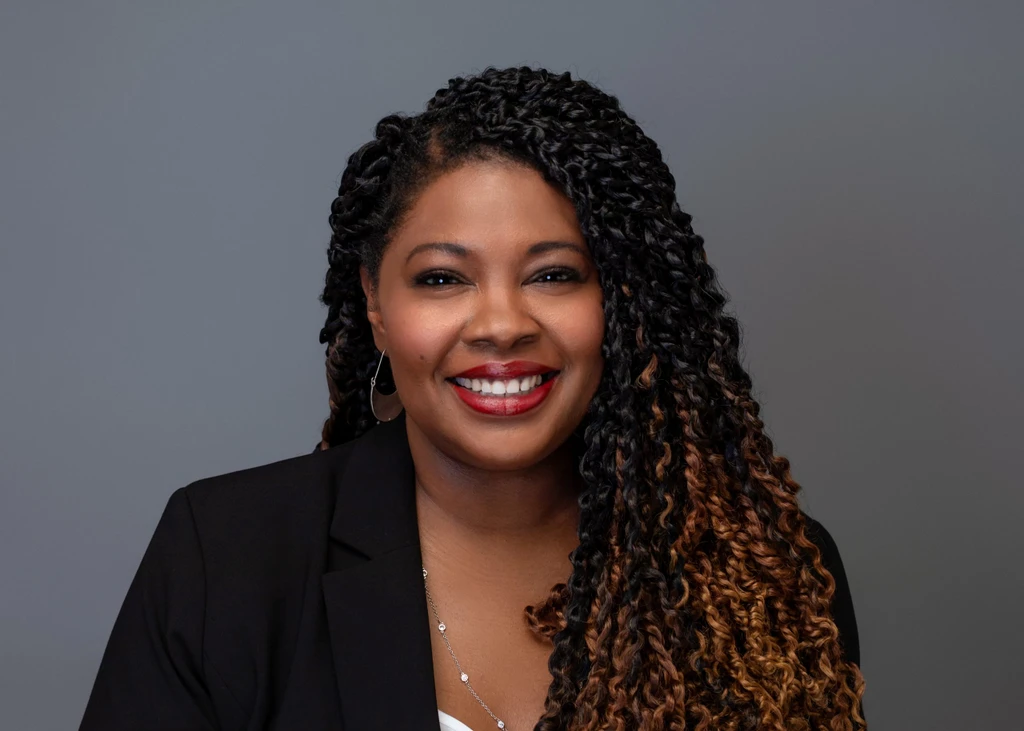
Anika Howard
President and CEO, Wondr Nation
Anika Howard, president and CEO of Wondr Nation, says the recognition that comes with a Most Influential Women listing feels “wonderful” and unexpected.
“I’ve been really heads down this year with so many amazing things that we’ve been working on,” she tells iGB. “But it feels good because I love this industry. I feel like I always say that I’ve been interactive since birth in my career.”
Howard credits an early break at Harrah’s Entertainment (now Caesars Entertainment) and their President’s Associate Programme with giving her the exposure and confidence that laid the foundations for her career.
“It gave me immediate access in ways that kind of a 20‑something year old usually doesn’t have,” she says. “I was paired with a divisional president, I worked and had access to the board of directors, I had one‑on‑ones with the CEO.
“It planted the seed in my head that anything’s possible in this industry.”
Howard became Caesars’ first interactive hire, charged with creating the company’s early player‑facing digital experiences.
She later moved between operator and supplier roles, including iLottery and supplier engagements, which she says allowed her to see the sector from different angles and to repeatedly build new functions rather than slot into pre‑existing jobs.
“Every position that I’ve entered has been a new position created because of what the technology and the industry has done,” she explains. “I’ve never stepped into something that was pre‑existing. And I’ve been able to grow as the industry has grown.”
More recently, Howard has shifted focus to tribal gaming and innovation.
As head of Wondr Nation, the Mashantucket Pequot Tribal Nation’s interactive and innovation arm, she sees the tribal sector as an evolving market full of opportunity.
“Tribal gaming is an emerging market,” she says. “From leading marketing on Foxwoods to now leading Wondr Nation has been just a really exciting opportunity for me to take my passions and turn them into action.”
Howard is positioning Wondr Nation as both a product and talent engine for the broader industry.
Her immediate priorities include opening a Wondr Nation innovation centre, a 10,000‑sq‑ft facility due to launch in November.
The centre, she says, is designed to foster entrepreneurs, developers and creators.
“I really want to be part of someone’s journey to be the next disruptor and to help facilitate opportunities for others,” she declares.
On representation and recognition
Howard frames awards and visibility initiatives as practical interventions for diversity, equity and inclusion rather than mere accolades.
“I think it’s really important,” she says of campaigns that highlight influential women. “It gives people visibility into what other people are doing in the industry, especially women. I still find that there are places where I am kind of the only woman, the only black person, the only something.”
She sees the value of visible role models in simple, concrete terms. In her view, stories act as “permission slips” to aspire.
“You give people the opportunity and permission to go after what they want to do and go after the things that are important to them by being able to share stories of seeing other people doing the same thing,” Howard explains.
She also believes such recognition benefits the whole industry.
“I don’t think something like this is only inspirational to other women,” she adds. “We’ve seen that things like this are inspirational to everyone because it shows what’s possible about the human experience.”
Advice for the next generation
Howard’s counsel to those who want similar recognition is pragmatic and communal.
“It starts with building a community,” she continues. “No one gets anywhere on their own.”
Her career has been shaped by relationships sustained by mutual support and humility.
“The same people you see on the way up are the same people you can see on the way down,” she says. “So, I think there’s this point of being humble, being open, being fearless and taking risks, even if those things feel a little bit scary.”
She emphasises mentorship and reciprocity as central to professional advancement.
“The biggest thing is being a resource to others, being a mentor, being open to understand what is required for you to grow and what are things that you can do to help do the same for others,” she adds.
Howard’s approach underlines two practical lessons: invest in creating new roles as technology evolves and prioritise visible pathways for diverse talent. Both are, for Howard, part of leaving the door “wider open than when I arrived”.
Howard’s ambition is both personal and structural; continue building new positions for herself while ensuring the next generation can follow.
“I’m really excited about this new chapter, to create opportunities for the next generation and for future entrepreneurs, future creators, future developers,” she concludes.
Brett Abarbanel
Executive Director, UNLV’s International Gaming Institute
Brett Abarbanel, executive director of the International Gaming Institute (IGI) at the University of Nevada, Las Vegas, has spent more than two decades in the gaming sector.
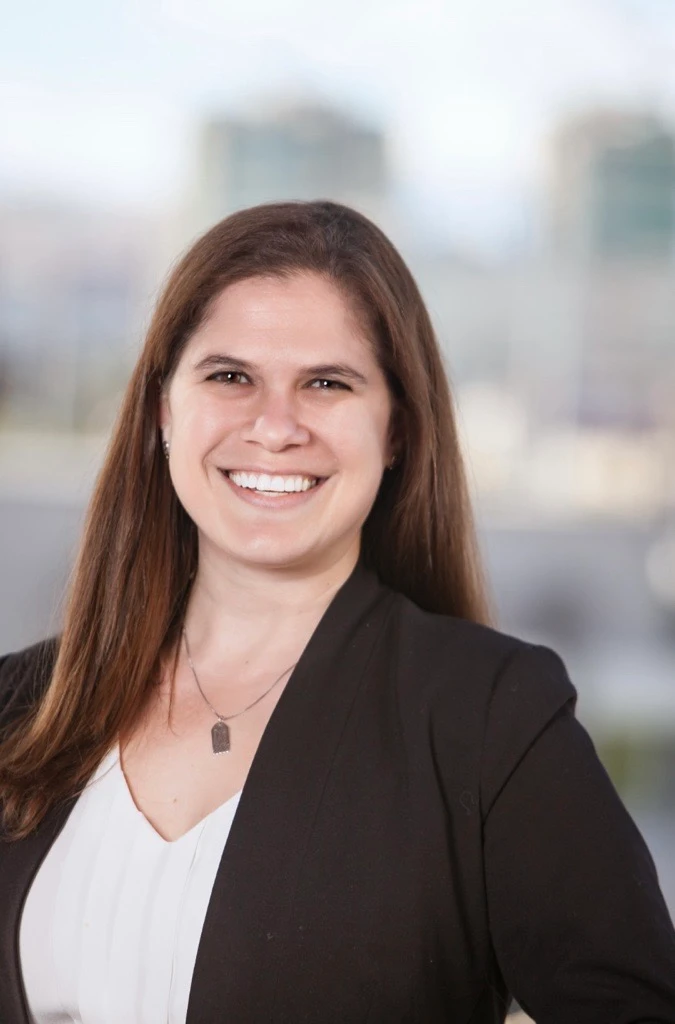
Her journey, from a job at Del Mar racetrack to the helm of one of the sector’s leading research and education centres, helps explain why she has been named as one of this year’s Most Influential Women.
“It’s incredibly flattering,” Abarbanel says. “To be considered one of those people requires a bit of internal reflection on what I’ve done and then how can I do more to make sure that this impact goes beyond whatever I’ve done to get here.”
A Californian by birth, Abarbanel fell into gaming partly by geography.
Growing up near the Del Mar Thoroughbred Club, she was drawn to horse racing while studying probability and statistics.
“What better way to figure out how these things work than putting your money where your mouth is?” she suggests.
Around the same time the online poker boom began, her mathematical background made her a “prime target” for backers of poker games. This involvement ultimately introduced her to her husband and prompted a move to Las Vegas nearly 20 years ago.
Abarbanel started at UNLV after cold-calling a well-known figure in gaming academia, Dr Bo Bernhard, who then had the role she now fills.
She secured funding to pursue a PhD at UNLV, spent three years at UCLA and returned to UNLV in 2016. She has been running IGI for four years and marks this year as her 10th anniversary back at the university.
IGI’s profile under her leadership is broad.
“We have a huge research arm,” she explains, singling out the institute’s director of research, Kasra Ghaharian, for work on AI and gaming.
The institute runs education programmes through the International Centre for Gaming Regulation and offers training in responsible gambling, crisis communications and leadership.
An innovation arm functions as an “IP-generating studio” where students develop games and tech that are now deployed across Las Vegas and in digital venues globally.
For Abarbanel, the through-line across disciplines is the design and delivery of enjoyable experiences. Citing Satoru Iwata, former president of Nintendo, she says: “Games are meant to be just one thing, fun for everyone.”
That principle informs work from product design to responsible gambling initiatives.
What next?
Abarbanel is taking an academic sabbatical that will combine study with outreach.
One priority is participation in the UEFA Academy’s Fight the Fix programme, a six-month course on match-fixing investigations in football.
“I will be in Belgrade, Serbia for the first in-person session,” she says, describing the value of learning alongside professionals from different geographical and cultural backgrounds. She hopes that the skills and networks developed through the programme will extend IGI’s research and education into sports integrity.
She is also adapting the leadership development curriculum to new markets. IGI already runs an Executive Development Programme, supported by industry partners. Abarbanel plans “to take this into the video games and e‑sports world” with a tailored offering for that fast-evolving sector.
On recognition and diversity
Abarbanel frames industry awards and lists as practical tools for visibility and change.
“Having platforms like this means giving visibility to what these accomplishments are,” she comments. “It’s really easy for us as human beings to stick within what we know, so putting niche qualifications on a platform that’s visible to everybody means that we’re expanding the horizons of anybody who might see what it is that we’re showing.”
Asked whether the gaming sector has achieved adequate diversity and inclusion, she acknowledges progress while insisting that more work remains.
“We are so much better now at recognising just the massive diversity of thought that exists,” she says.
However, she adds: “It takes time for change to happen.”
She name‑checks figures such as World Gaming’s Ewa Bakun for advancing and assessing change.
Advice for those seeking to follow her path
Abarbanel offers a personal, reflective recipe for career advancement. “Be you, be unapologetically you,” she states.
She argues that technical skill and learning are crucial, but that authenticity and self-knowledge matter just as much.
“Luck favours the prepared,” she comments.
Recognising and addressing imposter syndrome by training into roles one initially feels deficient is, in her view, a core growth strategy.
An open door to the academic side of gaming
Abarbanel is bullish about attracting more people into the academic study of gaming.
“It is a fascinating place,” she says, describing the field as niche but full of opportunities for self-driven initiative.
She wants IGI to expand its pool of researchers and educators.
“My door is always open to anybody, regardless of their background, who wants to be part of this space,” she adds.
Her own career, a blend of practical wagering experience, rigorous academic study and industry-focused education and research illustrates the hybrid profile many increasingly prize.
As the gaming industry diversifies across digital platforms, esports and regulated sports betting, figures such as Abarbanel are positioning academic institutions as both critics and collaborators in shaping the sector’s future.
“I look forward to what I’m going to do next,” she concludes. “But it’s really neat to have this, to be able to bring it to my team and lift my team through opportunities like this one.”
Brittany Dale
Director of Business Transformation and Programme Delivery, iGaming Ontario
Brittany Dale, director of business transformation and programme delivery at iGaming Ontario (IGO), has built a career in public sector regulation that now places her at the heart of Canada’s regulated online gaming market.

Named to the Most Influential Women 2026 list, she describes the recognition as “an honour to be recognised, especially from an industry that I’m proud to be part of” and uses it to underline both her personal trajectory and the sector’s broader evolution.
Dale’s career has progressed steadily through government roles in policy and regulation.
For the last several years she has worked at IGO, the provincial crown agency charged with managing Ontario’s regulated online gaming market in partnership with private operators. She now leads the organisation’s business transformation and programme delivery function.
“The common thread throughout my career has really been solving complex problems and bringing diverse stakeholders together to deliver outcomes,” she tells iGB.
That orientation towards collaboration and systems-level solutions is what brought her to IGO and shapes her daily work.
“At IGO in particular, it’s just been a fantastic opportunity to lead innovative, technology‑enabled solutions that extend beyond my organisation and have implications for the whole regulated market,” she says.
Delivering shared industry infrastructure
Dale highlights BetGuard, Ontario’s centralised self‑exclusion system, as a project that captures the role she wants to play.
She led the initiative, which launched in May of this year, and says it simplified a previously fragmented self‑exclusion process into a five‑minute, single‑point opt‑out for all regulated online operators in the province.
“Centralised self‑exclusion is an important advancement in terms of player protection,” she states.
“It’s also just a great example of industry‑wide collaboration, that you can actually bring competing operators together and still deliver shared solutions, particularly when it comes to player protection.”
The BetGuard example underlines a recurring theme in Dale’s work in using the regulator’s unique convening power to deliver infrastructure that benefit the entire ecosystem, not only the agency that designed them.
What are Dale’s next priorities?
Looking ahead, Dale wants to “continue leading transformation at scale” and is focused on building a foundational data and analytics pipeline for Ontario’s gaming market. She says this will modernise and automate anti‑money‑laundering reporting, strengthen oversight and create better market intelligence.
“Four years into this market, we’re no longer just asking what are the foundational capabilities that we need,” she adds. “We’re increasingly asking how can we actually leverage our unique position to help the whole ecosystem work better?”
With other Canadian provinces, Alberta most recently, moving into regulated iGaming, Dale is also keen for Ontario’s innovations to inform policy and operational approaches elsewhere.
On awards, visibility and leadership
Dale says awards such as Most Influential Women “celebrate the breadth of talent and leadership and the contributions of women across the gaming industry”.
In her view, though, their deeper value is in broadening perceptions about who leads and how leadership is exercised.
She argues representation alone is insufficient unless it translates into influence.
“Women need to be in the rooms where strategic decisions are being made and where investments are being prioritised and where the future of the industry is actually being shaped.”
Where the industry stands on diversity and inclusion
Asked whether gaming has reached where it needs to be on diversity and inclusion, Dale assesses that “meaningful progress has been made”, particularly within Ontario and across the Canadian sector.
She points to women holding senior roles in major operators and notes that IGO’s board chair is a woman.
However, she reiterates the need to go further, adding: “I think there’s still more that we can do to recognise that diversity of perspectives and backgrounds and experiences. It strengthens decision-making and it drives innovation.”
How IGO approaches inclusion
Within IGO, Dale credits a multidisciplinary culture and an emphasis on inclusive collaboration.
“We recognise that complex transformation requires collaboration across all kinds of different perspectives, and there’s a real commitment to providing opportunities for growth and coaching,” she says. The aim, she adds, is to create an environment where team members are encouraged to contribute ideas and take ownership, both ingredients for nurturing future leaders.
Advice for the next generation of industry leaders
For professionals aiming to be visible on future Most Influential Women lists, Dale offers practical counsel rooted in the work itself.
“Focus on creating actual impact rather than pursuing recognition as an end in itself,” she continues.
“The first step is being willing to take on difficult challenges, including opportunities that might actually be outside your established area of expertise.”
She stresses curiosity, relationship‑building and the importance of collaborative skills.
“Meaningful change rarely happens in isolation and the ability to bring people together are actually critical leadership skills,” she concludes.
Brooke Thomas
VP of People and Opportunities, Hard Rock International
For Brooke Thomas, being named one of iGB’s Most Influential Women 2026 is as much a recognition of the people around her as it is of her own achievements.

The Vice President of People & Opportunities at Hard Rock International was nominated and selected by the judges for her work at both Hard Rock and with LGBTQ+ in Gaming, the community initiative she co-founded alongside Matthew Heenan in 2025.
Thomas said the recognition was particularly meaningful given the diversity of thought represented by the award’s judging panel.
“We don’t lift up the ladder from behind us. We bring folks up with us,” she said, describing the importance of creating opportunities for others to succeed.
Thomas started out as a lawyer, before her consultant work exposed her to industries ranging from entertainment and hospitality to media and pharmaceuticals.
It was through that experience that she discovered gaming, finding an industry whose close-knit community and authenticity set it apart.
“I just felt an incredible sense of community,” she recalled of her first experience working with a tribal gaming organisation. That sense of belonging ultimately drew her into the sector full-time and continues to shape her approach to leadership.
Today, her work extends beyond her role at Hard Rock to LGBTQ+ in Gaming, where she is focused on building connections between LGBTQ+ professionals and allies across the industry.
The initiative has held regional events in Atlantic City, Ohio and Las Vegas, bringing together team members, industry veterans and community organisations.
Thomas’ ambition is to expand that reach, particularly into areas beyond established gaming hubs where people may struggle to find a sense of community.
Having moved to Florida knowing nobody beyond her wife, she understands the importance of those connections personally.
“The gaming community, the LGBTQ+ community here in South Florida, they’ve given me a home,” she said. “They’ve given me grounding.”
Creating visibility and opening doors
For Thomas, recognition through awards such as Most Influential Women also serves a wider purpose. Highlighting people who challenge conventions and bring different perspectives to the industry can encourage others to take risks, innovate and feel safe bringing their full selves to work.
She believes progress on diversity and inclusion should not be taken for granted. “It’s a muscle,” she suggested. “If you’re not building it, you’re losing it.”
While acknowledging that setbacks are inevitable, Thomas remains optimistic about the people working across gaming. She specifically points to their willingness to help one another as a defining characteristic of the sector.
Asked what advice she would offer women hoping to feature on future Most Influential Women lists, Thomas recommended seeking honest feedback from colleagues and trusted peers to understand how others perceive them.
Her own success, she suggested, has been shaped by people willing to offer both encouragement and constructive criticism.
Thomas’ focus remains on the wider community.
In her view, influence is not simply about personal advancement, but about ensuring more people across gaming have the connections, support and opportunities they need to thrive.
Our thanks go to this year’s judging panel for their time, insight and contribution to the iGB Most Influential Women 2026 campaign. Find out more about the initiative and meet the judges here.