
What’s ailing Asia: Does Asia have a casino glut?

Only a fool would question Las Vegas Sands founder Sheldon Adelson’s instincts on gaming in Asia. In Macau, Adelson bet players would trade up to Sands Macao and a supersized version of the Vegas Strip’s Venetian on swampy landfill. He bet squeaky clean Singapore would support the world’s most expensive casino resort and that Marina Bay Sands’ triple towers would support the world’s biggest rooftop infinity pool 200 metres in the air.
But now there is reason to question Adelson’s 2007 assertion that “there is probably room for 10 Las Vegases throughout Asia.”
From Incheon to Australia, distressed integrated resorts dot the region where “build it and they will come” had been the mantra. Philippine gaming revenue fell 16% in this year’s first quarter. Gaming properties languish on the selling block. In 2022, Japan, then the world’s third largest economy and a fast growing pre- (and post-) Covid tourist destination, saw just one qualified bidder emerged for three IR licences. Even in Macau, with gross gaming revenue triple that of Las Vegas last year, five of six concessionaires reported revenue and EBITDA below 2019 results.
“There is definitely a glut of casinos throughout Asia,” Steelman Partners CEO Paul Steelman says. “Gaming is now available to much of the population across the region.”
A glut by any name
“I’m not sure if a supply glut is the right word, but there are markets and projects that are struggling to ramp and high-ROI opportunities are harder to come by,” CBRE Capital Advisors’ head of institutional investor research, John DeCree, says.
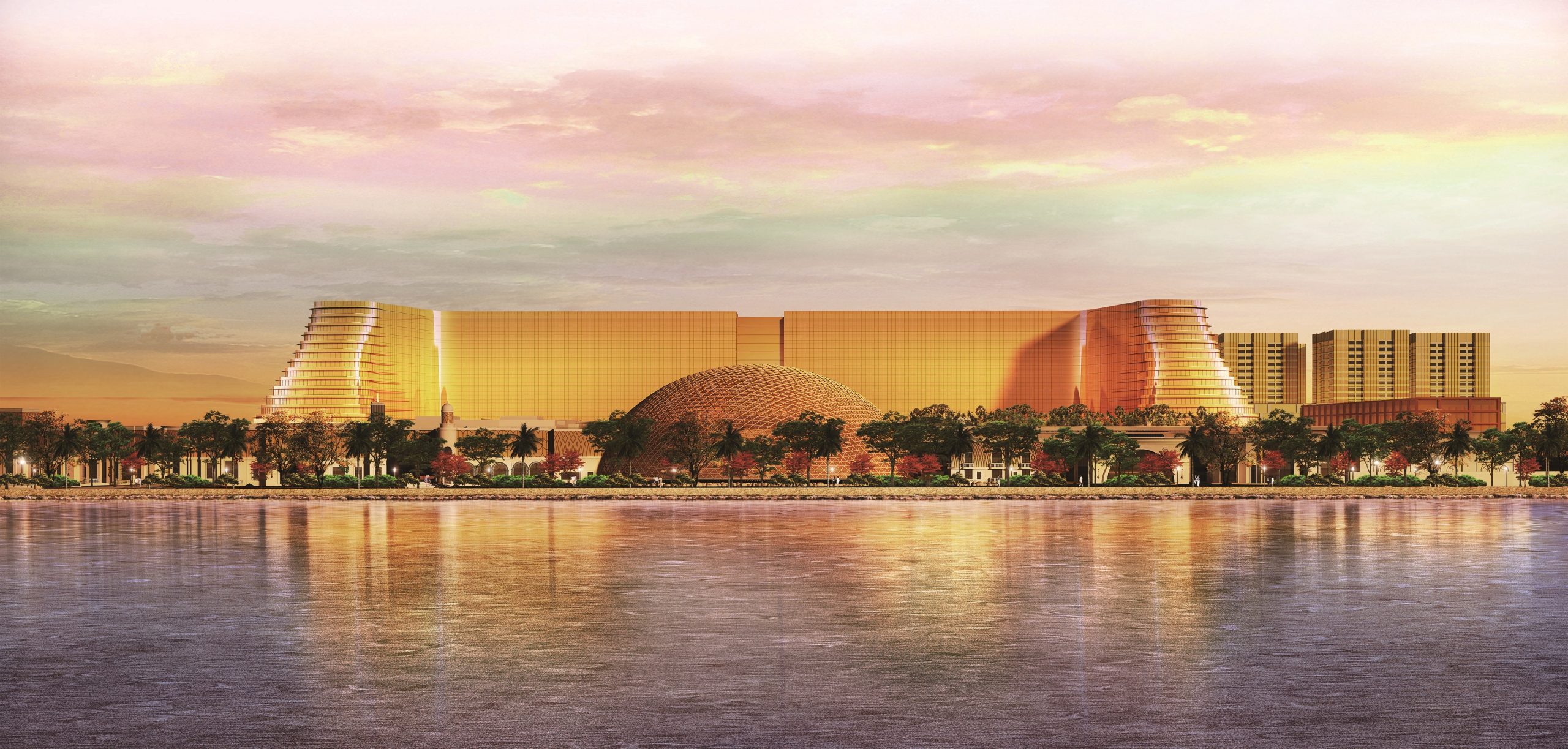
DeCree co-authored a May 2019 report from Union Gaming – since acquired by CBRE – projecting an Asia gaming glut. The report identified gaming projects exceeding US$65 billion scheduled to debut by 2025, evenly split between Macau, Japan and the rest of Asia.
“Given the scale of the pipeline relative to the EBITDA required to justify it, we think – for the first time in Asia – the amount of new supply is simply too much over too short a period of time,” DeCree and Macau-based analyst Grant Govertsen wrote. Projecting a 20% return on investment, they calculated regional EBITDA would need to reach US$27.7 billion, more than double the 2018 figure, to justify proposed properties ex-Japan, and pegged right-sized capex for Japan below US$5.5 billion.
Then came the pandemic. “Covid 19 helped alleviate some of the supply risk,” DeCree tells iGB. “Our biggest concern in 2019 was not just the size of the pipeline but the short window for which the supply was expected to come online.”
Half finished, tiny ROI
iGB estimates US$21 billion has poured in to Asian land-based gaming since 2019, about half of Union’s projected US$42.9 billion. Meanwhile, Asia gaming EBITDA, as Union counted it, was US$13.6 billion in 2018 and US$13.7 billion in 2025. So the investment of US$21 billion meant regional EBITDA was boosted by US$100 million, a paltry 0.7% with ROI of 0.5%. DeCree says numerous projects ramping below expectations “validates our 2019 concern” about a glut.
“Calling it a supply glut may be too simplistic,” Nikau Design Group managing director Nicola Greenaway says. “Asia’s gaming market is still expanding, but in key hubs like Macau and across parts of Southeast Asia, capacity is increasingly mismatched with demand. The decline of VIP play and the steady migration to digital channels have left segments of the land-based sector underutilised. The industry is no longer in expansion mode, it is recalibrating, and in that recalibration, pockets of oversupply are becoming more visible.”
“I don’t think there’s a glut: I think there are mismanaged assets and overbuilt assets for the markets in certain areas, but Asia is still fairly low-penetrated relative to other gaming markets,” Seaport Research Partners senior analyst Vitaly Umansky says. “For example, Korea’s foreigner-only casinos – there’s probably too many of them. The Philippines market is probably getting oversupplied, especially when Westside City opens, relative to the demand. You look at Singapore, you’d say it’s undersupplied.”
Gone, but not forgotten
“The struggles across Asia Pacific are not because of gluts in most cases,” Murray International Group chairman Niall Murray says. “Most are due to investments and developments in gaming and non-gaming offerings that do not meet the needs of current customers from their primary source markets, but instead continue stubbornly to focus on junket and VIP customers who no longer exist and will not return. Give the current and emerging customers what they want, not what your Western-centric thinking leaders believe they want.”
“I don’t believe there is a general oversupply of land-based casinos in Asia right now. However, there is definitely a glut of casinos designed and built for high-end gamblers from mainland China,” longtime gaming executive on three continents Andy Choy says.
“The real problem is a product-market mismatch: almost every property in Asia is chasing the same small segment of the market using the same two strategies – luxury amenities and commission payments to sales representatives. To be fair, that high-end segment was once so large and profitable that it made little sense to pursue any other approach. But today, Asia’s gaming industry needs genuine innovation and a shift away from the luxury market.”
More than 120 million unserved
Choy’s “back of the envelope calculation” indicates an underserved mid-market segment across Asia. “If you combine the total annual visitors to Macau and Singapore, not just casino visitors, but all visitors, you get roughly 60 million per year – about 1.5 times the number of visitors to Las Vegas.
“Meanwhile, the core feeder market for Macau and Singapore (China) is roughly five times the size of the core feeder market for Las Vegas. That suggests demand for casinos in Macau and Singapore could be underrepresented by a factor of more than two.”
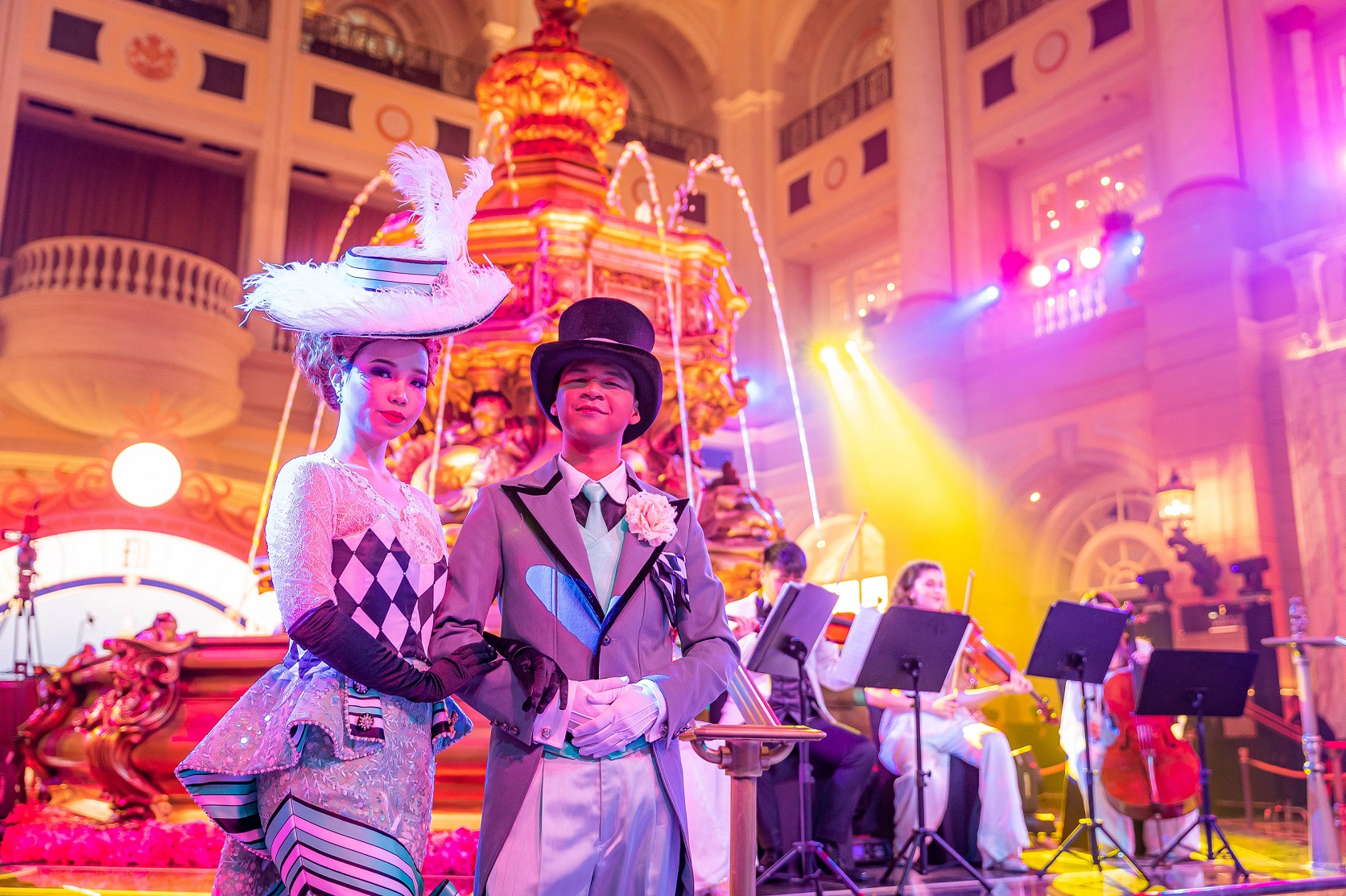
Umansky observes “large scale overnight mass business” is still “significantly underperforming” in Macau. One cause: what Umansky terms “premiumisation” converting mass market rooms into fewer, invitation-only high roller suites.
Macau’s post-Covid headwinds also include decimation of its junket system – VIP GGR was US$16.8 billion in 2019, US$8.4 billion last year – the sluggish mainland China economy and, on the financial side, concessionaire’s collective US$13.6 billion non-gaming investment obligation in the 2022 gaming concession agreements.
Not smaller, smarter
Across the region, Greenaway sees “a mismatch between scale, timing and proven demand. Many projects were built on optimistic assumptions, VIP gaming, fast tourism recovery, regional spillover, that haven’t fully materialised. Combined with execution gaps, front-loaded development and external shocks, this has strained performance… Ultimately, this cycle is enforcing discipline. Future developments are likely to be more measured, flexible and grounded in real demand, not smaller by default, but smarter in how they scale and evolve.”
Beyond regional trends, specific market factors contribute to notably distressed IRs Inspire in Incheon outside Seoul, Hoiana in central Vietnam and Queen’s Wharf Brisbane in Australia, a market not covered in the 2019 Union analysis.
These IRs trace their roots to the early 2010s, when Asia’s gaming demand seemed limitless and US operators profoundly feared falling behind Macau fueled rivals Sands, Wynn and MGM. Junkets and mainland high rollers felt Beijing’s increasing scrutiny in Macau and sought new destinations, particularly with rewards exceeding Macau’s 1.25% limit on rolling chip commissions.
A decade-plus later, all three IRs have experienced changes of control under duress, and each still faces serious obstacles to producing decent returns on its billion dollar-plus investment.
Incheon heat wave
Native American operator Mohegan Gaming won approval in March 2016 to develop Inspire, adjacent to South Korea’s gateway airport in the Incheon Free Economic Zone. At the time, IFEZ was one of Asia’s few options for obtaining a gaming licences. (Caesars was also building an Incheon IR until its 2020 takeover by El Dorado Resorts.) However, beyond remote Kangwon Land, a three-hour drive from Seoul, South Korea’s other 17 casinos require a foreign passport for admission.
“Inspire Korea is committed to building a major integrated resort without the benefit of local Korean gaming participation, in a market already served by many foreigner-only casinos,” Steelman, whose firm designed US$1.6 billion Inspire, says. “Mohegan did its best to differentiate the project with a water park, digital entertainment attractions and a major entertainment arena.
“However, large integrated resorts need daily energy and critical mass. That energy usually comes from both tourists and locals participating in entertainment, dining, retail and gaming. Relying almost entirely on foreign tourists to support a resort of this scale is extremely difficult.”
Come fly to me
“If your only customer base is someone that has to get on an airplane and fly to you, that makes it more difficult,” Umansky says. It does argue for an airport location, though.
Tottenham & Co managing director Andrew Tottenham presents a counter argument: “Foreigner-only casinos do not work very well unless there is sufficient tourism infrastructure around them to drive and support foreign tourism.” Seoul has that tourism appeal, he says, Incheon does not.
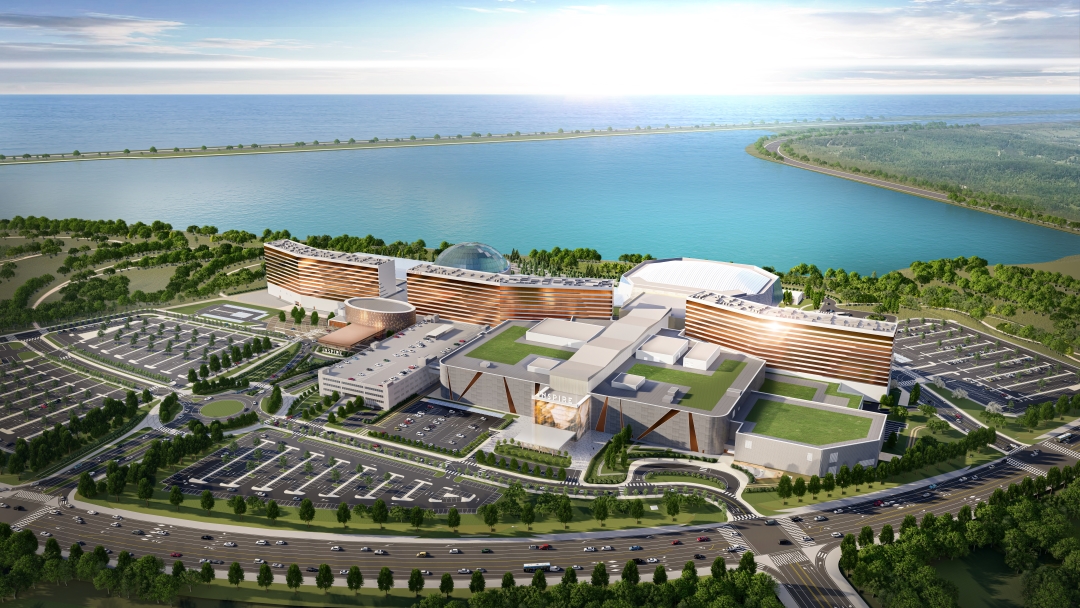
Amid heavy losses, Inspire lender Bain Capital forced Mohegan into default on its US$275 million loan and took over the IR in February last year. Most observers believe Bain wants to sell Inspire. Meanwhile. Bain has made management changes, including hiring Steve Wolstenholme as chief casino officer.
Hoiana, where Wolstenholme served as president and CEO until 2025, also has a foreigner-only casino. Originally developed by Macau’s top junket promoter Suncity to service its clients, Hoiana’s US$1.3 billion first phase opened into the teeth of Covid in June 2020. It needed a new business model when Macau arrested Suncity chairman Alvin Chau in November 2021.
Suncity’s junket-free rump LET eventually sold its Hoiana share to minority shareholder Chow Tai Fook Enterprises, a privately held arm of the Cheng family that owns the Chow Tai Fook jewellery chain – longtime investors in Stanley Ho’s Macau gaming monopoly – and acquired integrated resort Baha Mar in the Bahamas in bankruptcy proceedings. Hoiana has a four-kilometre beachfront, world class golf course and proximity to UNESCO World Heritage site Hoi An, a port district dating to the 15th century.
Asian market evolution
At Queen’s Wharf Brisbane, CTFE evolved from 25% shareholder to 50% partner, alongside Hong Kong-listed property developer Far East Consortium, when Star Entertainment exited the property in March. Star’s predecessor Echo sought to replace its ageing Treasury casino in a landmark building that constrained options, Steelman says. “Asian investors entered, believing Asian gaming tourism would expand the Brisbane market. The project then grew into a much larger and more expensive development” with a AU$3.5 billion (US$2.5 billion) price tag.
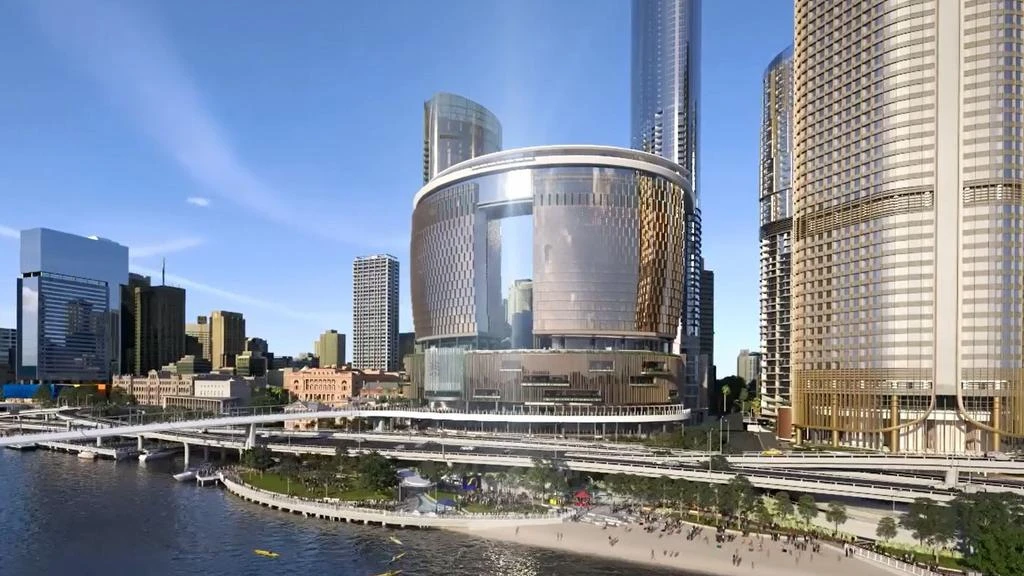
“Chow Tai Fook and Far East had an idea the property was going to be very, very high end, very focused on Asian high net worth customers from overseas,” Umansky says. “That customer base just doesn’t really come to Australia anymore to gamble.”
Australia’s Asian high roller business shrivelled following 2019 media revelations of apparent casino money laundering and criminal associations, allegations supported by multiple state regulatory investigations of both market leader Crown and Star. Since then, tight regulation “is asking casinos to swim butterfly with their hands and ankles bound,” Murray says.
Facing losses groupwide, Star sold its Brisbane stake to CTFE and FEC to focus on nearby Star Gold Coast. Star was taken over by US operator Bally’s and Australia’s billionaire Mathiesen family, with Bruce Mathiesen Jr as CEO and board member.
“They have to position to be more of a local casino property, and they can do it,” Umansky says of QWB. “They need to change strategy, but they haven’t done it. They’ve stuck with Star to manage the property. There’s an inherent conflict of interest since Star has a property an hour away.”
Umansky also notes that Queen’s Wharf and other Australian casinos compete with tens of thousands of electronic gaming machines – known locally as pokies – in clubs and hotels across the country that operate under different regulatory and tax regimes. The Mathiesens are major pokie entrepreneurs. With some 200,000 machines nationwide, few doubt Australia has a glut of pokies.
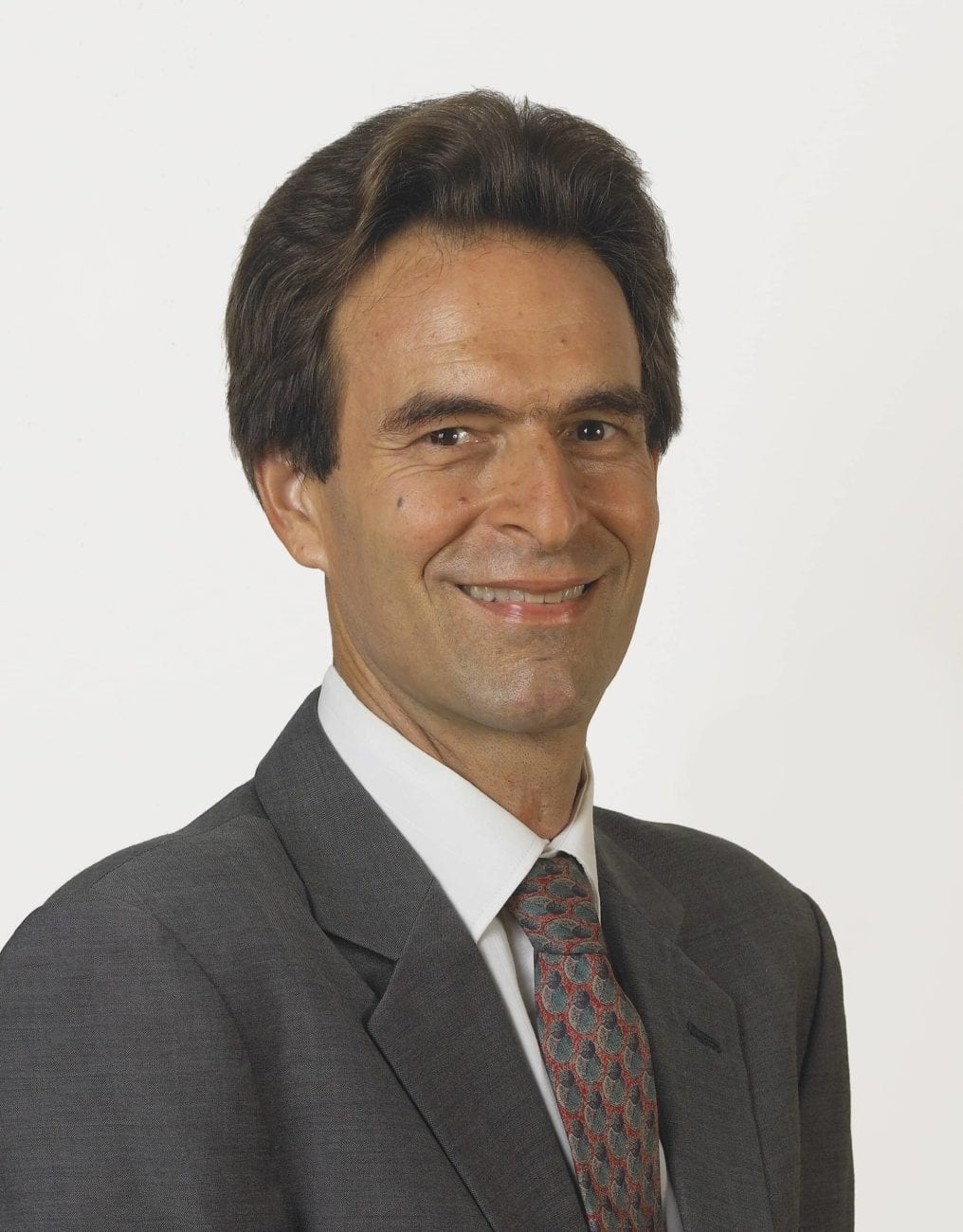
Muhammad Cohen is a former US diplomat and current iGB Asia editor at large. He has covered the casino business in Asia since 2006, most recently for Forbes, and wrote Hong Kong On Air, a novel set during the 1997 handover about TV news, love, betrayal, high finance and cheap lingerie.