
Brazil National Congress extends provisional measure banning betting for a further 60 days
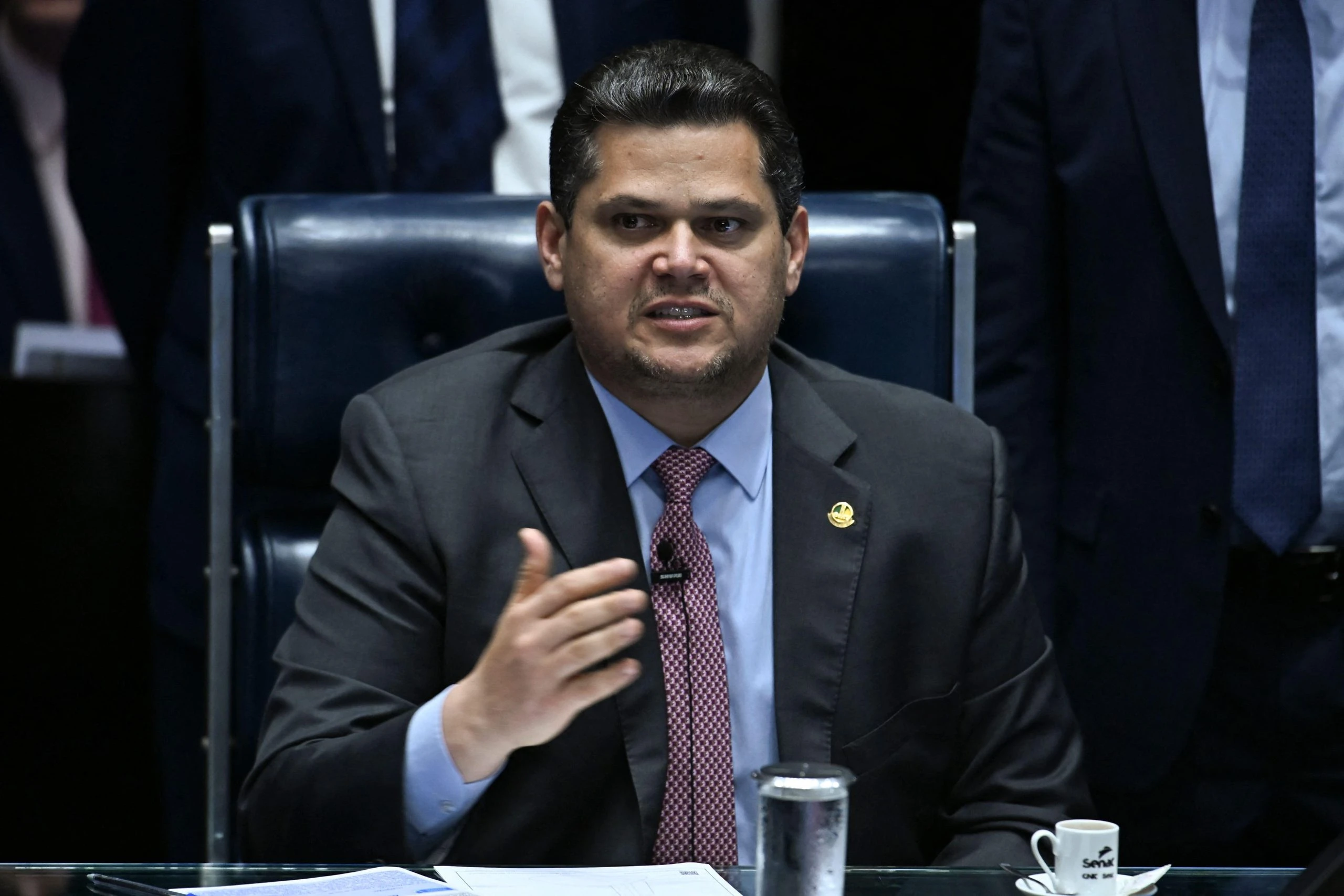
Senator Davi Alcolumbre, president of Brazil’s National Congress, has extended the validity of the provisional measure banning betting by an additional 60 days, even though its joint committee has yet to be convened.
The initial deadline was set for 23 November, and while a 60-day extension would ordinarily take effect automatically, Alcolumbre issued Act No. 118 on Wednesday, formally designating two more months for congressional review of the provisional measure.
Because Congress enters its legislative recess from 23 December through 1 February, the definitive deadline for deliberating on the provisional measure will be 4 March. It remains to be seen whether there will be sufficient time to do so.
Provisional Measure No. 1,394 was published in an extra issue of the Official Gazette on 25 September. It mandated an outright ban on the operation, offering, intermediation, and advertising of betting platforms across Brazil.
Furthermore, it established deadlines for terminating all operations and revoked operators’ provisional authorisations as of 25 October.
Congressional developments
The provisional measure was introduced to the National Congress on the day of its publication in the Official Gazette.
Under Brazilian law, a provisional measure is an executive instrument with the force of law enacted by the President of the Republic in circumstances of relevance and urgency. Although it takes immediate legal effect, a provisional measure requires subsequent review and approval by both houses of Congress (the Chamber of Deputies and the Federal Senate) to be permanently enacted into statutory law.
Many have accused the ban of being an election-driven political maneuver adopted by President Lula, with the ban announced just over a week before the first round of Brazil’s presidential election.
A provisional measure remains valid for 60 days and is extended for an equal period if it is not voted on by both legislative chambers. After 45 days, it enters an urgent procedure status that locks the floor voting agenda, which took effect on 9 November.
Nevertheless, the Joint Committee on Provisional Measure No. 1,394 has not yet been formally convened, nor have a committee chair and reporting member been appointed. To date, 12 senators and 13 deputies have been designated as titular members, while seven senators and seven deputies have been appointed as alternates. At full capacity, the Joint Committee comprises 26 senators and 26 deputies.
Nearly 100 amendments have been submitted, several of which seek to preserve sports betting while outlawing online casino games. Other proposed amendments seek to introduce advertising restrictions and prohibit operators from acquiring naming rights for stadiums, sports competitions, arenas and club training centres.
Points of consensus
The prohibition of online casino games emerged as the primary area of consensus among the amendments introduced by lawmakers. Despite slight wording variations, they share the identical premise: to completely ban the exploitation, offering, intermediation and marketing of online slots. Despite this convergence, several proposals modifying the government’s draft have also been introduced to maintain the online gaming vertical, if casino games and gaming aggregators obtain technical certification.
Another point of agreement centres on ramping up enforcement against illegal gambling advertising, incorporating measures to broaden the blocking of illicit, unlicensed domains. A broad consensus exists around banning advertising for online casino games while permitting promotional activities strictly for sports betting.
Several amendments mirror regulatory provisions that are already in force or were rolled out earlier this year. These include the prohibition of betting by beneficiaries of federal welfare programmes, a rule already established by the Secretariat of Prizes and Bets (SPA), as well as bans on credit cards for account deposits, which have already been implemented.
What lies ahead
The administration has been holding discussions with leadership in both the Chamber of Deputies and the Federal Senate regarding priority legislative items to be addressed before year-end. Among them is the betting provisional measure.
Other items on the radar include the 2027 Federal Budget, Big Tech regulation, the Desenrola debt relief programme and the Constitutional Amendment on Public Security. The government will face steep hurdles in advancing the debate on PM 1,394, as budget negotiations for the coming fiscal year are slated to monopolise much of the legislative calendar.
In addition, intense political jockeying surrounding the upcoming elections for the presidencies of both the Chamber of Deputies and the Federal Senate will consume lawmakers’ time and attention.
Another major obstacle is the opening of the new legislative session, which is convened following the recess in the first week of February and will command the entire congressional agenda. The legislative calendar will subsequently grind to a halt over the following two weeks due to the Carnival holiday and the formal assignment of standing congressional committees.
With the PM’s Joint Committee still not convened, it remains difficult to foresee whether the provisional measure will be debated on the floors of both houses. Floor deliberations cannot occur until the rapporteur, who has yet to be appointed, issues the committee report.
Faced with nearly 100 proposed amendments, undertaking such a monumental task will offer little appeal to lawmakers, many of whom are nearing the conclusion of their mandates.