
Spelinspektionen flags affiliates and social media as main channels for black market advertising
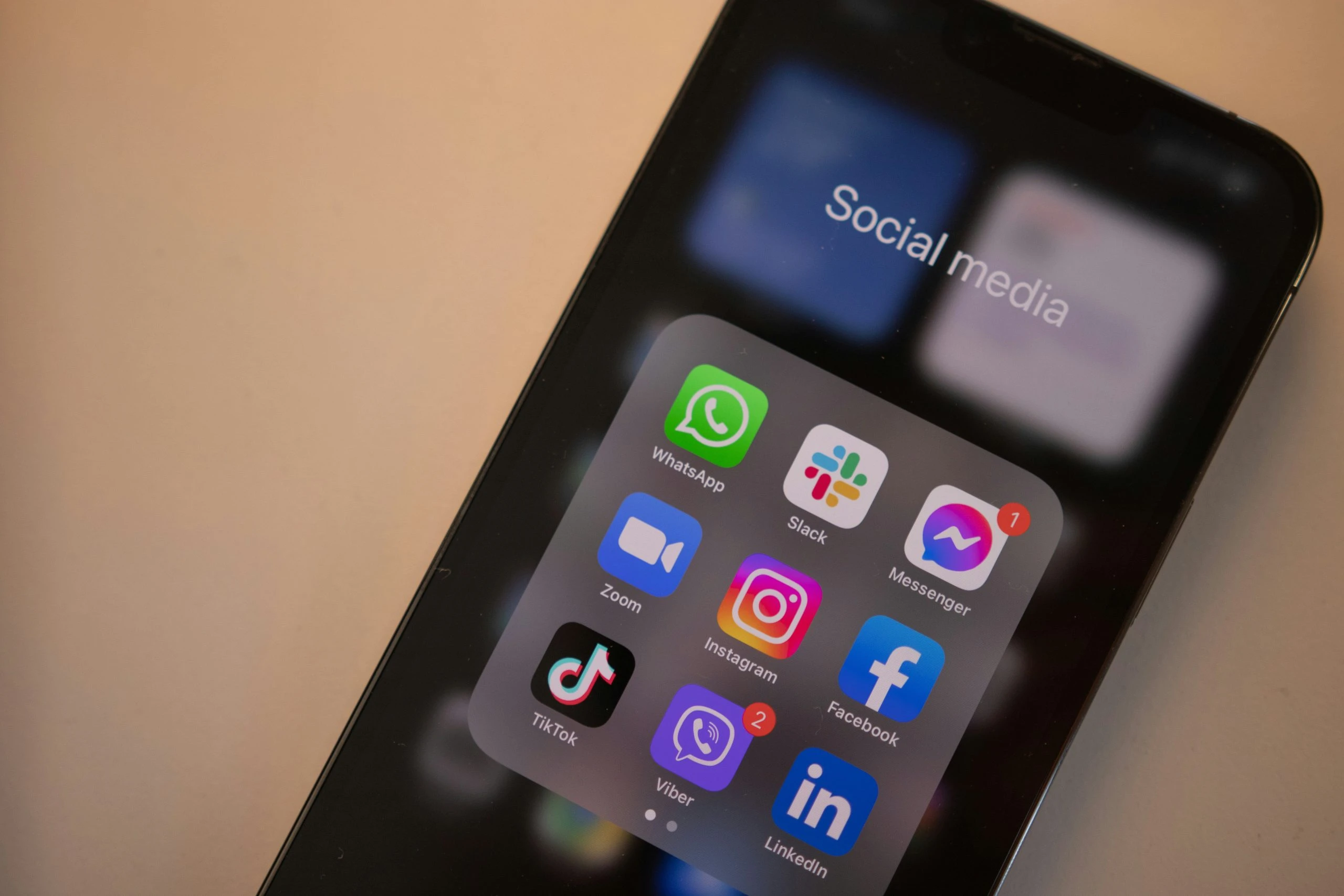
According to a new report by Sweden’s gambling regulator, Spelinspektionen, influencers remain a prominent factor in the promotion of unlicensed online gambling services to the nation’s consumers.
The authority warned that this activity is particularly visible in environments popular with young people, raising concerns about consumer protection and regulatory enforcement.
Published online on Monday, the Spelinspektionen report mapped out the various platforms and marketing strategies employed by unliensed gambling operators in them market.
These included livestreaming platforms, affiliate link networks, sponsorships and social media networks.
Affiliate and livestreaming
The regulator identified affiliate marketing networks and ‘link farms’ that redirected search traffic towards unlicensed casinos as primary channels for influencers promoting illegal sites. Many affiliate domains operated briefly, serving thousands of Swedish IP addresses, before disappearing and reappearing under new domains.
Some brand-specific affiliate landing pages used Swedish (.se) domains but redirect users to English-language gambling sites, thereby masking the operators’ jurisdictions while targeting Swedish players.
Livestreaming platforms like Twitch and Kick were also where influencers distributed affiliate links and promotional codes linked to unlicensed operators. Features such as leaderboards, and giveaways integrations were commonly used.
Twitch has banned a number of unlicensed sites; however, Kick emerged as an alternative for those previously removed from Twitch. Enforcement actions have reduced major influencer promotions of unlicensed gambling, but some influencers have shifted their focus to international audiences or other platforms.
Social media giants Met, TikTok, Snapchat, and X had leveraged to spread affiliate links, sponsored posts and undisclosed promotions.
English-language comedy and influencer accounts that have recently started Swedish-language content, were of particular concern, alongside the use of deepfakes featuring Swedish public figures falsely legitimising advertisements.
Self-regulation and channelisation
The regulator observed instances of banners advertising unlicensed casinos on Swedish websites. These sometimes placed behind paywalls or shown only at particular times.
Spelinspektionen warned that programmatic advertising and AI-based tools were helping advertisers’ to circumvent publisher blacklists and obscure campaign intentions.
SMS campaigns promoting unlicensed gambling frequently appeared in the regulator’s tip line, often targeting Spelpaus self-excluded individuals with repeated messages.
New regulation tightening the technical requirements for Spelpaus will take effect from 1 August. These will feature marketing-related checks, tighter verification and unique IDs for licence holders.
The register itself was updated in 2023 to offer easier access to guidance and information on gambling problems. It also included an option for players to extend the period of self-exclusion.
The regulator also found encrypted or semi-private messaging channels like Telegram disseminated affiliate links and organised giveaways.
Esports was identified as a prime area where skin-betting and crypto-casino sponsors have engaged young audiences. This came as Swedish visits to skin-betting sites reportedly increased following sponsorship of major tournaments.
Influencers remain prominent
In 2025, the regulator opened multiple cases linked to influencer promotions and banner advertising, reporting that offending promotions ceased following enforcement interventions. Influencers are prioritised due to their reach among younger audiences.
The proposed EU Digital Fairness Act (DFA), which is due to come into effect later this year, may introduce stricter rules on targeted advertising that could impact gambling marketing practices. This includes tighter restrictions on influencers.
Under Sweden’s Gambling Act, promotion of gambling without a licence constitutes an offence.
The report highlighted a March 2026 criminal conviction wherein an influencer received a prison sentence of 22 months for economic crimes. This was coupled with unlicensed gambling promotion and led to the first known online gambling promotion criminal sentence in Sweden.
Influencers have remained a point of contention for black market gambling advertisement conversations in Europe. Earlier this year, a cross-party coalition of UK MPs and peers urged the UK government to implement reforms on gambling advertisement, with specific restrictions on influencers.

Kathryn Evans
Kathryn covers bitesize breaking news with a primary focus on EMEA and US legislation. A proud North Walian, fluent Welsh speaker and lifelong Wrexham FC fan – long before Hollywood came calling.