
Where do World Cup bettors go after the final whistle?
Picture the customer every sportsbook signed up this summer. They came for the World Cup, often as a first-time depositor. They bet on the group games, followed the bracket, enjoyed it. Then the final came and went, and now they open the app to a board that has moved on: other sports mid-season, competitions they’ve never followed, formats they’d need to learn. The tournament that brought them in has ended, and the version of betting they enjoyed appears to have ended with it.
What that customer does next is the most valuable open question in the operator’s quarter. With total wagers on this World Cup forecast to pass $50 billion, according to figures reported by Reuters, up from $35 billion in Qatar 2022, the wave of new customers is the largest the industry has seen. Each one arrived with an acquisition cost attached, through bonuses, boosted odds, media and affiliate spend, and each one only becomes profitable if they keep betting past the point where their activity covers it.
What the research says they do next
The most recent hard look at post-tournament behaviour comes from the UK Gambling Commission, which followed World Cup bettors for three months after the 2022 final. The findings are four years old now, but they’re the closest thing operators have to a preview of the months ahead.
Among the newcomers, the roughly 100 respondents who hadn’t bet on football in the year before the tournament, seven in 10 were still betting three months later. Fewer than half of those stayed with sports. The rest had moved to other gambling products.
‘The appetite these customers arrive with outlasts the tournament. It goes looking for a fit and it settles wherever it finds one’
The full panel, mostly established bettors, showed the same shape. Football spend fell significantly after the final, yet overall betting participation held steady and even rose slightly. And this was with league football available the whole time: the 2022 final fell mid-season, with the big European leagues back within days and running throughout the period the study covered. A full schedule was on every board. The tournament crowd, by and large, wanted something else.
What that means for retention
Read together, the two findings give operators an unusually clear brief. The appetite these customers arrive with outlasts the tournament. It goes looking for a fit, and it settles wherever it finds one, on the book that acquired them or somewhere else entirely. Every customer kept past the payback point is close to pure margin, which is what makes this group worth designing for.
Retention here is a content question before it is a CRM one. Reactivation emails and free bets do their job when there’s something behind them the customer recognises; the research suggests what was behind them, for most books, was a board built for a different fan.
The brief: Familiar, fast and always on
What fits a customer who knows football, enjoys quick occasions and has no interest in learning new stats and form? Content that keeps the sport and drops the schedule.
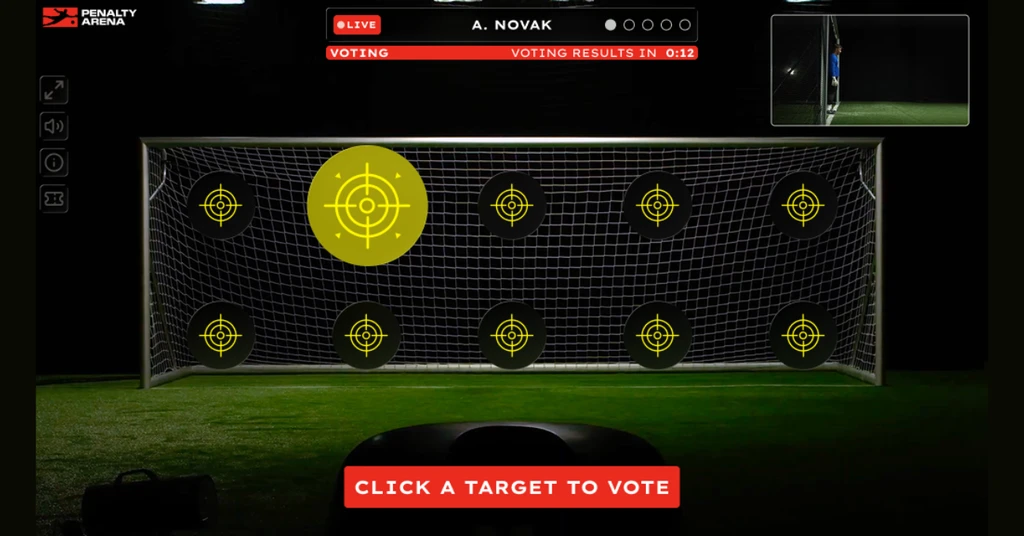
The sharpest example is the penalty kick. Oddin.gg’s Penalty Arena takes football’s most exciting moment and runs it as a continuous market: one kick after another, each settled in 90 seconds rather than 90 minutes. The bettor votes on the direction of the kick, backs an outcome and has a result before their attention moves anywhere. There’s no fixture list, no form guide and essentially nothing to learn, which for this customer is the entire point.
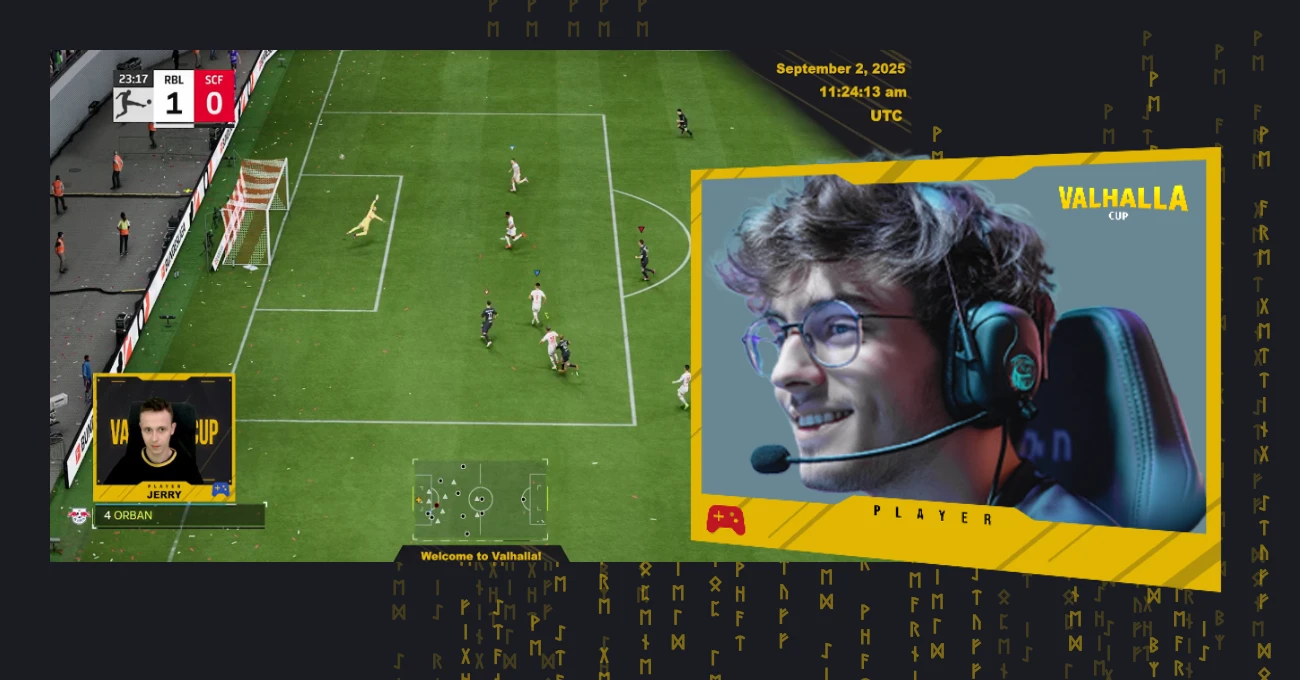
For the fan who wants a fuller match, Oddin.gg’s eFootball runs fast electronically simulated games – player versus player or against bots – with new matches starting every few minutes, around the clock. It sits inside the company’s wider eSims range, which applies the same idea to other sports: eBasketball, eCricket and eTouchdown, each with the same rules and markets as the real sport, available even when the traditional sports calendar goes quiet. The layer that catches a football fan after a World Cup also covers every other sport’s pauses through the year.
The calendar that runs itself
Esports extends the offering further, and it works to its own clock. Dozens of titles run their own seasons, tournaments and tiers, with the Esports World Cup alone staging 25 tournaments across 24 titles in a single seven-week window, so something is always live. Where the schedule thins, studio formats like Oddin.gg’s Counter-Strike 2 Duels and Dota 2 Duels keep constant markets running. For the operator, that steadies the whole book: revenue stops swinging with any single sport’s schedule.
‘The esports audience skews Millennial and Gen Z, with minimal overlap on the traditional sports base’
It also brings its own crowd. The esports audience skews Millennial and Gen Z, with minimal overlap on the traditional sports base, so it broadens where an operator’s revenue comes from as well as when. These bettors arrive on their own calendar and stay on it; a football tournament ending changes nothing for them.
The quarter after the tournament
Every sportsbook took the same wave this summer. If the 2022 research is any guide, most of that wave keeps betting, and where it lands is decided by what each book offers next.
Operators who give the tournament crowd content shaped like the thing they came for – familiar, fast to settle and available year-round – turn a record acquisition quarter into revenue that lasts well past it. Oddin.gg builds that layer, from fast-bet formats to full esports markets, with the uptime to keep it live when it counts. See how it works at oddin.gg.
Marek Suchar, group head of strategic transition, Oddin.gg