Agents in Africa: Frontline player acquisition
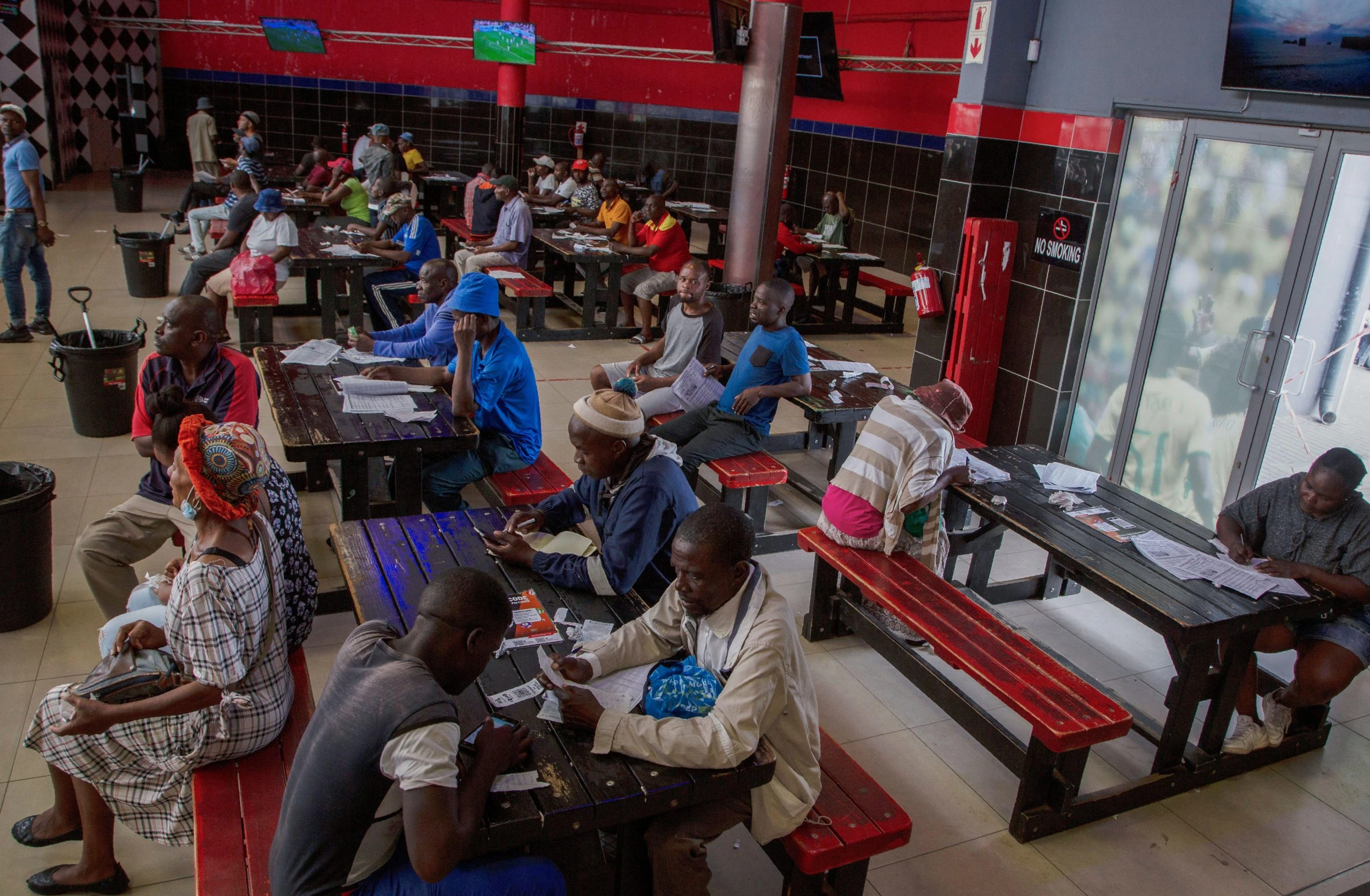
Agents in Africa fulfil a role that doesn’t really exist in Europe, or the USA. These are community figures who build relationships with local customers and help them to place bets, play games or buy lottery tickets.
While those in other parts of the world may assume agents and in-person sports betting is a dying art before the world moves fully online, those actually working in the African sector of the gambling industry believe they are a separate channel reaching a different cohort of customers, who may not move online for years.
Martin Nieri, founder and CMO of 888AFRICA, says: “Africa is street. It’s a street-led economy. Every 20 metres, you will find a mobile money vendor kiosk, or a betting terminal.”
888AFRICA is a fully online operator that is a market leader in Mozambique, while also operating in Angola, Tanzania, Zambia and Malawi. While it doesn’t currently employ agents, Nieri’s experience with the company over the last four years, and with retail-focused African operator Premier Bet before that, gives him a good understanding of agents’ importance.
The trust economy in Africa is the biggest and most important aspect. There's very little trust in governments, banks and financial institutions
— Martin Nieri, founder and CMO, 888AFRICA
Nieri is not the only one who believes they can’t be ignored. While at the Gaming Tech Summit Africa in Nairobi earlier this year, iGB caught up with two local industry experts with hands-on experience dealing with agents.
One was Hydah Okinda. Now account manager (Africa) for established slot studio Endorphina, she was working for local operator Pakakumi at the time, and previously spent almost half a decade recruiting agents as shop franchisees for Betin Kenya.
The other was Andrew Osieko, a finance and compliance consultant who has spent years managing the accounts of Kenyan betting shop agent networks, including for DAFABET Kenya, a retail betting company currently running around 50 shops.
What exactly is an agent?
Explaining his role working with DAFABET Kenya, Osieko says: “I go to the regulator. I get a licence to run betting, then I look for game providers. Then I either open the shops myself, or I get agents to open the shop.”

The way Okinda describes it, most of the agents are running franchises. “These are people who want to go into business,” she says. “But now they want to use the name of the company to do their business.”
She adds that there has been a shift in dynamics between agents and operators during her time in the industry. While previously Kenyan operators would go looking for the agents, now it is agents who approach the operators.
Nieri describes multiple types of agents within the African retail gambling landscape. He says: “There’s shops, there’s agents who [sit] on a little street corner with a kiosk, an umbrella and a technology terminal. Then you have things like offline affiliates who are agents that walk around with iPads and sign people up. The offline side of things is still a huge part of betting in Africa.”
On the operators who run “big retail networks”, the 888AFRICA founder explains: “They employ different agents to take the terminals, become self-employed, almost like an Uber driver… You go 100 miles away into a region and you sell on behalf of the company.”
The trust economy
For this model to remain so strong, it comes down to one thing. Trust in people, and mistrust in technology. Nieri explains: “The trust economy in Africa is the biggest and most important aspect.
“There’s very little trust in governments, banks and financial institutions. So the fact that you can see someone, give your money and take a ticket is really important.”
The contrast between attitudes and circumstances in Europe and Africa is key here. “Europe is cash rich, time poor. [Gamblers] are looking for easy ways to do it quickly. [In Africa] flip it, it’s time rich, cash poor. The motivation is mainly not entertainment and a bit of fun; it is to drive income, it’s to make a difference, and win a life-changing sum of money. It is hugely different.”
But why does that lend itself to agents and in-person interactions so much? Okinda tells an anecdote about talking to a would-be player of casino games during her time at Pakakumi.
He has his physical money, goes to the shop and does a cash interaction. There are certain people who are that way. No matter how you try to tell them you can bet via phone, they're not going to
— Andrew Osieko, finance and compliance consultant, DAFABET Kenya
“I was running a campaign, already on the ground. People loved the product and they were like, ‘So, can I join you? How can I join you?’
“The first thing I’ll ask is, ‘Do you have a smartphone?’ He doesn’t have a smartphone. So you feel like you’re leaving such people out, yet they want to play.
“Someone like this, [as an online operator], I’ll tell them to go to the cyber cafe and register. But for that, you must pay your money for the session time [to use a computer].
“But with the agents, playing in the shop is free. You don’t have to pay to get in there. So they’re still relevant. We still need them.”
Okinda admits that it is a certain demographic of player that prefers to gamble with an agent, rather than online. “Some are still insecure with their money,” she explains. “This certain age, maybe from 45 and above, they’re still sceptical. They need an operator where they can give you money, see the game playing and get back their cash [winnings].”
Osieko backs this up, adding: “You have someone who bets with a phone or using electronics, but there’s someone who doesn’t want any of that. He has his physical money, goes to the shop and does a cash interaction. There are certain people who are that way, no matter how you try to tell them, ‘look here, you can bet via phone’, they’re not going to.”
For these players, in-person venues represent a place to spend their time. As Nieri puts it: “The shop is a huge community; people just stay in the shop all day. Like in the UK in the ‘70s, they will do little bets here and there.”
How do agents acquire new players?
As Okinda sees it, it is not particularly difficult for agents to attract interest. She says: “In Kenya, the moment you open a shop, you don’t have to call people. They’ll come!”
From her time working across the gambling scene in Nairobi, Okinda believes it is the operators who do most of the marketing, which results in the agents getting customers in their shops. She recounts: “[Operators] do aggressive marketing… people will be doing road shows, they’ll be out there [and get] a merchandiser T-shirt from this company. [They’ll] see a shop somewhere and know this is a franchise… [Agents] don’t really do much looking for clients…the bettors already know them.”
This is different from the markets where Nieri and 888AFRICA have worked, as he has described seeing agents more actively getting out and about to find players. They go into markets and bars, walking up to people who are watching football and asking them to sign up. With the prevalence of mobile money and only a phone number required to open an account, there aren’t many barriers preventing bettors from signing up.
Once players are signed up, they can easily become regulars, especially if the agents are based in locations that the customer tends to frequent anyway. Nieri compares it to “going to the shop to get your milk. You go to your agent to get your bets and do your lottery ticket.”
A week in the life of an agent network
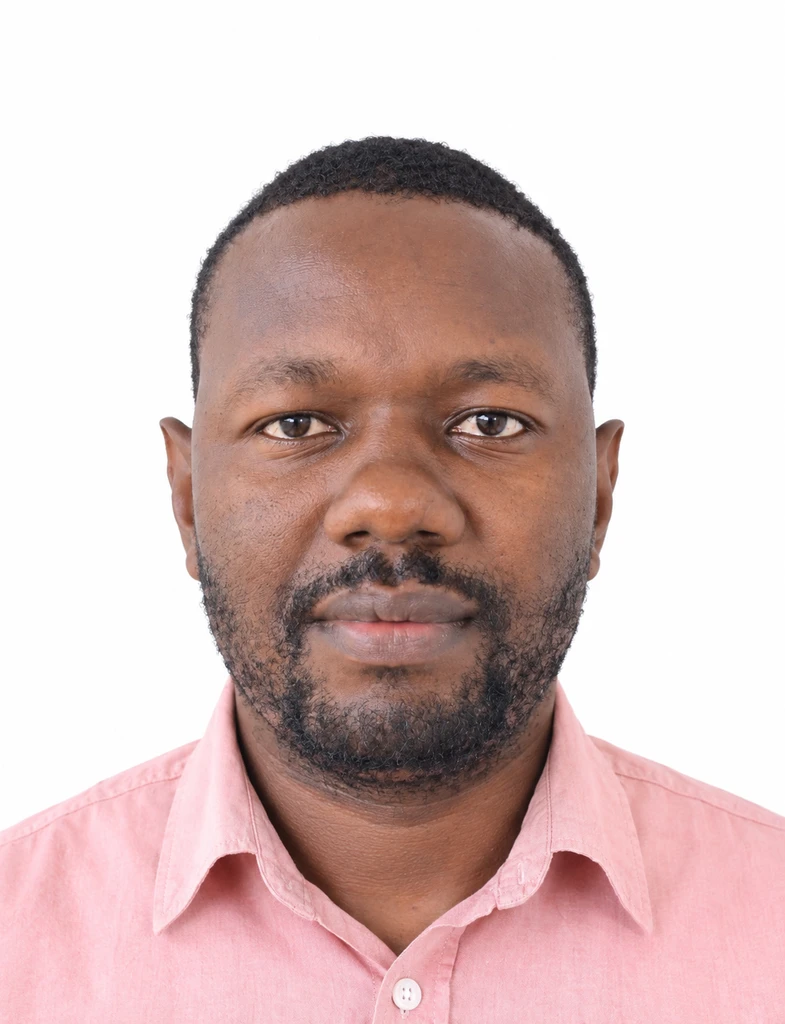
From his role on the ground, betting shop network consultant Andrew Osieko runs us through a typical week.
Monday
“Weekly reports. I’ll see how the retail shops have traded and go and look at the figures, the GGR and see ‘this agent has these figures. This is how we performed last week and this is how we performed this week.’ Then we discuss what happened. ‘This shop did well, this shop had quite a drastic fall. What did you do?’ Then that data goes to different people, like marketing.”
Tuesday
“We’re doing the accounting stuff, just purely books. The ledgers, the reconciliation.”
Wednesday
“I send to the agents for billing. We had agreed on certain percentages for share of revenue. When I go to talk to them, I say ‘this is what you’ve traded, now that’s what you owe me’.”
Thursday
“We go back to a monthly reconciliation – basically accounting. There are certain reports due to regulators by specific dates, the reconciliation in the banks etc.”
Friday
“The collection. People had invoices on Wednesday and I have to follow up. Have they cleared me? If they haven’t, I have to deactivate their system and reach out to them. I ask ‘Hey, you are to pay me now, what’s the plan? You haven’t paid me.’”
The risk operators take
Osieko sees the appeal from the operator’s side. “The best thing is the agent,” he claims. “You’re able to recoup your money very fast.”
But while both Nieri and Okinda also speak of the positives of agents, it is important to remember that neither 888AFRICA, nor Pakakumi, currently use them. So why is that?
Osieko might have the answer: “Depending on the model you operate…The agent is the one who holds the money, and when he holds the money, he could run away with it.”
He says that in the past, that risk was mitigated with agents needing to provide a security deposit. However, the “penetration of the black market” in Kenya has given agents a tempting alternative to working for licensed operators. Therefore, it is no longer common practice for regulated operators to ask for a deposit. Osieko adds: “You could tell an agent, do a deposit, and they tell you, ‘Look here, there’s someone giving this for free with a very good margin.’ That’s the worst thing in retail.”
Most players, they’ll win, and they’ll tell you ‘Just put the money in my phone!’
— Hydah Okinda, account manager (Africa), Endorphina
As in many jurisdictions, changes to taxes are a factor too. In 2019, Kenya decided to increase excise duty on betting stakes from 10% to 20% which, along with tax assessments, may have been a factor in operators like Betin leaving the market. As Okinda recalls from her time with Betin: “Operators used to give agents everything from their machines… we were doing 80/20. The taxes weren’t that high, so they used to make a lot of money. After that, the taxes came in. Most of them closed shops because the taxes are so high.”
She says that now, the split offered between agents and regulated operators is more like 50/50 – which isn’t so appealing. To combat that, agents are making profits by buying games from multiple operators to offer in one shop – as opposed to the old model of one operator per shop.
Okinda explains how this is one of the barriers for the majority of operators employing agents. “You don’t want to go with someone who will operate for months and then close shops, or someone who doesn’t want to be working with you alone,” she says. “I would call these agents bonus hunters, or discount hunters. They look at the best operator that is giving them discounts, [but when] they get someone else having better discounts, they run.”
Osieko has seen agent shops opening and closing first-hand and puts the constant change down to “competition, regulation, saturation”.
There is also the ever-present threat of crime. “You used to have a lot of security issues,” says Okinda. “Shops were being robbed. They got the slot machines. Now, before you open a shop, you have some rules. You need to have CCTV. You have to hire a security officer.” Fortunately, this situation has improved, with Okinda attributing that to less cash on the premises thanks to mobile banking via M-Pesa. As she puts it: “Most players, they’ll win, and they’ll tell you ‘Just put the money in my phone!’”
Crime of a different kind is also a deterrent for Nieri and 888AFRICA. He warns: “You will get instances of KYC issues, of children betting and stuff like that. It would be very difficult to manage that.”
Staying online only
These risks do put the agent model in stark contrast to that of online-only operators. As Nieri says: “Online is very simple. You can run an online business from a room. The management of [an agent] network is very difficult. The trust is a very important part. They take cash. Having that faith and belief that the cash will make its way back to the company is interesting.”
If 888AFRICA were to move in the direction of agents, he does not believe the barriers are technological but more around infrastructure and management processes, with some competitors having “an army of people, some have 10,000”.
One of those competitors is Elephant Bet – who are prominent in both Angola and Mozambique. Nieri claims that in a number of Elephant Bet’s markets, 70% of its business is through agents.
Asked how many African-facing operators run agents, Nieri thinks it’s 50/50, explaining how BetPawa is online only and, while they have a few shops, Betway is mainly online too. “The local players” are the ones he feels are more likely to set up agent networks, with his former employer Premier Bet mentioned as an operator that gets most of its revenue from retail African sportsbooks.
So what does the future hold for agents in Africa?
The three experts featured in this article are divided on the way things are going for the agent model. Osieko is pessimistic, citing the way regulators are making things more difficult. “Every day they are coming up with more unfriendly regulations.
“The market will not be eroded, but it’s going to be very much black market in the retail space. The people operating licensed companies are going to lose revenue.”
On the flip side Nieri thinks that “if anything, it will grow”. He continues: “I don’t think you’ll ever have a digital-only Africa. Not for the next 10 to 15 years, anyway.” From his own business’ point of view, he describes it as “a growth opportunity that we’re not tapping into at the moment…
“It will be a Venn diagram. There will be some digital and some agent customers who are working across both, but that will be quite small… I think it’ll be a permanent acquisition piece, more so than a cross-sell into online.”

Okinda’s view lies somewhere in between. While she doesn’t believe things like online affiliates are going to replace in-person agents, she warns that the model can be “really affected” by taxation and compliance.
“That’s the biggest determinant, actually,” she explains. “And people really fear it… but I hope in the future it will pick up.”
Either way, she says, for now “the agent franchise of shops is still big. It’s only that people haven’t realised it yet. There are still many other regions in Africa that have not been tapped, so you still have so much potential.”
As Nieri says: “There’s going to always be a requirement for it. It’s trusted, it’s physical, it’s there.”
Article Partner

WorldGaming Leaders' Summits
The WorldGaming Leaders' Summits are private, invite-only, in-person events for selected senior leaders, decision-makers and budget-holders in the iGaming industry.