
OPINION: Most disappointing part of the Budget is the government’s attitude
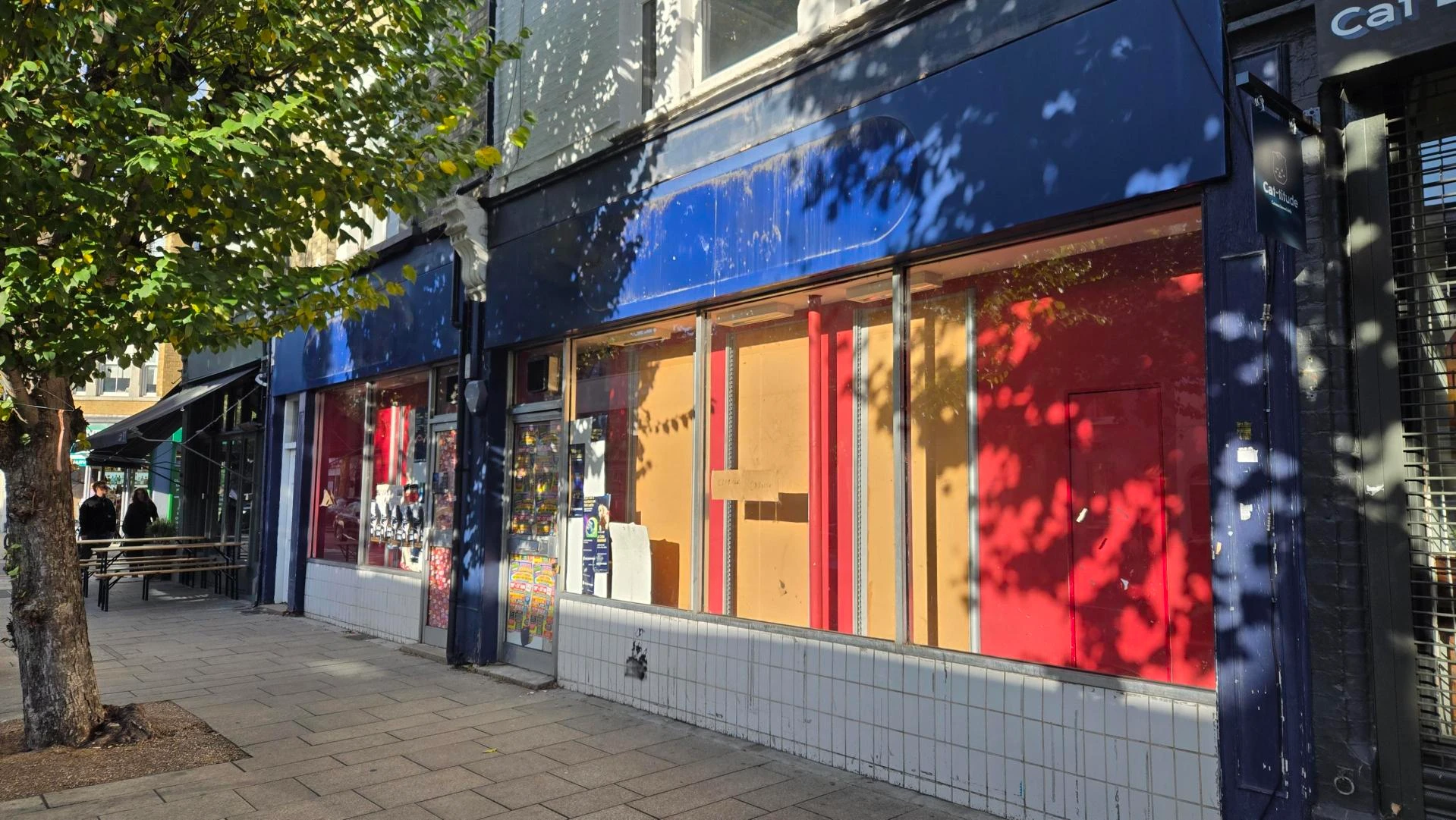
Prime Minister Andy Burnham’s government has, astutely, identified ‘the high street’ as a ripe political issue in the UK. There’s a pervasive sense across the country that high streets are in decline, and this government has latched onto that with a succession of rhetorical and policy pledges designed to give it a much-needed boost.
Largely neglected by previous governments and battered by cost rises, the covid pandemic and the growth of online commerce, the state of Britain’s high streets is a visible local issue people care about.
Supporting them is likely to play well across the political spectrum, and they directly or indirectly employ many of the ordinary working Britons that Burnham is attempting to target with his localist, basics-first flavour of politics.
But not every high street business is equal in this story. Every story needs a villain, and gambling premises have come to be framed as part of that villainy.
Back in August, Andy Burnham drew condemnation from the industry for lumping betting shops in with much-derided vape shops as ‘dodgy businesses’ as he announced greater powers for councils to reject gambling premises.
It is not exactly a new direction. When the previous chancellor Rachel Reeves nearly doubled remote gaming tax last year, she justified it by linking it to the harms caused by gambling. (The industry rightly pointed out that if this really was about reducing harm then it would funnel some of this revenue towards harm reduction measures, which it did not.)
A villain with deep pockets
It is therefore not a surprise that in the latest budget on 28 October, the government has chosen to cut business rates for high-street businesses – and fund it through a tax hike on gaming machines. Chancellor John Healey is raising the threshold for high street business rates so that more businesses will be exempt, and others will see a real-terms freeze.
“To pay for this support for our high streets, I am raising taxes on gambling,” Healey declared, revealing that Adult Gaming Centres alongside vape shops would also be exempt from the business rate support. “[I’m] raising taxes on gambling to support good growth on every high street,” he reiterated later in the speech.
Allies and gambling reformers celebrated the decision. MP and anti-gambling campaigner Alex Ballinger said on X that “supporting our high streets should mean backing local businesses that help them thrive, not serving the interests of the gambling industry.”
Dawn Butler, who campaigned heavily to get aim to permit overturned, also praised the decision to fund business rate cuts using gambling taxes. “Basically we’re taxing harm to help good business,” she declared in a video posted to her Facebook while calling for Healey to go further.
A thank you would be nice
The contrast in narrative could not be starker between gambling’s MGD hike, which will fund high street support, and a ‘time limited’ banking levy hike also unveiled in the budget, which is earmarked for energy bills support.
Healey explicitly praised the banking sector in his speech when announcing the three percentage point levy hike, thanking banking for its contribution to the British economy while politely asking it to “help fund breathing space” for ordinary British people.
“Our world-leading banks make a huge contribution to this country in the tax they pay, in the jobs, industry and investment they support,” Healey effused. “As Chancellor, I want to say directly to our banks, I celebrate and am grateful for the role you play.”
Gambling was spared from this reassuring preamble. And herein lies perhaps the most disappointing part of the announcement of the second gambling tax hike in the space of a year: the government’s attitude. It sees the sector as a cash cow that stains the high street — and therefore can (and should?) be taken from at will.
A door to further pain
While Healey falls over himself to beg the banking sector for political permission to temporarily raise their levy, gambling is not seen as an industry that needs to be thanked or reassured in any way.
To be sure, I understand that in order to revitalise the high street — a worthy goal — money must come from somewhere. Gambling premises are a convenient source given their presence and concentration on high streets, particularly deprived high streets, is a concern for many segments of the public. (Even the far-right Restore UK MP Rupert Lowe received widespread negative reactions from followers in an X post opposing the tax rise.)
And there is sense to making the gambling industry pay. Gambling can and does cause harm in local communities and there is a very fair argument that the sector should contribute more to those communities as a result of that.
I support the idea of operators paying back to the high street in the form of higher taxes, which go to helping other businesses. There’s even an argument the sector could embrace it as a source of pride – and a source of desperately needed legitimacy at a time of worsening societal attitudes towards the industry.
But this latest policy move pushes us even further away from a mutually constructive framing. By reducing the sector to a barely tolerated resource for funding good types of businesses, the government signals an unwillingness to factor in gambling premises’ legitimate value to the high street – which, YouGov recently found, includes driving wider high street spending.
Worn-down shop fronts with dreary interiors does in fairness contribute to the drabness of many high streets, but an MGD hike removes both the funding and incentive to refurbish those shops. It is a self-defeating cycle.
Words can hurt like hell
It is tempting to argue that a tax hike is a tax hike and the fluffy words through which it is announced don’t matter. But they do matter; by rhetorically framing gambling as a vice with deep pockets, it legitimises further tax hikes down the line, which will precipitate further high street shop closures and further high street job losses.
This is why the government’s attitude is arguably more disappointing than any tax hike alone.
We knew an MGD hike was coming; it had been trailed widely in the press, both the feared 40% rate and the lessened 25% rate. And while there will be consequences, analysts have said the five point rate increase may well be tolerable and mitigatable by firms.
But given the government’s framing, there is no certainty for operators that the government won’t come back for more at the next time of asking. Some Labour MPs, such as Dawn Butler, have already said they still want to see MGD at 40%.
There is a lack of clarity in Britain over the long-term regulatory and fiscal picture the sector must operate within, which operators say is hurting investment and their ability to plan long-term.
Burnham and Healey’s attitude towards the sector does damage beyond the immediate economics of their actions in a way that will hurt, not help, their beloved high street.