‘Dodgy business’: UK market tenses as industry loses favour
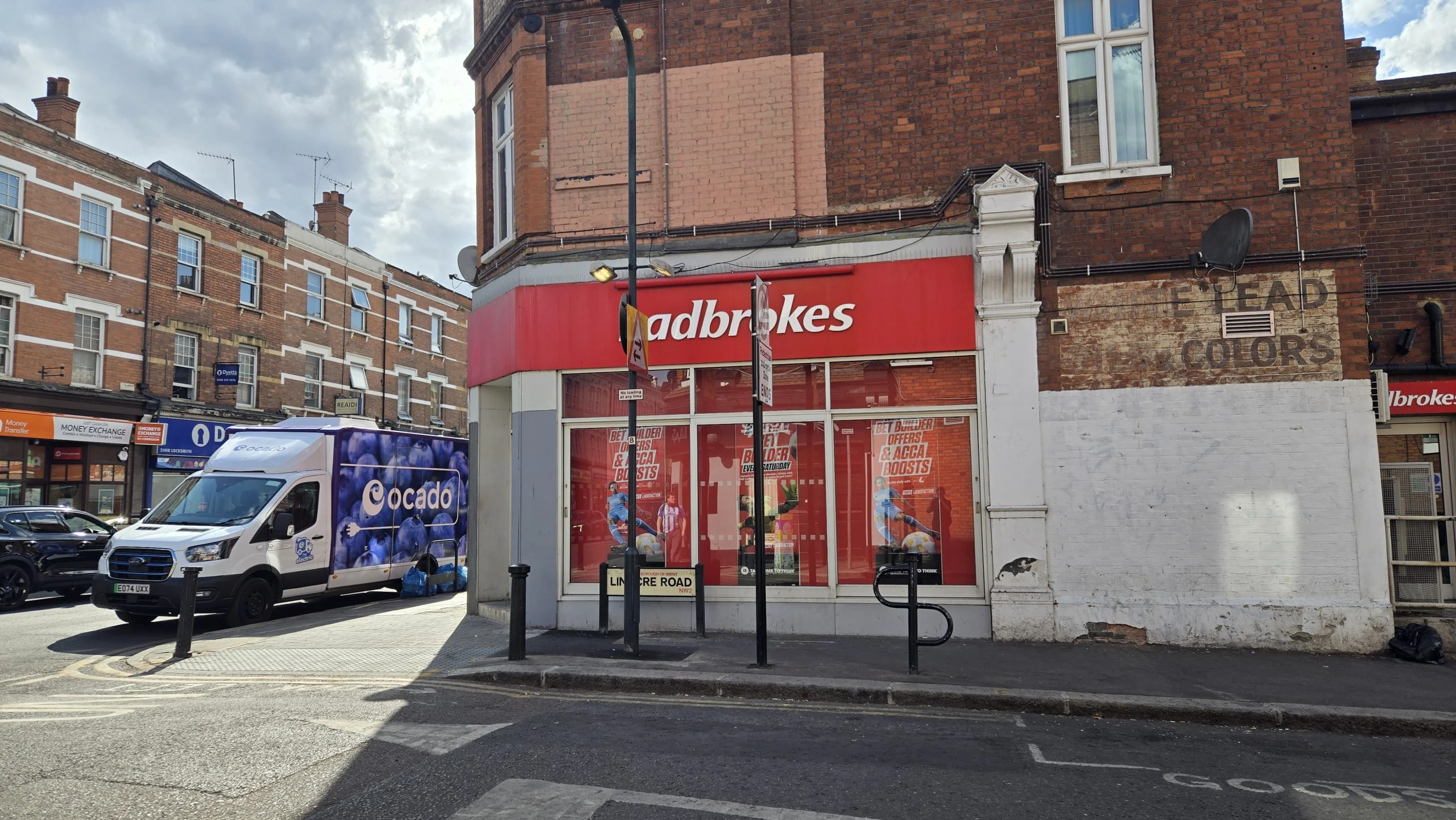
If betting shops are a fixture of Britain’s high streets then the streets of Brent, in north-west London, differ from the norm only in their concentration.
Enough of the retail units of Brent’s Victorian and Edwardian-era high street buildings are occupied by betting shops and slot arcades that the borough ranks second in London by number of gambling premises – a fact which has motivated local politicians to wage a campaign against the ills of gambling and their perceived lack of power to control it.
Local politicians have been vocal in the press, council meetings and social media about the damage caused by the growth of betting shops and other gambling premises in their area, and they played a leading role in convincing the government to scrap aim to permit earlier this month.
Local MP Dawn Butler campaigned publicly on the issue, organising a cross-party letter to the Prime Minister. In the leadup to the decision, the council declared a ‘gambling harms emergency’ and sent a delegation of politicians to Number 10 to promote a six-point plan to stop the spread of gambling premises.
However, council licensing data reviewed by iGB shows that the local authority hasn’t granted a betting shop licence in 13 years.
Brent council did not respond to multiple requests for comment on why it has campaigned publicly against the proliferation of betting shops in its area despite last approving one in 2013. Dawn Butler MP also did not respond to requests for comment.
iGB understands that some politicians within the council are more concerned about Adult Gaming Centres (AGC’s) than betting shops, however council data also shows that only three AGC’s have opened in the borough in the last five years.
Figures also indicate total gambling premise numbers in Brent are on the decline. Brent council declared in January 2025 there were a total of 83 gambling premises; its database now lists 75, a net drop of eight in under two years.

Storm in a teacup?
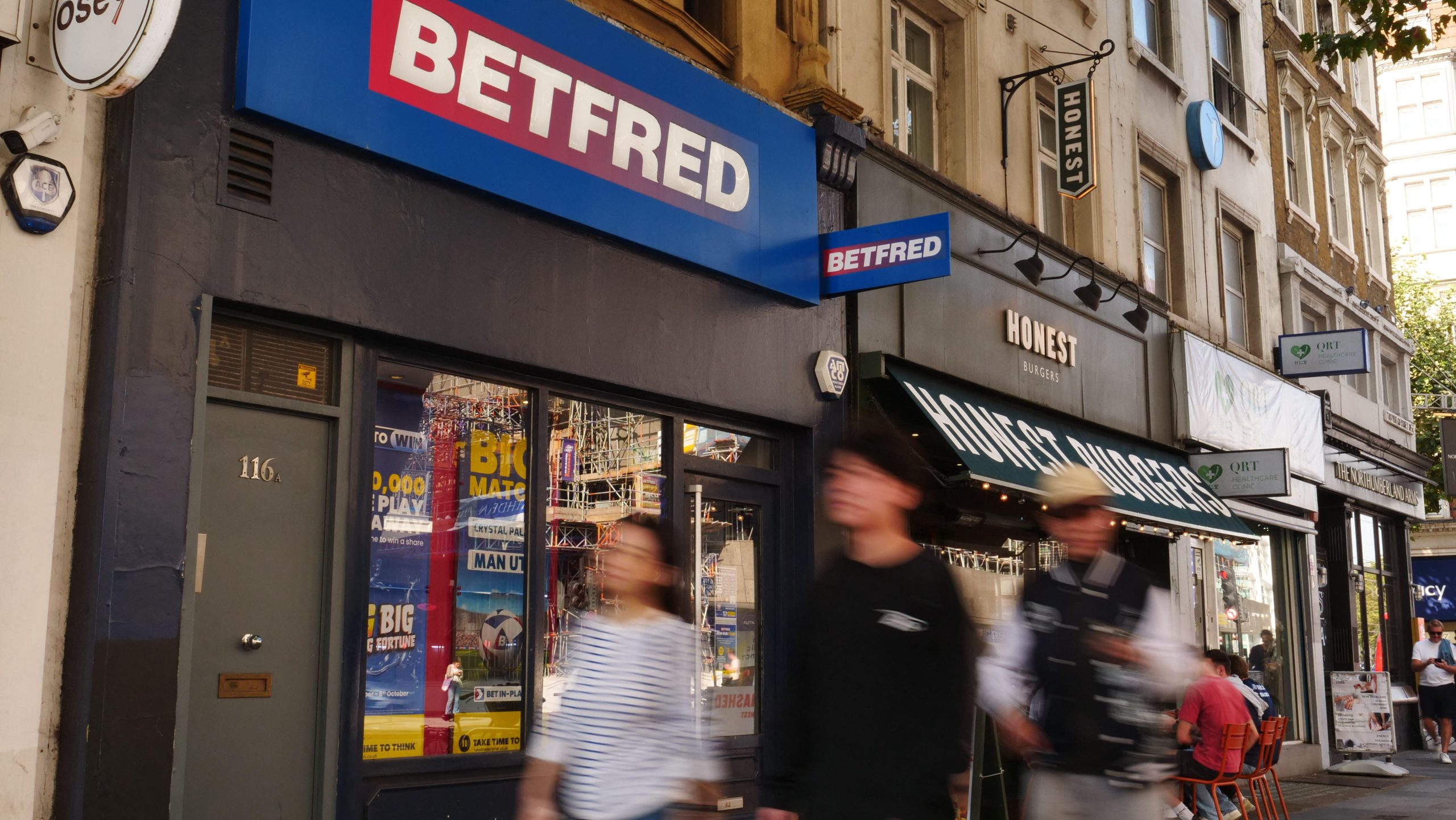
Brent is indicative of a story playing out nationally. When Prime Minister Andy Burnham announced he would be making it easier for councils to say no to new betting shops, he framed it as a fight against the dominance of ‘dodgy businesses’ on the high street.
Yet on a national level, betting shop numbers have steadily fallen from a high of 9,128 store fronts in 2012 to just 5,789 in 2025, according to Gambling Commission data. Betfred and Evoke have both announced plans to close hundreds more stores in recent months.
AGC numbers have also remained relatively flat in recent years. Gambling Commission data shows the number of AGC’s dropped from a high of 2,247 in 2012 to 1,464 in 2019 and has plateaued since, hitting 1,415 premises in 2025.
Greg Knight, CEO and owner of UK betting operator JenningsBet, tells iGB the brand opened just four new shops nationally last year. For Knight, the dwindling number of shop fronts exposes the political nature of the fuss being made around controlling retail gambling. “What’s Andy Burnham gonna do next, promise to shut down all the video shops?”
Politics over policy
In his analysis of major UK operator groups’ latest quarterly earnings, Scott Longley in his Earnings+More newsletter said businesses are feeling the heat amid a “markedly harsher political backdrop”.
Yet that harsher political backdrop and the recent policy changes it has produced do not appear to be driven by evidence-based decision-making.
The controversial decision to scrap aim to permit for example – a core component of the Gambling Act and key to its balance of liberty and harm – appears to be more of a political goal than pursuit of necessary gambling policy change.
Eight of the councils that signed Brent Council’s plea to government to scrap aim to permit due to concerns over gambling harm in their areas did not carry out a single gambling premise inspection in 2025/2026 — the core mechanism available to councils to monitor gambling harm and compliance in their area. 124 out of Britain’s 350 licensing authorities nationally carried out no gambling licence inspections last tax year.
Evidence is a massive issue as well. It’s already an issue now, it’s going to become an even bigger issue.
— Louisa Clark, RulePlay
Dawn Butler, the MP who campaigned heavily to remove aim to permit, penned an opinion piece in the Guardian claiming victory in her battle. But like Burnham’s announcement, she fails to articulate what comes next, underscoring the glaring lack of clarity over how council licensing decisions will work once aim to permit is removed.
“I think there’s a lot of oversimplification of what this actually means in practice,” warns Louisa Clark, a UK compliance specialist and founder of RulePlay. “Removing those three words [aim to permit] is the beginning of the exercise. What’s much more important is what replaces them. What is going to underpin the decisions?
“Evidence is a massive issue as well. It’s already an issue now, it’s going to become an even bigger issue.”
Aiming down the wrong sights
Raising further questions around the decision-making underpinning the aim to permit announcement is the impending arrival of Gambling Impact Assessments (GIAs).
GIAs are new statutory powers passed through as part of a devolution bill in April this year which will allow councils to deny new gambling premise licences if there is evidence a new one would undermine a council’s licensing objectives.
Set to come into effect soon, this would have been an evidence-based route for councils like Brent to exercise control over their areas when it could prove risk of harm – raising questions about why aim to permit was overturned if an evidentiary mechanism to achieve the same outcome was already coming into place.
Knight tells iGB aim to permit won’t have a significant effect on JenningsBet given its acquisition-led growth strategy. In fact, he said the increased difficulty of opening new stores may actually give incumbents like him an advantage. But he also expresses confusion over why aim to permit was overturned given GIAs were already on their way in. “The risk assessments were there, it was in the post anyway,” he says.
Government really needs to take care that gambling policy does not take us back to before 1961
— Andrew Lyman, Gibraltar gambling commissioner and former UKGC director
More broadly, Clark questions why gambling policy is being used to tackle national priorities, such as the composition of the high street, in the first place.
“The Gambling Act is specifically about gambling risk, it’s about gambling premises and gambling risk,” she says. “It can’t really do much to change the face of the high street, but they’re using aim to permit as kind of the vehicle to do that.”
Andrew Lyman, Gibraltar’s Gambling Commissioner and a former director at the UK Gambling Commission, also highlights the unclear rationale for removing aim to permit. He argues that recent policy decisions had already resulted in a reduction in betting shop numbers and flatlining AGC numbers even before the aim to permit announcement.
“If the policy announcement was superficial then that could be seen as irresponsible. Government really needs to take care that gambling policy does not take us back to before 1961 where demand for betting (and now gaming machine use) is met by the illegal market as opposed to regulated operators.”
Good to Know:
Aim to permit what, exactly?
As concerns mount that it could be used as an opportunity for broader gambling reform, lack of clarity continues to cloud the aim to permit announcement.
Given Andy Burnham’s high street-oriented framing, the industry has assumed that the government’s announcement relates to Section 153 of the Gambling Act, which guides councils to ‘aim to permit’ shop license decisions.
But Section 22 of the Act also places a responsibility on the Gambling Commission as a whole to ‘aim to permit’ gambling. The government has not clarified which section(s) will be overturned.
“If section 22 is also intended to be amended, the implications could be significantly wider, potentially affecting the Commission’s overarching statutory approach to operator licensing and regulation and could give the Commission greater scope to pursue a more restrictive approach,” Louisa Clark warns.
“What we currently have at the minute is confusion, we’ve got uncertainty, we’ve got a lack of clarity.”
British gambling’s image problem
It is clear that the trajectory of gambling in Great Britain is complicated by its reputation, from the Prime Minister’s cavalier choice of words right down to local decisions.
In explaining their decision to deny planning permission for an AGC in Somerset last week, for example, local councillors argued it would degrade the town centre and lead to anti-social behaviour. One of the councillors involved in the decision was quoted as saying: “I don’t gamble, but I don’t understand why it is a good thing,” before adding: “Whatever the regulations say, we know [gambling] is an issue.”
When Andy Burnham grouped betting shops in with ‘dodgy businesses’ in his recent aim to permit announcement, the industry cried foul and leading voices reacted with disdain. But some in the industry have argued that a turn of fortunes shouldn’t come as a surprise.
Writing on LinkedIn, Alun Bowden, SVP strategic insights at Eilers & Krejcik Gaming, critiqued the industry’s pearl-clutching over Andy Burnham’s framing.
“This industry often refuses to consider how lots of other people view it. It’s got such a clear image in its head of what it thinks it is, that it just dismisses claims to the contrary even if they are held by a large number of people or, in this case, the Prime Minister of the nation.”
“This is a bit of a problem,” Bowden concludes. “If you can’t see where you are the problem, how can you ever find the solution?”
When the UK National Lottery launched in 1994, The Times wrote affectionately about the positive experience of gambling for the ordinary Brit. “A man is seldom as harmlessly employed as in fantasy about a pot of gold at the end of the rainbow,” it wrote at the time.
In fairness, a succession of faster and riskier products have been invented in the proceeding decades, but you’d nonetheless be hard pressed to find anyone write so sympathetically about British gambling today.
Terry White, a former betting shop manager turned gambling harms advocate, argues the industry’s conduct is the primary reason for the current policy backlash the country is experiencing.
“[Operators] have been able to look at the last 10-15 years, they’re understanding that they’ve been asked to do certain things and failed to do it,” he tells iGB.
White claims we’ve lost a culture of staff looking out for players and stopping them when things get bad. “There’s always a place in any high street for a well-run betting shop. What I always object to is when they come along, they stick staff in with very little training, little interest, low pay, and all of a sudden it’s like walking into the Wild West.”
Knight also claims there’s been a perception shift in the public imagination as gambling has moved online, and many remaining retail locations have lost their sense of community.
He says the nature of gambling has changed from 2007 onwards. “It had its detractors then, there were people that were certainly not pro gambling shall we say, but nothing like it is today. I think we have to understand where we sit with some people.”
The future is political
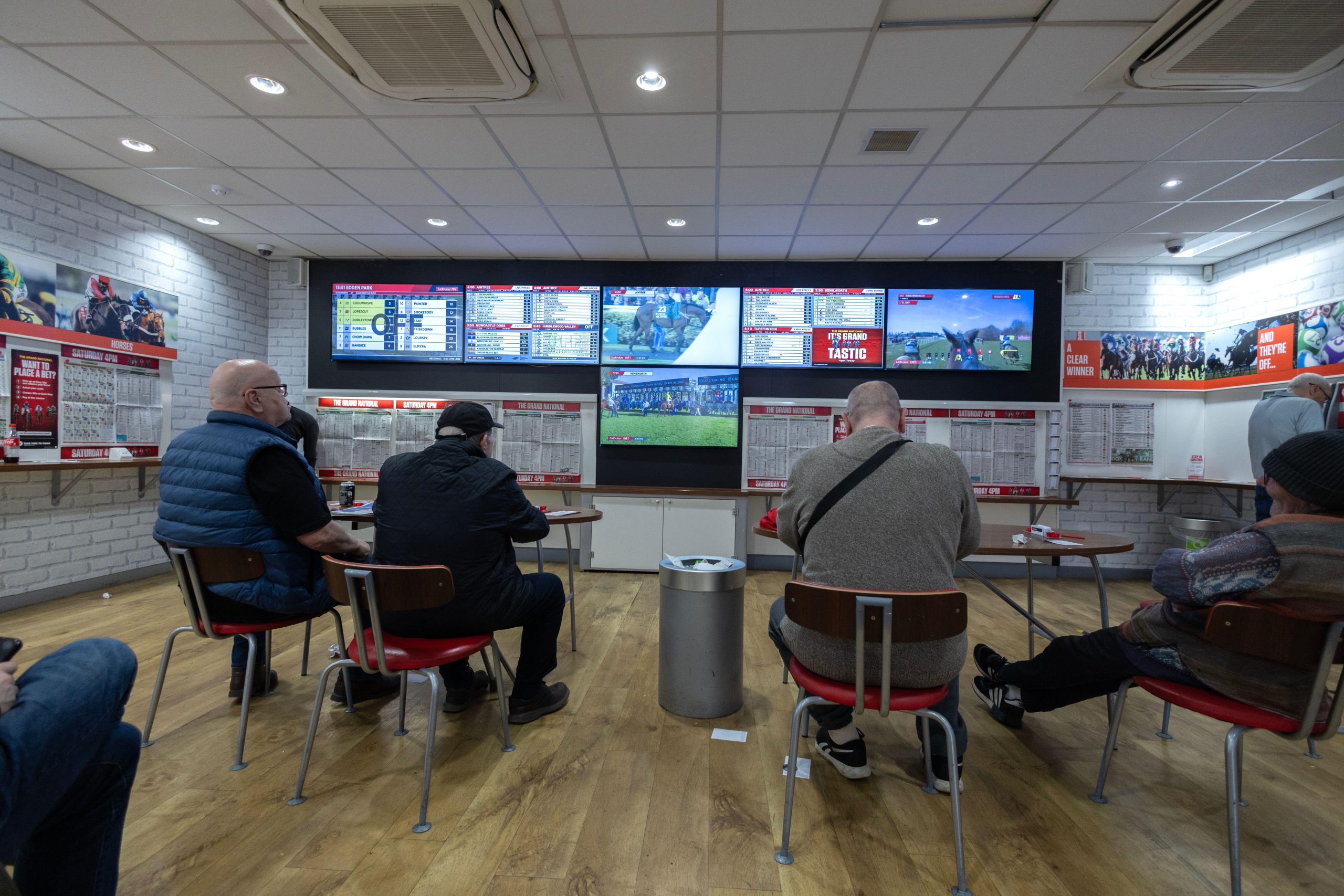
Knight sees fostering community as a vital route to improving perceptions of the industry. As CEO of JenningsBet, he organises regular excursions to the races for hundreds of his customers and staff. “If you foster that community spirit, a bit like a local pub, it does the same thing. People go for social interaction, not just betting.”
Admitting it was an “old school” way of operating, he says this disappearing function of gambling premises is part of why opinions on gambling are worsening publicly and politically.
Those worsening opinions appear to be feeding directly into policy decisions, decisions that risk undermining the founding thesis of the Gambling Act – that gambling is a legitimate leisure activity to be controlled through evidence-led regulation.
Whatever the cause, the stakes are high for the industry. The Betting and Gaming Council is keen to highlight to decision makers the net positive it brings to the UK economy when it is guided by research-backed policy.
“The industry will continue making the case for evidence-led, proportionate policy and demonstrating the contribution it makes to jobs, investment and high streets. What matters is that Government fully considers the cumulative impact of further tax and regulatory change,” the lobby group tells iGB.
Despite all the headwinds facing the UK market – affordability checks, the mandatory industry levy, online tax hike, aim to permit removal, and a potential upcoming hike to machine game duty – Knight is confident in the viability of UK retail.
He describes shop closures across the country as a right-sizing rather than a death knell, and points to demographic stability in his shops and growth within some products as cause for optimism.
Gambling Commission data also shows that while betting shop numbers are declining, revenue per shop is rising; betting GGR per shop is up 37% since 2019 while shop numbers fell 24% over the same period.
Assuming no more turbulence, retail will eventually normalise, Knight says. What worries him, and much of the rest of the industry, is the course being pursued by politicians.
“My actual concern is not the economics, I think there’s enough demand there,” he says. “My big concern is political.”