What do industry experts consider the biggest issues affecting sports betting in Europe?

Globally, sports betting is one of the most exciting products right now, with fans across the world engaging in gambling on football, tennis, golf and more. But in Europe, the industry’s spiritual home, regulated operators are being squeezed out with pressure coming from several different directions.
As taxation and advertising curbs combine to reduce margins for legitimate operators in Europe, the black market is growing in popularity.
The Netherlands is a great example, with a tax increase announced in 2024 and coming into effect the following year. Since then, onshore sports betting GGR has dropped significantly, while offshore GGR continues a steady rise.
So how can operators continue to grow, with techniques that made player acquisition simple in years gone by, such as large welcome bonuses and prominent advertising, no longer easy to come by?
The tax trap
The current trend of governments across Europe raising gambling taxes to plug fiscal budgetary holes is wreaking havoc on the gambling industry. These policy makers remain largely unaware of the economic reality that users are pivoting to offshore operators.
iGaming consultant Henk Wolff, who has over a decade of industry experience since starting out in marketing with Belgium-based operator Blitz, insists governments see this as an easy solution. “But,” he says, “if you put the tax above the 30% threshold, you see a lot of black-market activity in that country because these operators can no longer compete.”
“The more countries try to over-profit and overdo taxes on iGaming, it’s where they’re going to lose. A good example of this will be the UK. We’ve already got this in Belgium, where the black market is pretty much dominating, and we’re seeing in the Netherlands, more than half of players are going to black market casinos.
If you increase taxes too high, it just pushes players towards the black market, and that's scary. More money seems fun [to a government], but there's a limit to what an operator can take
— Henk Wolff, iGaming consultant
“I understand why countries do it, but there’s a certain limit that you can push it to because of the market. We’re not like tobacco, we’re not like other entertainment products, we’re not like alcohol.
“If you over-regulate, if you increase taxes too high – there are so many studies out there. It just pushes players towards the black market and I think that’s scary. More money seems fun [to a government] but there’s a limit to what an operator can take.”
The Netherlands: When regulation takes it too far
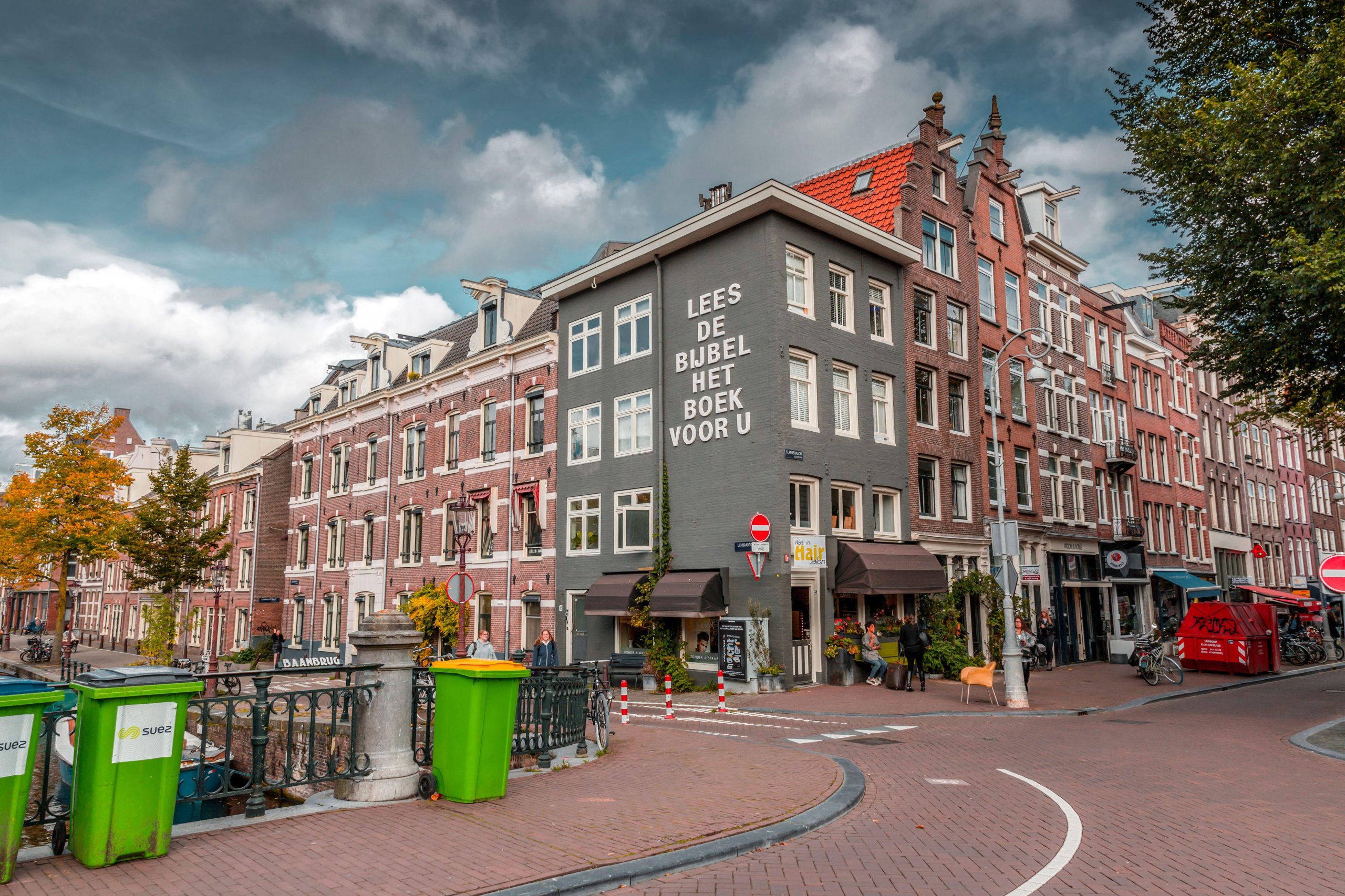
The Dutch market once looked promising for the regulated online gambling sector. But a rise in tax from 30.5 to 34.2% in 2025, followed by a further increase to 37.8% this year, changed that. LiveScore Bet, overseen by CEO Sam Sadi, had launched there in October 2021, but were forced to withdraw from that market in November 2024.
Sadi picks up the tale. “We were one of the first six licensees in the Netherlands when the market decided to regulate. We thought that would be a good opportunity, we have a million users on the LiveScore app there.
“So we said, ‘OK, great place to export this business model’, which had already been proven to work in the UK. But a year after, incredibly tight regulations came in with strict regulations around reporting, and then an increase in taxes, which effectively brought them close to 50% effective, because they calculate on GGR,” he explains.
“It would have taken maybe 10 years to turn profitable. We need to make sure that we can invest in ventures that have quicker returns on capital, so we had to exit that market.”
A year and a half after exiting the market, Sadi reflects on how it took just a year to realise how challenging it would be. He says: “The market developed the way we anticipated. Channelisation initially was around 80-90% but now it’s down to around 60%. All the top player segments and high-value customers are offshore now.
“That’s a general threat to the industry all across Europe, but especially in heavily taxed markets like the Netherlands.”
An easy decision
Asked by iGB about how hard a decision it was to pull out of an initially promising market, Sadi replies: “It was one of the easiest decisions as a company, and personally.
“I embrace making decisions on maths. It’s very formulaic. So the decision was made the moment it happened.
“We know how to forecast. Our business is very predictable, and the amount of capital we have is finite. So, we have to make those decisions that if they increase tax rates to a certain point, your margin goes to a certain level. You do the maths, and then decide whether that’s the best way to invest your capital.”
Henk Wolff, who hails from the Netherlands, adds: “The Dutch market is becoming more and more difficult. They’re creating a higher barrier to entry. I think they have put themselves in a weird labyrinth and I wouldn’t recommend an operator to start there.
“It is in a silly position and with a marketing ban coming up – it’s in a tough pickle. Until that uncertainty has cleared up and they realise what they’ve done with the extremely high taxes, I wouldn’t go there.”
Wolff sums it up nicely when asked which European markets he’d avoid if launching a sportsbook this year. He quips: “The Dutch market has been squeezed like a lemon and I don’t think there’s much juice left there. I’d avoid that one like the plague.”
An ideological signal for the sector to fail
The UK is a prime example of incoming tax increases placing immense pressure on the sector and its already strained profit margins. Remote gaming duty on 1 April was increased to 40% in the UK following November’s budget announcement. LiveScore Group CEO Sam Sadi, an industry veteran who founded his first sportsbook in 1999, believes the move sends an extremely negative message to the sector in terms of future regulation and the industry’s survival.
He insists: “A 40% tax increase tells the industry, ‘We have no interest in regulating you in a way you will continue to succeed’. It’s a way of saying, ‘We want that industry to shrink and we don’t mind that the consumer is no longer protected, and they go play in offshore operators’.”
“It is just an ideological signal that we don’t want strong online gambling companies that are leaders in that space in the world, which the UK has always been until just a few years ago.
“If you look at Flutter, that’s not a UK business anymore. It’s more of an American business. It’s a shame, really. I feel very hurt by these decisions, because we believed in the liberal economic philosophies of this country.
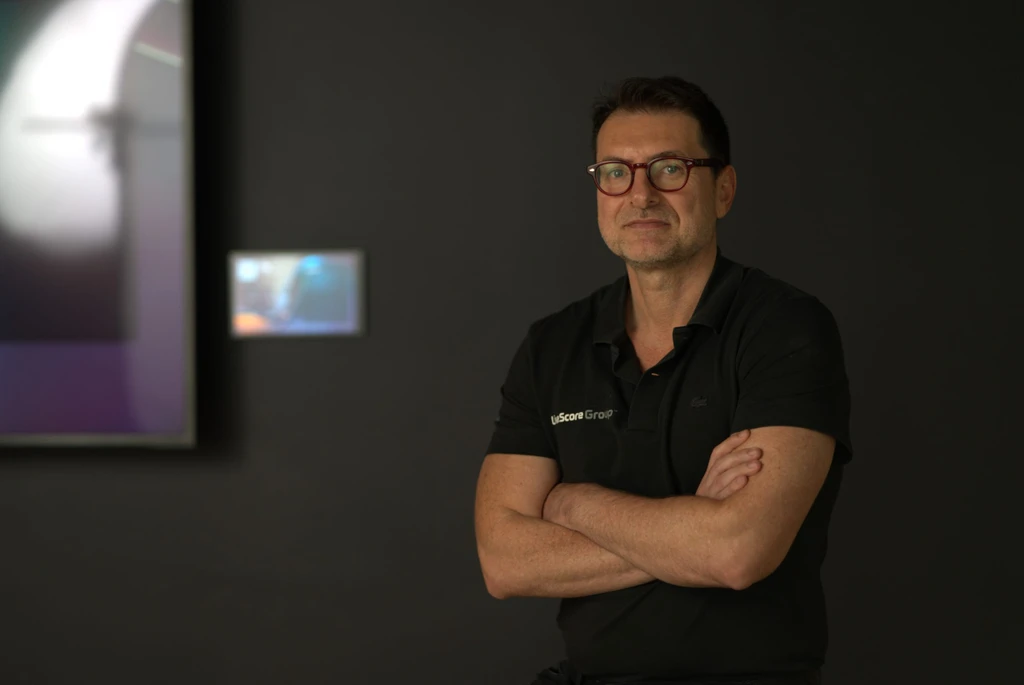
“The only thing we can do now is understand the environment we operate in. These are the margins we have, and we’re going to be operating with a handicap because offshore operators operate at 90% margin, whereas we have a 30-35% margin.”
A cautionary tale
The original case of over-regulation in Europe is that of Sweden. Charles Lee, CEO of kwiff, the UK-based sportsbook known for its innovative ‘supercharged odds’ mechanic, sees it as a cautionary tale for other markets. Lee explains: “Sweden introduced around 22% tax [in July 2024] and everyone went ‘Bloody hell, why would you operate there?’
“They had a big growth spurt in the black market, so channelisation went way down. It reduced constantly, because you can’t really stop the illegal market from entering the territory.
“You could deny it’s there, which the Gambling Commission in the UK did for a number of years, until suddenly, they’re closing down hundreds of thousands of URLs. Well, if there was no black market, why are they having to close so many URLs down?”
The advertising paradox
Taxation aside, advertising restrictions are also rife across Europe, further stagnating sportsbook growth. In Italy, there’s a blanket ban on printed ads and no broadcast ads are permitted between 6am and 11pm, and in Belgium, general public advertising is prohibited. This summer, a front-of-shirt sponsorship ban for gambling operators comes into force in the UK Premier League. This was a voluntary response from England’s flagship sports competition in the face of anti-gambling pressure.
For Sadi, there’s an element of hypocrisy here. “What have you exactly banned? Asian operators targeting their markets through international Premier League broadcasts?” he questions.
“Around 90% of those sponsors were foreign, and probably 90% of those are unregulated operators who have no other mass media access to their markets except going through the Premier League.
“There are not many industries that can deliver returns on a sports audience like sports betting does. It’s a direct engagement on the sports itself. Sure, everybody who watches sport may use Gillette, but it’s not [linked to] sports directly.”
Finding workarounds
Lee also questions how much of a difference it’s going to make. In fact, kwiff sponsors the lower back position on the shirts of Scottish football club Motherwell. He says: “We get approached by quite a few clubs in the Championship and Premier League, but I don’t think I’ve ever seen so many different positions to advertise on a shirt that isn’t the front. Suddenly you’ve got the shoulder, the back, the lower top back…”
It's insane. Lisa Nandy and the Labour Government have talked about it, but they can't even prevent one of the most accessible viewpoints [from being used by unlicensed operators]
— Charles Lee, CEO of kwiff
Sadi thinks there are bigger issues to address around restricting who sees advertising, which could be helped by age gating – something he says is easily implemented. “You need to restrict exposure for untargeted audiences and on digital platforms, you have all the means to understand who the audience is,” he explains.
“On [LiveScore‘s media platform – news and scores app], we only show betting advertising to 18 plus customers, as one of the only sports apps that makes it mandatory to declare your age. So there are things that can be done.
“My main concern is, let’s make a little bit of extra effort to stop every other reel on Instagram being ads about offshore bookmakers. Or Google displaying non-GAMSTOP casino ads on their front page next to my brand.
“If that is done, it levels the playing field a little bit, but let’s see. We’re still hopeful. The UKGC has an extra budget to fight illegal operators, and we’d like to see more of that.”
The black market beneficiary
This combination of high tax rates and advertising restrictions is undoubtedly creating a structural advantage across Europe for the illegal market. Sadi provides the relevant case study of Turkey. He says the offshore markets went from about $500 million to $2 billion a year, and the onshore market is about a billion. “Turkey banned online gambling in 2007, then regulated sports betting only, the year after,” the LiveScore Group CEO laments.
“Last I checked, the onshore market feeds the offshore market, because the onshore market is sponsoring everything and educating people about sports betting.
“It creates that market, but it’s an uncompetitive product due to high taxes. So [bettors] start there and then realise they can access an offshore operator that gives incomparably better service and odds, plus they have casino, poker, every other vertical you can imagine. So they create the market, and then offshore operators benefit from it.”
Sadi expects 25-30% of the UK market to be offshore within the next two years, based on the trajectory of other countries. He says the Netherlands has lost around 30% to illegal operators since regulating, while Germany has lost around 80% already.
“Germany has proven what happens if you increase taxes even further or introduce limits or requirements for casino games like lower RTPs. The market is offshore.”
‘They can’t stop the black market advertising‘
Lee describes the illegal markets in Germany and the Netherlands as “booming”. He believes once the black market opens up, it’s hard to control because offshore operators are “savvier” than governments when accessing players.
The kwiff CEO gives some great anecdotal evidence, recounting: “They currently advertise on UK Premier League football shows. There are gambling operators without licenses doing that today, advertising on billboards around stadiums.
“I was at Crystal Palace vs Chelsea recently. A Chinese gambling operator that doesn’t have a UK licence was advertising on a billboard in the stadium.
“It’s insane. [Secretary of State for Culture, Media and Sport] Lisa Nandy and the Labour Government have talked about it. Stella David, [CEO of] Entain, has mentioned it, but they can’t even prevent one of the most accessible viewpoints, from a UK brand point-of-view, [from being used by unlicensed operators]. They can’t stop that because the football clubs want the revenue, and they’ve got agreements.”
In February, Nandy announced plans for the government to consult on banning unlicensed operators, but it remains to be seen if it will actually happen.
The consolidation squeeze
So what is going to happen to legitimate operators in key European markets over the coming years? Realistically, size is going to matter more than ever, with only the very largest operators capable of absorbing the increased tax costs.
Of course, fewer leading businesses could create problems with less innovation and less competitive pressure when pricing up odds.
Sadi believes scale is going to determine success. He says: “The market is consolidating. If you look at the UK, if you made £100 million a year, you’d be considered a tier-one operator in the past. Now, tier one means just the portfolio companies: Entain, Flutter, bet365 – they’re just an independent giant – and Evoke, in a certain sense.
“We’re talking about half a billion and more, almost a billion and more in revenue. The only way to absorb all these new regulations and taxes is just to have scale.
“This is happening in many countries, and the more it continues this way, you’ll see every market consolidate to a top three, like it’s going to do [in the UK]. There’s going to be a wave of consolidation.”
Moving to pastures new
Another possibility is European operators moving their capital and switching their focus to other parts of the world. “Capital is mobile. Flutter is going to take maybe £100 million of their marketing budget and move it to [US Operator] FanDuel, or to Georgia or Italy, where they get better returns,” Sadi points out.
“Just like we are moving capital to South Africa and Nigeria, because we have better returns on our marketing. Our technology, brands and operational capabilities are applicable there as well. We’re perfectly happy being a UK-focused operator. This is our home, and where we have most of our people. This is where our history is.
“We we’re happy continuing to get market share here, and we’re planning to continue this for a long time. But I suppose the legislators see a different path for our industry than we would have imagined.”
Consolidated markets
At one time, LiveScore Group were considering launching in Bulgaria, but Sadi recounts: “Three months before we were getting ready to launch, they banned most forms of advertising. For challenger brands, how are you going to get market share?
“You don’t have access to Google or Facebook, you can’t communicate bonuses, calls to action or sponsorship. It really consolidates the market to the incumbents.
“If you have market share, great, you don’t have to even spend much anymore, because you don’t have to defend your turf. That’s really what’s happening when you introduce so many barriers to entry, so many extra costs.
“You just consolidate the market to two or three top operators, and it seems legislators and regulators don’t have a problem with that.”
Wolff believes brand awareness is a key factor for operators thriving in this industry. He adds: “A player knows the brands. They don’t know the acquisition channels, they don’t know the affiliate name and they don’t know the company behind it. But they do know bet365.

“So having a strong brand is the world. And when we’re talking about player retention, it’s five times cheaper to retain a player than to acquire a new one.”
Where’s the opportunity? Market by market
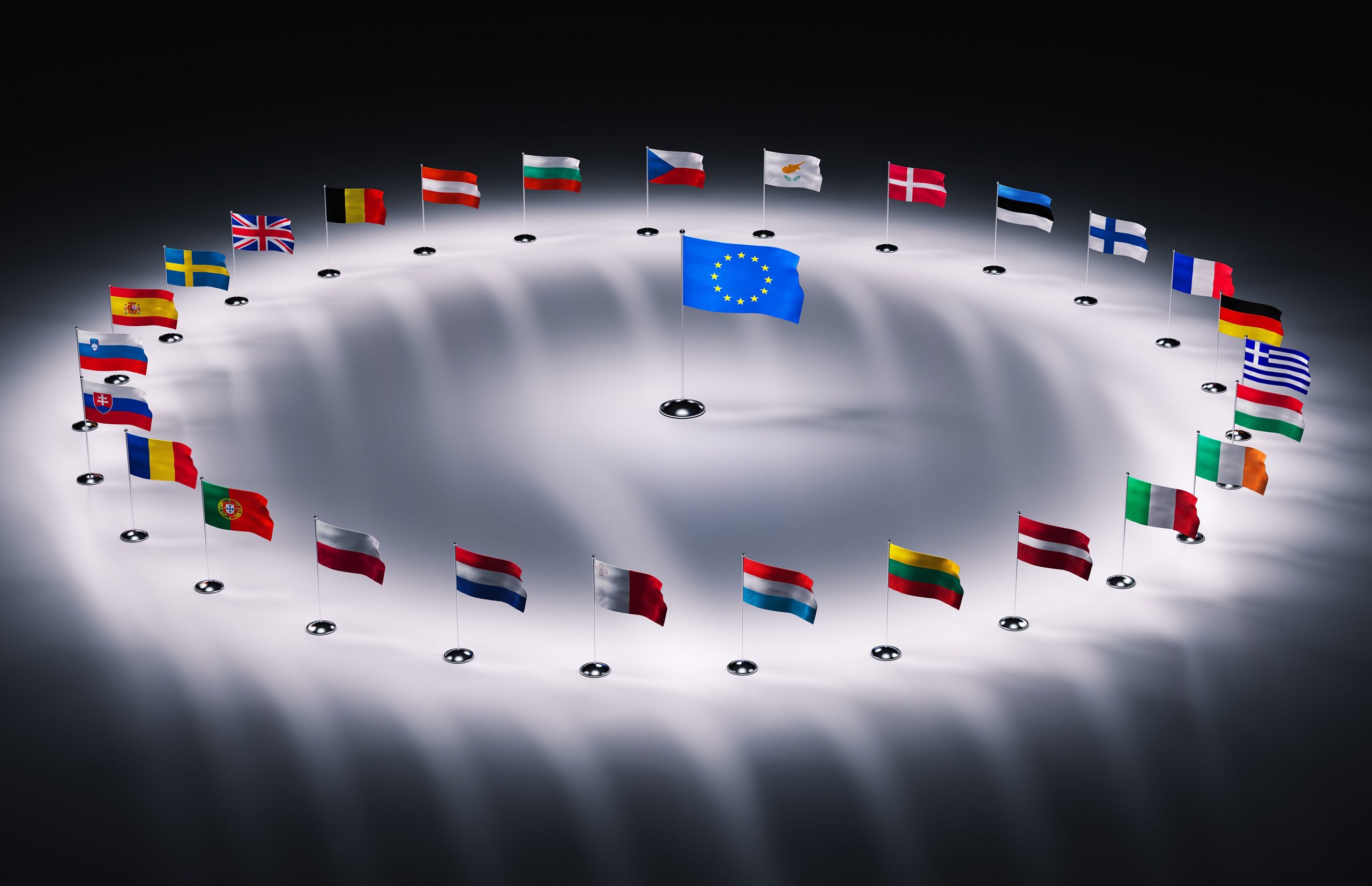
The UK
Despite the latest tax situation, Henk Wolff still considers the UK to be “amazing” and an “absolute king” in sports betting. “You’re up against giants, but what an amazing market that is for sports betting.”
Germany
“I still consider Germany to be an absolute beast in this field,” says Wolff. “If you look at the GDP of that country, if you’re looking at how much money Germany has, it’s an extremely healthy market. The consumers there are open to gambling. They’re a bit more socially accepting towards it.”
Finland
Wolff is also excited about Finland, which regulates from July 2027. He says: “I would pay most attention to Finland, when that market opens up. Some consider it a micro-market, because it only has around five million inhabitants, but they are very socially accepting of gambling. That market is going to be a lot of fun.”
Sam Sadi is more cautious, adding: “We’ll have to see what happens in Finland, how that channelisation works.”
Ireland
Charles Lee sees potential in the Irish market, which has undergone significant regulatory changes this year – accepting licenses throughout the year as part of a phased rollout of regulation. He says: “Ireland’s quite interesting. Culturally, they’re more open to it. It’s just more ingrained in society.
“For Cheltenham festival this year, they put on extra flights. They all come over. It’s part of their game, and it’s part of their culture. In my view, they’re all the more interesting for it.
“[Their regulation] is something that will evolve, but they’ve got the benefit of looking at different regulatory impacts from other places and coming up with a pretty sensible one that fits their society.”
Sweden
Despite initially scaring off operators with its high tax rates, Lee believes there could now be opportunity in Sweden, with the tax rate at 22% since July 2024. He says: “Having been one of the highest when they first introduced regulation, it’s now one of the lowest. I’d expect to see quite a few license applications.
“I haven’t been tracking it, but I think now that looks one of the most attractive markets, as everyone else has upped their tax. But then you’ve got to get around giving only one bonus to a player rather than ongoing bonusing, so it’s different.”
Further afield
For Sadi, the traditional markets of Western Europe are not where the focus should be. He laments: “The fact I’m struggling to tell you where in Europe you could look for opportunities is the answer itself.”
However, the chief executive has turned his gaze to other parts of the world. “There are growth opportunities in Eastern Europe,” he explains. “But beyond ex-Soviet republics like Georgia and Azerbaijan, the Middle East is starting to regulate.
“Africa is one of our expected future strengths. We are very strong on the media side, so you will see Nigeria, South Africa and various other countries grow much faster than any country in Europe.
“LatAm is tough. It’s just transitioning into regulated but it’s probably too late to enter for most.
“The big expectation is what will happen in Asia? In Southeast Asia? In Japan? These are huge markets. Southeast Asia would be bigger than the US if it’s regulated.”
So what does growth actually look like?
Despite the complications discussed, Lee takes an optimistic outlook on the future of the sports betting industry in Europe. Asked about key factors to thrive in the current landscape, he mentions personalisation. “We’re always looking at what our players want. We ask for feedback. More operators are trying to understand the player. The margins are tighter now, so that’s where you can make a big difference.
“The market’s mobile first. You’ve got to be trying to sell something different to the market to make an impact. A lot of operators look the same and operate on the same platforms. Players are more savvy now.
“You need enough content to compete, but not too much that it’s messy. In the UK and Ireland, you’re looking at your top five or six sports, expanding them and making them an unbelievably good experience for players.
“Give players a fun experience, and they’ll want to come back. You’re not milking them for cash. Entertainment for us is the key. We’re trying to be the most entertaining gambling product there is.”
A kind of superpower
Sadi is proud of LiveScore’s relatively unique acquisition channel through their scores and news app. By providing a genuine non-betting service to sports fans, there is always the possibility of fresh acquisition, or lapsed players returning to the fold.
He says the operator is in a better position with this model as it reduces acquisition costs. “Because of the strength of the ecosystem which we can continue to invest in and increase our retention rates.”
I just want things to stabilise. If this is the environment we operate in, stop now. If it's not, tell us so we can plan whether we can continue to operate or not. Constant changes to regulation and taxation are the biggest negative
— Sam Sadi, CEO of LiveScore Group
“I imagine a regular churn curve on a sportsbook is probably the same as ours on LiveScore Bet, but that LiveScore Bet churned user will still be a LiveScore user. They’ve probably been a LiveScore user for a decade.
“As long as LiveScore delivers them the best product experience, which we have every means to do, then we always have a chance to improve what we do on LiveScore Bet and get ourselves a second chance through just delivering value to that user.
“That’s a bit unlimited if you think about starting to offer fantasy football or prediction games. And we are now delivering live video highlights of all top leagues in the world through our partnership with X, that’s now going global.”
Stopping the chaos
Ultimately, regulatory stability is crucial for betting to grow, according to Sadi. “Predictability is very important for us,” he insists. “If I’m investing capital, the UK [previously] offered [stability] even though it was already one of the most highly regulated countries in the world.
“You’d rather have a stable, predictable environment where you know you can plan long term, forecast your returns and keep investors expecting a credible plan.”
He calls for further stability: “If this is the environment we operate in, stop now. If it’s not, [regulators need to] tell us so we can plan whether we can continue to operate or not. Constant changes to regulation and taxation are the biggest negative [in this industry].”
Despite this, Lee remains bullish and thinks there remains scope for success. “All of that noise is going to create opportunities for operators like us,” he explains. “We want to take advantage of it. While you get the initial shock of, ‘Hang on, they’ve just done what to our tax rates?’ The next day, you start to plan out, ‘OK, what does that look like? How can we make this work?’
“And actually, the future? The future looks pretty good. Your margin for error is gone, so you’ve just got to be laser-focused to achieve those things.
“It’s setting aside the wheat from the chaff, right? We’re going to find out who’s actually good and who’s not. That might scare some people, but it’s probably a positive overall, because the best products, the best operators, they’ll win out.”
As Wolff puts it: “If you’re capable of adapting, and if you’re flexible, then you will thrive.”

James Swann-Phillips
James moved into the gambling industry in 2020 after several years in the sports media working for the likes of Sky Sports, the Daily Mail & Metro.
In partnership with
iGB