
Where sportsbook revenue quietly disappears

Every sportsbook operator knows the feeling when traffic is growing, major events are bringing players in, uptime looks great, and the business seems to be moving in the right direction. But then you look at the revenue numbers, and the growth you expected is smaller than the growth you see in traffic.
In our experience at GR8_TECH, sportsbook revenue often disappears in small moments throughout the player journey. A rejected bet here, a missing market there, a player who leaves the betslip after three odds changes, a slower interface. Each moment seems minor, but across thousands of players and hundreds of events, the impact adds up.
Look at the bet that almost happened
Picture a player watching a football match in the final minutes. They spot an opportunity, choose their selection, enter a stake, and press ‘bet’. The odds change, the bet gets rejected, and by the time they try again, the moment has passed.
“The goal is more turnover accepted safely, measured against the margin it generates”
Some rejections are essential for risk management. Others arise from technical delays, price confirmation issues, or rules that need adjustment. Operators must separate the two.
I’d start with three numbers: total attempted stake, rejected stake by reason, and the percentage of rejected bets successfully placed on retry. Then I’d break them down by sport, market, device, and live versus prematch.
If a particular live market has unusually high technical rejections, that’s a priority for engineering and trading to investigate together. The goal is more turnover accepted safely, measured against the margin it generates.
The missing market has a cost
Here’s another situation operators should recognise. A customer opens a football event, starts building a combination, and finds that one of the selections they want is missing. They look around, lose interest, and leave.
This case is trickier because the player never submitted a bet. The transaction report has very little to show for it.
At GR8_TECH, we’re investing in broader Bet Builder coverage, cash-out capabilities, and market depth. These are revenue-related priorities because they influence what customers can actually do inside a sportsbook.
For operators, I’d compare event-page traffic with bet placement and look for markets with strong interest but limited availability. Cash-out deserves its own look: who sees the offer, who takes it, and what they do next.
Operators should prioritise features based on player demand in each market. A football-focused brand in one region and a cricket-focused brand in another need different answers.
Speed is part of the revenue equation
We talk a lot about sportsbook uptime, and rightly so. But a platform can be available throughout a match while the player experience still feels painfully slow.
Live betting makes this especially clear. Players move between events, check prices, and make decisions quickly. They expect the sportsbook to keep up.
“A fast page gets the player to the opportunity sooner; a well-designed page helps them act on it”
This thinking is behind the overhauled GREAT_SPORTSBOOK front end. It’s built for speed on mobile and during peak live events, and its widget-based architecture gives operators more control over how events, markets, and betting content appear.

I care about speed because it answers a real player need. Operators should see how page responsiveness affects betslip engagement, completed bets, and revenue per session, especially on mobile and during peak live events.
Speed and relevant content work together. A fast page gets the player to the opportunity sooner; a well-designed page helps them act on it.
Traffic only matters if it converts
Across our partners’ businesses, traffic grew by around 58–60% season-on-season during August to October, while the share of external traffic increased from 6% to 24%. The next question for me would be about what traffic delivers.
Two acquisition channels can bring similar visitor numbers and produce very different results. One attracts players who place bets and return throughout the week. Another attracts people who browse a major event and leave.
I’d want to see first-bet conversion and repeat betting by acquisition source. That tells you which channels bring bettors and which bring visitors.
Of course, more accepted bets are only part of the equation. What the sportsbook earns from those bets matters just as much. Pricing quality, odds-update speed, risk settings, and cash-out configurations all influence profitability.
I’d regularly compare expected and realised hold across sports, markets, and brands, then investigate persistent gaps with the trading team. This is also why we’re modernising our trading tools at GR8_TECH. Better tools mean faster decisions and more consistent execution. In the end, operators need to connect trading performance with product decisions and commercial outcomes.
Turn small fixes into growth
For GR8_TECH, our approach is to make revenue leakage a regular topic of conversation among the commercial, product, trading and engineering teams. Start with the three biggest opportunities. Estimate their value, assign ownership, make the improvements and measure the results. One week, the priority may be reducing technical bet rejections. The next, it may be improving conversion on high-traffic event pages.
I believe some of the strongest growth opportunities are already sitting inside a sportsbook’s existing traffic and customer activity. The operators who understand exactly where betting intent turns into revenue, and where it slips away, will be in a much stronger position to capture that value.
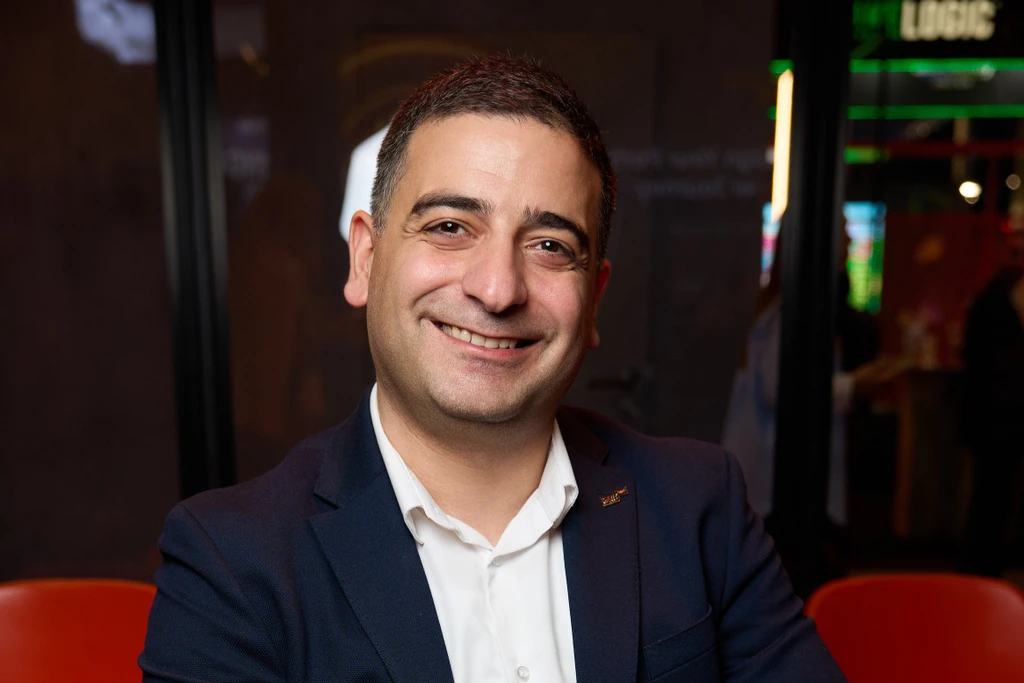
Sergey Ghazaryan, chief revenue officer, GR8_TECH