
Bulgarian parliament moves to strengthen advertising ban
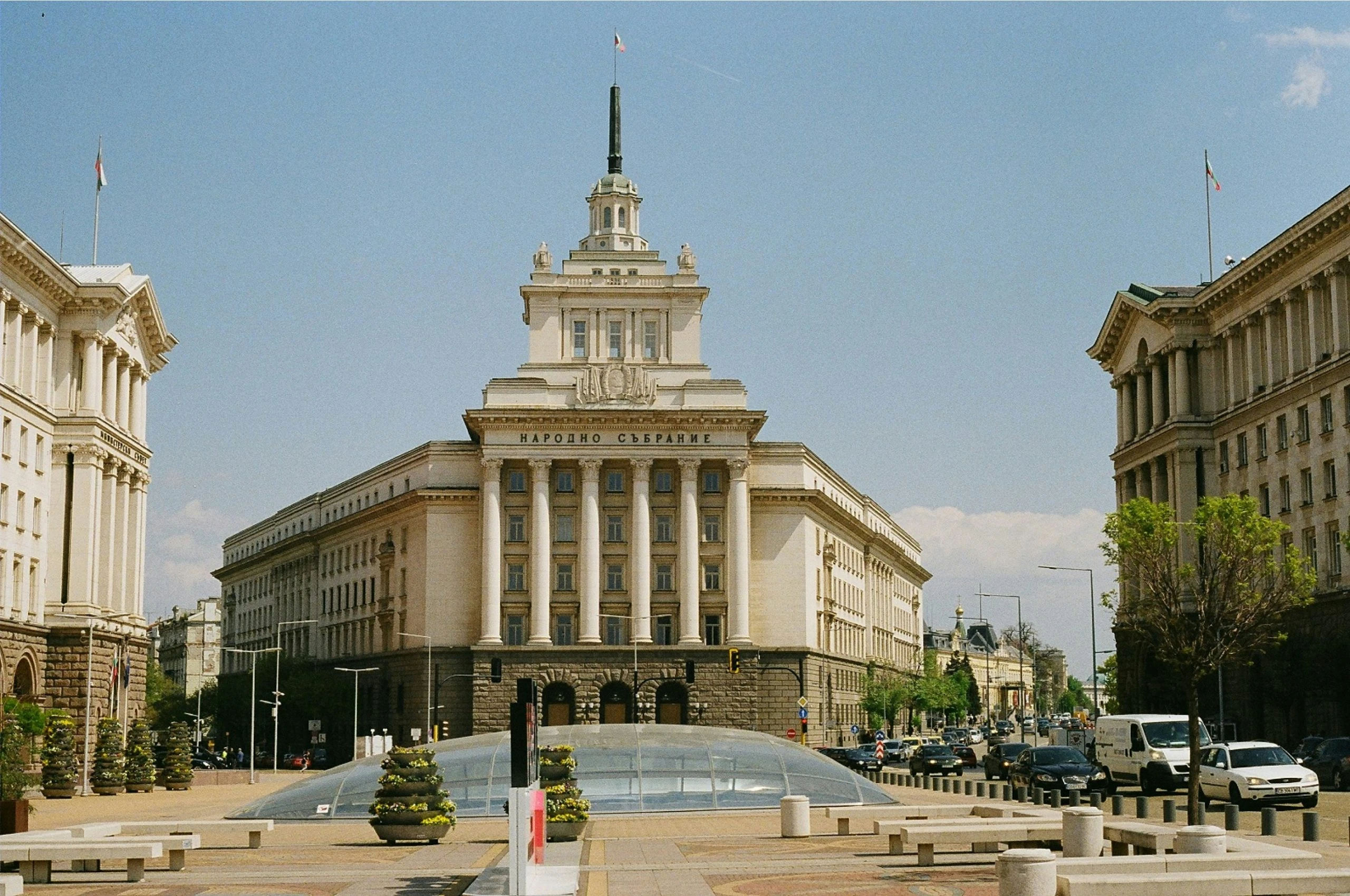
Three bills proposing to outlaw almost all forms of gambling advertising unanimously passed a first vote in Bulgarian parliament on Wednesday.
A bill drafted by the government received 193 votes, while bills by opposition parties Democratic Bulgaria and We Continue the Change received 187 and 183 votes respectively.
According to Bulgarian parliamentary rules, if bills on the same subject all pass the first reading, a new consolidated bill must be drawn up within 14 days. Lawmakers have arranged to meet on 23 November for the first discussions on combining the bills. The new bill will then be put to a second reading.
Each of the bills aims to bolster the widespread advertising ban that Bulgaria introduced in 2024, which legislators say has been unsuccessful.
Democratic Bulgaria’s Bozhidar Bozhanovsaid the original ban on TV, print and online advertising had been “poorly drafted, and as a consequence, is not functioning”.
He added: “We are now proposing specific legal provisions to ensure it becomes effective.”
“No loopholes”
The legislation drafted by the government now posits a total ban on the marketing of gambling products, brands and logos, regardless of format or placement. It widens the online restrictions to include affiliates and removes the exception for advertising on billboards set out in the 2024 ban.
According to the government, the remaining carve-outs would be for operators’ own websites, apps and premises, as well as sports sponsorships and support for culture, education and health. On brick-and-mortar venues, illuminated panels and displays with moving or changing content would be prohibited.
The two opposition bills also envision sweeping bans on direct and indirect advertising. Venko Sabrutev, who proposed the legislation for We Continue the Change, emphasised that his plans would include product placements and promotions, including free bets and bonuses.
It would also hike penalties almost sixfold, he said, as many operators currently prefer to pay the fines and keep advertising.
Bozhanov, who has described gambling advertising as a “tumour on society”, urged MPs to think carefully about the wording of the final bill.
“Between the first and second readings, we will have one task: to ensure there are no loopholes in the final texts,” he wrote in an online post.
Hikes in licensing fees
The tightening of the advertising ban comes as part of a larger set of measures to crack down on the gambling industry and boost state revenues.
These include significant revisions to tax and licensing conditions for operators.
Under the proposed rules, online betting and gaming brands would need to pay €400,000 up-front to enter the market. The variable part of the licence feewould rise to 21% of gross gaming revenue (GGR) in 2027 and 22% in 2028, subject to a €100,000 monthly minimum.
Currently, online operators pay a 20% tax on GGR. Under the government bill, operators will have the option to redirect the additional percentage points of tax towards non-profit sports sponsorships and donations instead.
Permanent establishment
In a key change for international operators, the law also states that online gambling companies would in future need permanent establishment to operate in Bulgaria.
“This creates an additional mechanism for tracking financial flows, helping to detect discrepancies between the declared activity, the amount of bets, the paid-out winnings, the income and expenses, and the corporate tax due,” the government said in a statement.
The bill also floats a potential fee for payment providers processing gambling payments.
Land-based operators are also facing hikes in fees. From 2027, the government wants to levy charges of €600 per machine, €13,000 per table and €3,000 per unit of other gaming equipment per quarter. This would then be replaced by a one-off licence fee and an ongoing 20% GGR tax from 2028, subject to equipment-based minimums.
The bill would also require casinos and slot halls to connect their gaming systems remotely to Bulgaria’s National Revenue Agency, allowing it to monitor gaming activity.
Affiliates left in limbo
For affiliates, the sudden course-correction comes just three months after the government introduced an affiliate-specific licensing scheme.
Rossen Yordanov, the founder of bookmaker-ratings.bg and multiple other affiliate sites in Bulgaria, was one of the first to apply for a licence back in August. Now he is unsure where his business will stand when the new legislation is finalised.
“A couple of days after we got the licence, this (new bill) went out,” he told iGB. “I just feel like nothing is final until it is final.”
Yordanov believes the new bill could effectively tighten the rules on billboard and TV advertising. However, he thinks it will be “impossible” to enforce the online restrictions.
“You are basically banned from putting the name and the logo of a gambling operator on a website, which is absolutely impossible to enforce,” he said. “They’re not even effective at enforcing the banning of the illegal operators – most mirror sites are live for more than a month.”
Glimmer of hope
In one potential glimmer of hope, the Ministry of Finance – which drafted the government bill – has suggested it is open to a carve-out for affiliates. Yordanov describes this as a “very positive thing”, though it is unclear whether this will make it into the final draft.
If the restrictions remain as tough as they currently are, Yordanov predicts that it could further energise the black market.
“It will hurt whoever is trying to be legitimate and make it much easier, and more necessary even, to work in an illegitimate way,” he said.
Operators “should review deals”
While the parties are largely aligned on toughening the ban, some sticking points and grey areas remain.
Speaking for opposition party Revival, Tsoncho Ganev criticised the exception for sports sponsorships, claiming that logos on t-shirts and stadiums could still “reach millions”.
The Budget and Finance Committee has also suggested that the working group must limit gambling advertising as far as possible “without opening the door to illegal gambling”. It is unclear if these channelisation aims will result in any softening of the rules in the final text.
With the second reading likely to take place towards the end of November or in early December, one expert has advised operators to start preparing immediately.
“The draft aims to raise Bulgaria’s budget revenue from gambling, and also to curb gambling addiction with a ban on all advertising,” said Dmitri Mihhailov, General Partner at Prifinance, a law firm specialising in gambling licences. “However, in my view a total ban leaves little room for business models which are reliant on some kind of promotion or advertising.
“For this reason, we advise affiliates and operators to look at their revenue-share and promotion deals in Bulgaria now, rather than waiting until after the plenary vote.”