Poland in focus: Tax woes weigh heavily on an otherwise exciting market
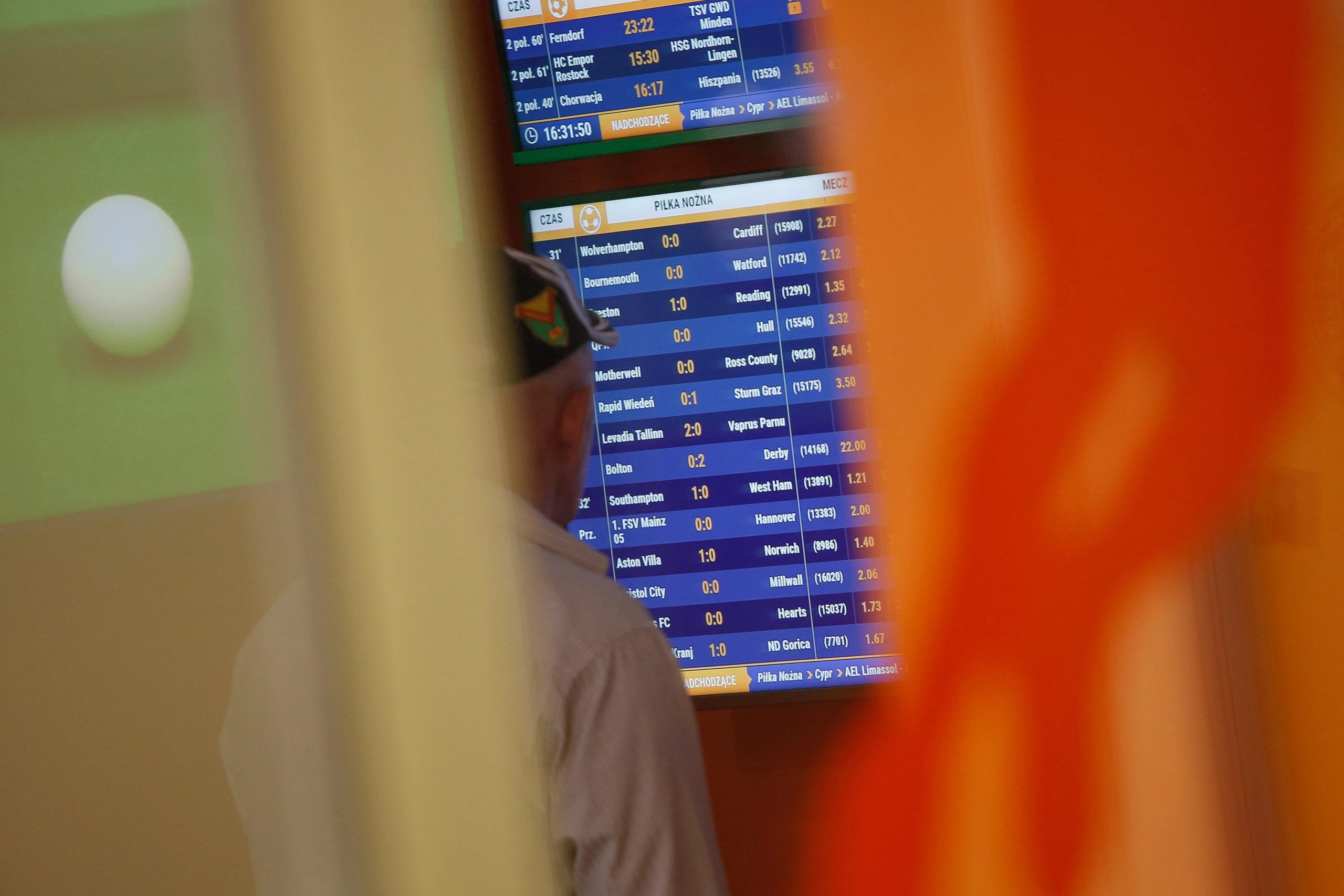
Europe’s gambling industry has in recent years been awash with anxiety over tax rises, Britain and the Netherlands acting as cautionary tales for just how quickly the economics of a market can be turned on their head.
One European country that is no stranger to a heavy tax burden, however, is Poland. The Central European nation has had 17 years to come to terms with perhaps the continent’s toughest tax regime.
Managing the tax burden is a defining issue in a market that is otherwise seen as exciting, leaving operators in an uncomfortable position where the short-term going is tough but the long-term prospects in one of Europe’s fastest-growing economies are too appealing to ignore.
Poland’s heavy tax burden
Regulatory regimes for gambling are rarely straightforward, often stemming from unhappy compromises between political pressure and operational realities. But even by European standards, Poland’s structure is unique.
The country’s main corpus of gambling legislation was passed in 2009 on the tails of a major political scandal that scarred public perception of the industry. So-called ‘Blackjack-gate’ saw several senior politicians in Prime Minister Donald Tusk’s then-government resign over leaked recordings that indicated corrupt dealings with industry lobbyists to avoid gambling tax hikes.
The 2009 Gambling Act introduced a punishing 12% turnover tax on sports betting for private operators, and a 50% GGR-based tax on casino. In addition to operator taxes, players are also subject to a 10% winnings tax, collected at source by operators.
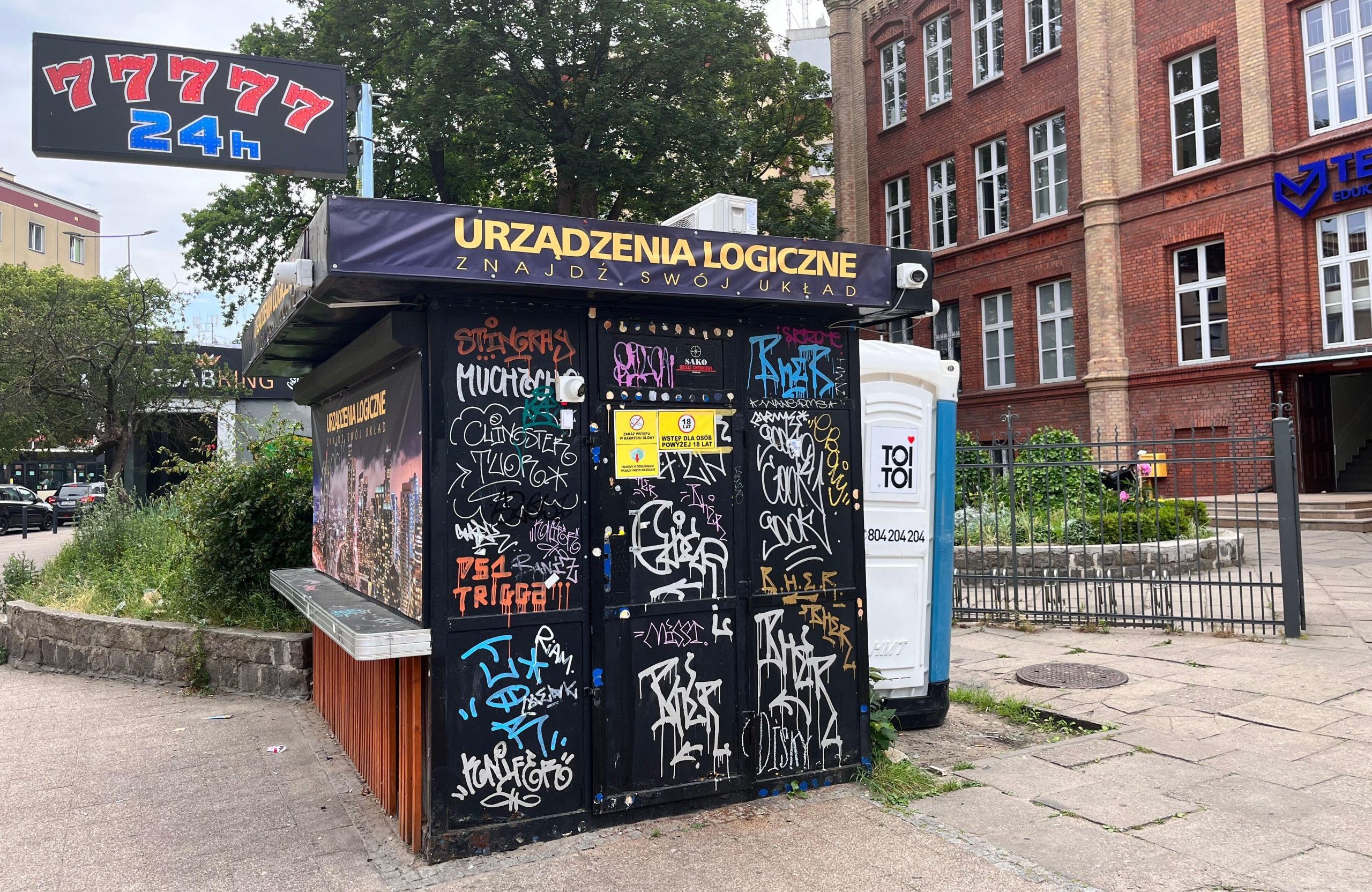
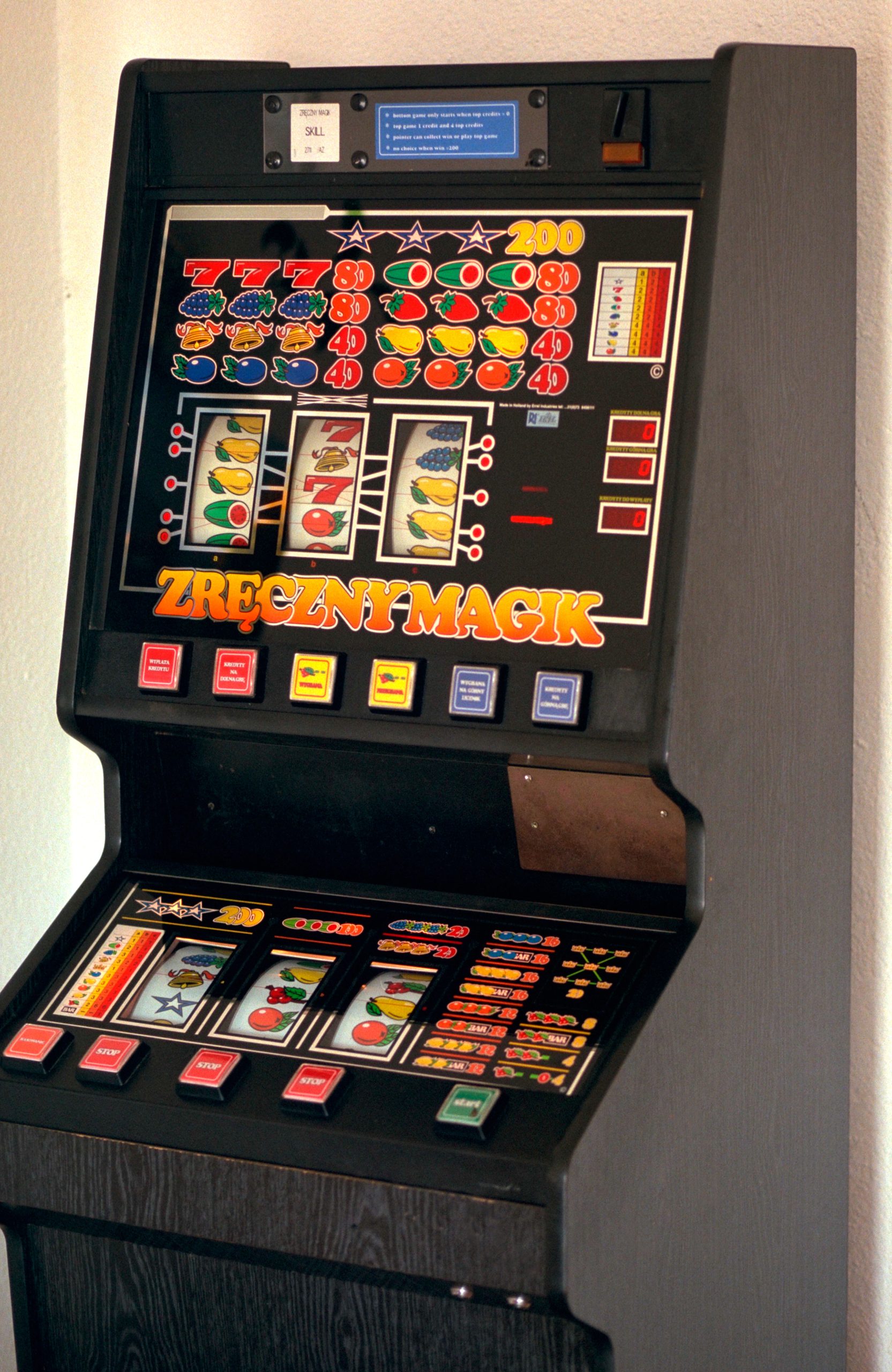
Land-based casinos operate under license but since major reform in 2017, state-owned monopoly Totalizator Sportowy has had exclusivity over online casino, as well as land-based slot machines outside of casinos. Online sports betting, meanwhile, is open to private operators under a licensing system. The 2017 reforms also introduced powers to force PSPs to block payment services on a list of illegal gambling domains, though the effectiveness of enforcement remains debated.
Overturn turnover?
Two main lines of argument emerge from licensed sports betting operators active in the Polish market: the taxes are high, and they’re distortive.
“Turnover tax is aggressively anti-customer and always will be,” argues Myke Foster, group head of gaming at Fortuna Entertainment Group, one of Poland’s leading sports betting operators.
“It prevents us offering as fun and as engaging of a product as we’d like to. I think it’s the same for all operators in that market. Something like a turnover tax really impacts customers in a way that we don’t want it to. We want customers to feel the barrier to entry is as low as possible.”
Turnover tax is aggressively anti-customer and always will be
— Myke Foster, group head of gaming, Fortuna Entertainment Group
Players already see and feel the 10% tax on their winnings, but Foster tells iGB he doesn’t think players really understand the impact the turnover tax has on the options available to them. The inherent unpredictability turnover taxes produce means operators are incentivised to pursue a much higher margin – meaning the competitiveness of the product is significantly worse than it could be.
This is borne out in market data. H2 Gambling Capital figures show total sports betting GGR in Poland hit €1.62 billion in 2026 on a projected gross turnover of €5.07 billion. This would imply a margin of about 32% — significantly above industry averages in other markets, as operators attempt to offset the 12% lost to turnover tax and the uncertainty that comes with calculating tax before winnings are decided.
“The GGR margin is very high as the first 12% of turnover goes as tax – so there has to be a high margin to cover that, which makes the product less competitive against illegal operators and generally reduces demand,” explains Ed Birkin, managing director at H2 Gambling Capital.
Hermann Pamminger, secretary general of the European Casino Association, told iGB at the World Gaming Leaders’ Summit that it’s “almost impossible” to manage the tax burden in Poland without heavily compromising the online experience available to the consumer.
“It’s the same reason why in Germany no land-based casinos pick up an online gaming licence – because if you have a 5% turnover tax, nobody is interested in doing that,” Pamminger says. Poland’s turnover tax is more than double Germany’s.
Polish market at a glance
- Europe's joint-highest sports betting tax, roughly equivalent to France (based on estimated equivalent GGR rate)
- Total projected market GGR of €4.36 billion in 2026, with €1.62 billion derived from sports betting
- Online sports betting channelisation estimates sit around 78-88%, though online casino channelisation much lower at 59%
- State-owned online casino monopoly Totalizator Sportowy reportedly generated $21 billion in revenues in 2025
There has been political discussion domestically in the past about moving to a GGR-based tax for sports betting. In a prominent opinion paper in 2021, Polish economist and former finance minister Konrad Raczkowski argued Poland should replace its 12% turnover tax (which he estimates equates to about 55-65% of GGR) with a GGR-based rate of around 20-25%, which would bring it closer in line with the European average.
However, a 20% GGR rate would lead to a significant reduction in tax revenue – almost half based on 2026 turnover figures, assuming no changes to the market.
The optimal rate is going to lead to a reduction in tax generation, but tax should never be the primary motive of regulatory policy
— Ed Birkin, managing director, H2 Gambling Capital
“A shift from 12% turnover tax to 20% of GGR would indeed lead to a big fall in tax revenue,” Birkin notes. “This would be partially offset by market growth as operators would increase the payout or lower the GGR margin, and you’d get more recycling of funds, so turnover would go up substantially. But the overall tax take would decrease based on the current market structure.”
However, Raczkowski in his opinion paper argues the move would significantly improve channelisation, encouraging operators to move to the legal sector, improve product competitiveness and thus lead to long-term growth.
Even with a lower tax take, Birkin believes Poland should move to a GGR or NGR model, arguing turnover taxes are distortive to the market. “You need to balance onshore channelisation with tax generation. This means the optimal rate is going to lead to a reduction in tax generation, but tax should never be the primary motive of regulatory policy.”
Growth comes anyway, black and white
Complicating the argument for tax reform is that Poland’s market is growing despite the strong tax headwinds.
Total online and land-based market GGR is projected by H2 Gambling Capital to reach $4.96 billion in 2026, following several consecutive years of double-digit growth.
For policymakers, this offers ammunition for their argument that reform isn’t necessary if growth is happening anyway – especially at a time when many liberalised European markets are themselves struggling with channelisation.
But could the market be growing quicker, and with higher channelisation, with a GGR-based tax system? Offshore operators reported Poland as being one of the leading central and eastern European markets for a number of years, according to H2, and a 2024 report by the Warsaw Enterprise Institute estimated that 83% of Polish players had accounts with illegal online casino operators.
Channelisation estimates for sports betting in Poland appear moderate. H2 Gambling Capital places total online channelisation at 75.1%, with online sports betting estimates varying somewhere between 78% and 88%. However, local estimates place online casino channelisation much lower at around 59%.
While betting channelisation may be reasonable in comparison to European neighbours, Poland’s unregulated sector still doubled in size between 2017 and 2025, according to Zdzisław Kostrubała, VP of leading Polish bookmaker STS, in a speech at the European Economic Congress last year.
Given the size of Poland’s gambling sector, this represents a significant potential windfall for the state were it able to capitalise.
“We’re seeing a lot of taxation and legislative change across Europe at the moment,” Foster adds. “There are some markets where taxation works very effectively, and there are some markets where we just haven’t quite settled on what works best yet.
“I really hope that regulators across Poland, CEE and the rest of the world, to be honest, see that there is a rising threat of grey and black-market bookmakers which are actively flouting rules and regulations to the detriment of the customer, to the detriment of the market, to the detriment of the tax dollars that are created as a result of it.”
Liberalisation on the horizon?
Even without tax reform, liberalisation of online casino in Poland would change the economics of the market substantially.
But the influence of Totalizator Sportowy, which now contributes $1.29 billion in annual revenues to the state, runs deep in Poland. The state-owned company goes all the way back to 1955, founded in the wake of World War II in part to rebuild the country’s ruined sports infrastructure after the war.
Radosław Kietliński, a board advisor for Totalizator Sportowy, indicated in a speech at the European Economic Congress event earlier this year that likelihood of liberalisation is low. He argued the prolificacy of unregulated operators everywhere, including in liberalised markets, undermined the narrative that liberalising casino in Poland would move the needle.
“Whether we have a monopoly in Poland or not will not effect the black market at all. They will operate as long as they receive money from customers, so the best way to fight the unregulated market is to limit payments,” Kietlinksi told the conference.
Public support appears to be on the monopoly’s side. A 2025 study on Poles’ attitudes to gambling conducted for the Adam Smith Research Centre found 50% of citizens supported the maintenance of the state monopoly, while only 16% were against it. The study was commissioned by Totalizator Sportowy, according to local Polish news outlets.
Poles' gambling attitudes
A 2025 study for the Adam Smith Research Centre, conducted by Ariadna Research and presented at the European Economic Congress 2026, surveyed Poles’ opinions on the following questions around gambling in Poland.
Totalizator Sportowy might not be keen for online casino liberalisation, but the market is certainly agitating for it. “I really think that one of the biggest reasons in Poland that unregulated operators have an advantage is the state monopoly in gaming,” Fortuna Entertainment Group’s Foster says.
“Customers want [online casino], and the problem we have with markets like Poland, where there is a state monopoly, is that you’re not going to trick the customers that these things don’t exist. They know the grey market exists and casinos exist, they know they can play with them, they see them on TikTok and Instagram and wherever else, and they don’t really care that it’s unregulated because that doesn’t mean anything to them.
“Stopping brands like Fortuna, SuperBet, STS, whoever it might be from operating casino products means that you’re actually incentivising [customers] to look elsewhere.”
Foster says he isn’t sure how likely liberalisation is, but he’s hopeful the regulator is looking into it as an opportunity to decrease the unregulated market in Poland. “If I were the regulator, it would be one of the most sensible decisions I could make to [permit] known big brands that exist in the sportsbook market, who want to do things by the book.”
It’s politics, stupid
The barriers to both online casino and tax reform ultimately lie at the feet of politicians. Poland’s upcoming 2027 parliamentary elections, then, could act as an inflection point.
However, neither of Poland’s major political parties – ruling centre-right Civic Platform or right-wing opposition party Law & Justice – are seen as particularly favourable to industry interests. It was under the Law & Justice party that online casino was brought under a government monopoly. Civic Platform, for its part, approved legislation to increase the player winnings tax from 10% to 15%, though the rise was later vetoed by current President Karol Nawrocki in 2025 and did not take effect.
It’s absolutely the right decision for the state to say ‘look, this is too big for the state to control'
— Myke Foster, group head of gaming, Fortuna Entertainment Group
The highest chance of reform lies with the hard-right Confederation party, which is ideologically against state monopolies and high taxes. Marek Płota, managing partner at Polish law firm RM Legal, told iGB in February that Confederation was the only party with liberalisation on its election agenda. Unless they draw in more of the vote, “meaningful legislative change is unlikely,” he told iGB.
The issue of gambling reform is also simply not far up Poland’s list of priorities. A Polish political analyst told iGB that gambling reform was not on the political agenda at the moment as the country grapples with the Russia-Ukraine war, defence threats and other more pressing national issues.
Could Finland drive momentum for online casino liberalisation?
There is hope in some quarters that Finland, which is preparing for the liberalisation of its monopoly-run online gaming market next year, will act as a catalyst should its market launch be seen as a success.
Foster says he is hopeful that a successful launch in Finland will build momentum domestically in Poland for the idea that state monopolies are no longer the best way to control online gambling.
“I really hope that Finland acts as a positive example. There are a couple of others across Europe as well who are considering it or going for it, and I think it would result in a more consolidated push.”
However, there’s key differences from Finland, where the monopoly itself was an advocate for liberalisation and politicians are already publicly speculating about selling off the government’s stake in it.
The mood runs more cautious in Poland, not least because it was current Prime Minister Donald Tusk and his party that were in power during the infamous Blackjack-gate scandal. 17 years later, ghosts live on that may make his government weary of appearing too close to industry interests.
Still, as the black market grows, so too will pressure for reform. Foster is insistent that loosening the state’s restrictions on Poland’s gambling market is the way forward for the country.
“You should accept the fact that these businesses want to generate business and want to generate tax and want to invest in your country. It’s absolutely the right decision for the state to say ‘look, this is too big for the state to control’.”