The real impact of Brazil’s ‘surreal’ gambling ban
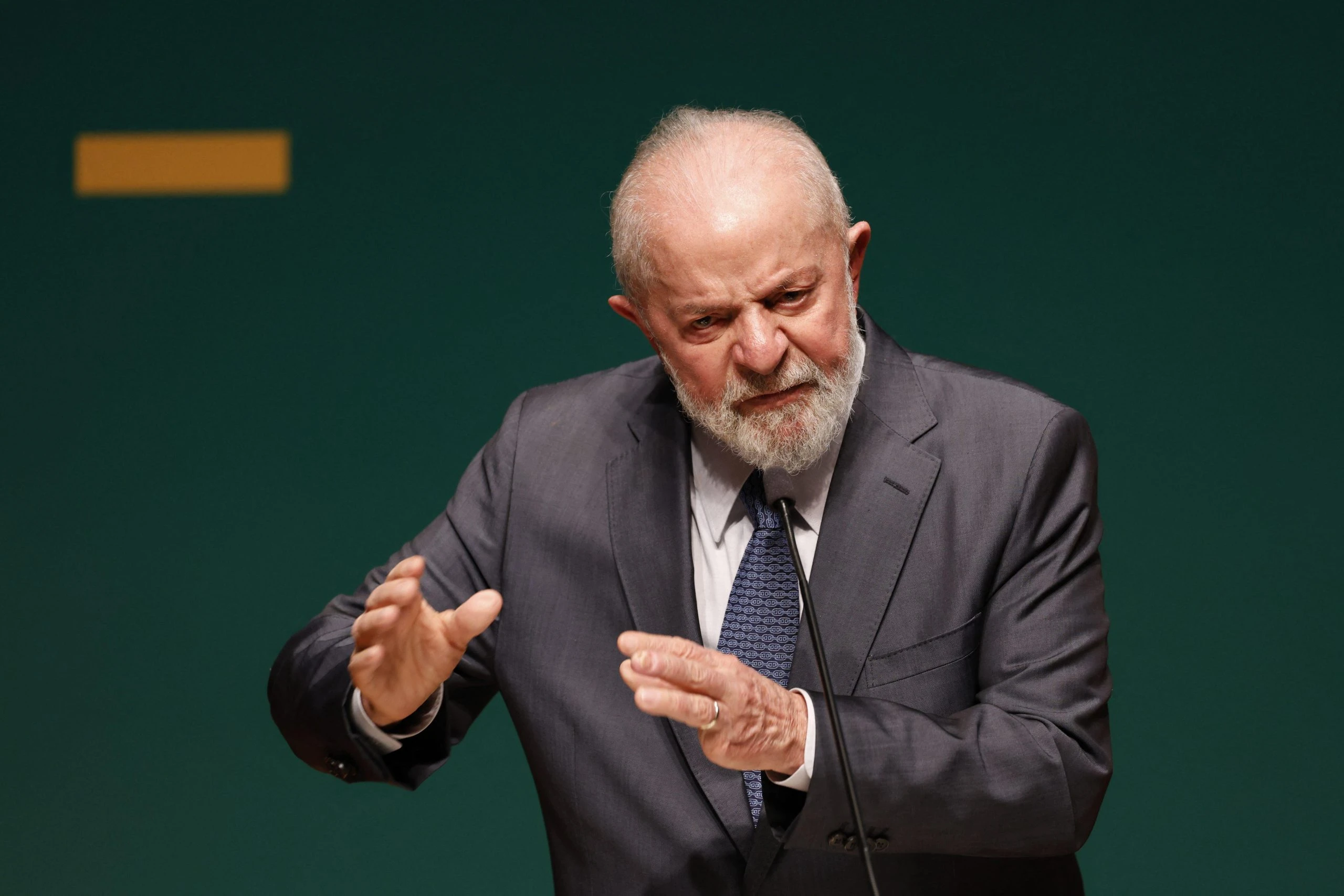
The initial shock of President Lula’s online gambling ban in Brazil has subsided somewhat. However, it is clear that his earthquake of a decision is still providing plenty of aftershocks across the nation’s gambling sector, with some reports stating that more than 3,500 people have lost their jobs in Brazil as a direct result of the ban.
Some of the world’s largest gambling operators and suppliers have described the impact losing one of their most promising new markets, but what about those who rely almost entirely on the existence of Brazil’s regulated market?
It might be easy to suggest that they simply pivot and look to expand into a new market, but when significant investment has been made and thousands of local Brazilian jobs are at risk, it is far easier said than done.

Take payment provider Pay4Fun, which earns 95% of its revenue from the Brazilian iGaming market. CEO Ari Celia tells iGB: “The impact was terrible for us. No one was expecting that this could hit everybody the way it did. It’s our main market. And handling this scenario now, especially with our employees, has been very difficult.”
If you compare that to global technology supplier and platform provider Kambi, the difference in impact is immediately obvious.
A spokesperson for Kambi explains: “While Brazil was a low single-digit percentage of Kambi’s revenue and the immediate financial impact is therefore limited, it does potentially remove a market we expected to grow over time.”
Investment left in limbo
For Florianópolis-based games developer Caleta Gaming, the disruption also puts months of preparation into question. The Brazilian supplier had certified 47 games for the market, alongside its systems, and committed resources to technical integrations, regulatory documentation and cloud infrastructure.
“We committed a considerable amount of time and resource from our team to this process,” CEO Fabiola Jaeger tells iGB. “It’s difficult to see much time and effort and money potentially going to waste.”
In addition, this work cannot simply be repurposed elsewhere. “Other markets might help offset part of the impact, but this takes time, and unfortunately, the investments we made in Brazil cannot simply be transferred to another country, another jurisdiction,” she adds.
Surreal. That's the word. That's the only word to describe this situation.
— Ari Celia, CEO, Pay4Fun
Copying and pasting tech from one market to the next never works. It needs to be localised and built for a specific market, with a specific customer base firmly in mind.
The disruption also threatens Caleta’s ambitions for expansion. The company had aimed to be present across all regulated Brazilian operators by the end of 2026. “I don’t think we’re going to achieve this goal anymore,” Jaeger says.
To use Kambi’s response to the ban as a comparison again, the non-existence of Brazil’s regulated online gambling doesn’t deal nearly as significant a blow.
“When the regulatory environment changes unexpectedly, some of that work can be paused or delayed, but much of the underlying investment remains valuable,” explains their spokesperson.
Conversely, Kambi’s worldwide reach means it has the scale and resources to redeploy technology into other markets, a luxury Pay4Fun and other smaller providers simply do not have.
The immediate human impact
Moving away from investments, it is important also to focus on the real-life, human impact this ban has had.
Pay4Fun’s Celia admits his anger and confusion at President Lula’s decision, stating: “The funny thing about this measure from this government is that the current president is from the Workers Party. When they announced the measure, the provisional measure on that Friday, none of his ministers or even the president said one word about the employees, about the people that may lose their jobs. So that was very sad.”
He explains the lack of notice given ahead of the decision has caused further issues, as there has been no opportunity to seek new sources of revenue. Consequently, stress and anxiety within his workforce is not only rife, but completely understandable.
Thankfully for Caleta Gaming, as Jaeger explains, while the games developer is based in and runs many of its operations in Brazil, their investments into other markets have somewhat saved the day for the time being.
“Our clients outside Brazil still account for the majority of our revenues, so we do not intend to make any drastic changes to the company’s structure at this point,” she reveals.

Kambi’s spokesperson explains that, as per Lula’s order, their partners in Brazil have ceased taking bets, and that partners in Brazil are being fully supported through the implementation of any changes that might need to be made in the aftermath.
To contrast Kambi’s ability to take a more measured approach, Celia, who attended SBC Lisbon at the start of October, relates stories of some Brazil-based attendees finding out they had lost their jobs directly as a result of the ban, while they were attending the event in Portugal.
According to Celia, they flew out on the day of the ban but before the announcement and, by the Monday the event started, had been emailed to say they had been sacked.
“They said, ‘I don’t know what to do. Do I stay at the show? Do I look for another job or do I go to the party and have some drinks?’ That was the sad scenario that we saw.”
Not all suppliers can pivot (quickly)
As previously mentioned, development of Pay4Fun’s e-commerce platform started in 2025 and wasn’t completed until July 2026, meaning it was live for just a couple of months before the ban came into place.
If you take into account the staffing and expertise needed for such a project, and then add the need to build a customer base on top of that, you can see how pivoting overnight is simply not an option.
Pay4Fun does have an alternative product to turn to, but generating revenue from it will take time.
“It takes time. You don’t just flip the switch in one day,” Celia says. “We have to hire people because we don’t know much about e-commerce.”
Having the platform ready gives Pay4Fun a starting point, but winning customers in an established, competitive market presents another challenge. “E-commerce in Brazil is huge. There are so many companies. It’s going to be really tricky for us to find a share in that market.”
Pay4Fun’s options are further limited by its refusal to process payments for offshore operators. With no operations outside Brazil and only around 5% of its revenue coming from merchants outside iGaming, the company has little existing business to cushion the disruption.
“We’re not in any other country. And we can’t and we won’t process for offshore operators. That is not a possibility for us,” Celia says.
Caleta Gaming already operates in regulated markets including Colombia, Peru, the Bahamas, South Africa, the Philippines and Malta. However, it does not mean the ban hasn’t caused significant turmoil.
Furthermore, it is not as simple as deciding to enter another market. As Jaeger explains, investment in Brazil cannot be transferred to another market overnight.
“Other markets might help offset part of the impact, but this takes time. And unfortunately, the investments we made in Brazil cannot simply be transferred to another country, another jurisdiction,” she says.
It is important to distinguish between having significant diversification in place before disruption, and having to build diversification as a result of disruption, and under significant time and financial pressure.
Unlike Pay4Fun and to an extent Caleta Gaming, a major supplier like Kambi has been far more capable of taking the impact of the Brazil ban in its stride, because of its significant and stable footing in other markets around the world.
What happens to the players?
Just because the regulated market has been banned, it is untrue to say that online gambling in Brazil has disappeared overnight.
Brazil has a significant unregulated gambling scene. In fact, following Lula’s announcement, hundreds of new illegal sites were created in the 24 hours after the ban.
Jaeger notes: “I believe there are real problems associated with gambling and regulation can and should improve and address them.
“What concerns me is the attempt to solve a problem in a regulated market simply by removing the regulation.”
Celia believes Brazil’s payments infrastructure could help authorities tackle illegal gambling. “Because of Pix, Brazil has a unique position to combat, to fight illegal gambling,” he says.

However, he expects some players to seek alternative routes to continue gambling, whether through Pix, cryptocurrency or other payment methods.
Kambi’s spokesperson adds a different dimension to the fears put forward by Jaeger and Celia, explaining that “regulated environment also enables suspicious betting patterns to be monitored, reported and investigated through clear channels”.
Kambi points to self-exclusion programmes that allow players to restrict their access to gambling, deposit and betting controls that help limit spending, and affordability and risk monitoring to identify potential harm. It argues that regulatory oversight makes operators accountable for implementing these safeguards, providing a framework for addressing problems and enforcing standards.
Can Brazil rebuild investor confidence?
For suppliers operating in Brazil, the resumption of a regulated market is only part of the bigger issue. Another question that needs to be answered is whether or not businesses will have the confidence to invest in the future, given the impact of the ban.
Jaeger explains that Caleta Gaming has invested in certification, integrations and development to meet the extensive requirements of Brazil’s regulated market. She adds that the commitments to these investments were of course made with long-term expansion in mind, expansion that may no longer be possible.
Companies such as Caleta Gaming are now being forced to reassess which projects can continue and where to direct their resources.
“When a country has a regulated market, companies invest to comply with those rules and build long-term operations,” says Jaeger. “So such a radical change in direction creates significant challenges not only for Caleta but for any company that has invested in this market.”
Jaeger’s fears extend far beyond the immediate disruption, as she explains businesses must understand operating rules before making any decisions on further spending. Should operations in Brazil resume, this experience may well influence how suppliers assess future opportunities in Brazil.
Kambi remains prepared to support its partners, but says investment decisions would depend on the framework that emerges.
“If Brazil’s regulated market is allowed to reopen, we would be ready to support our partners, with any longer-term decisions taken together with them based on the framework in place,” the company says.
For Celia and Pay4Fun, uncertainty is far more immediate. Celia admits the business is watching developments in the market and in the Brazilian presidential elections before making any concrete future plans. With a 95% revenue reliance on Brazilian iGaming, any decisions will significantly the future of Pay4Fun and any potential expansion plans.
The three businesses clearly have different levels of exposure, but they all stress the importance of being able to plan for the future. A reopening of the regulated market would allow betting activity to restart, but rebuilding supplier confidence and convincing them to invest is another battle entirely.
Key Takeaways
- Revenue exposure determines resilience: Suppliers with established international operations have more room to absorb regulatory shocks, while businesses dependent on one market face immediate pressure to replace lost income.
- Diversification requires advance investment: Entering new jurisdictions means fresh certification and integration costs, while expanding into sectors such as ecommerce requires customers, specialist expertise and time to establish a competitive position.
- Limited current exposure can disguise lost opportunity: A shutdown may have a modest immediate financial impact while removing anticipated growth and disrupting long-term commercial plans.
- Player protection depends on where gambling moves: Suppliers warn that restricting regulated betting could redirect some players towards illegal operators, making the consequences for oversight and harm prevention a critical part of assessing the policy.
- Predictable rules underpin future investment: Restoring suppliers’ confidence will depend on a regulatory framework they can rely on when committing money, staff and technology to Brazil.